
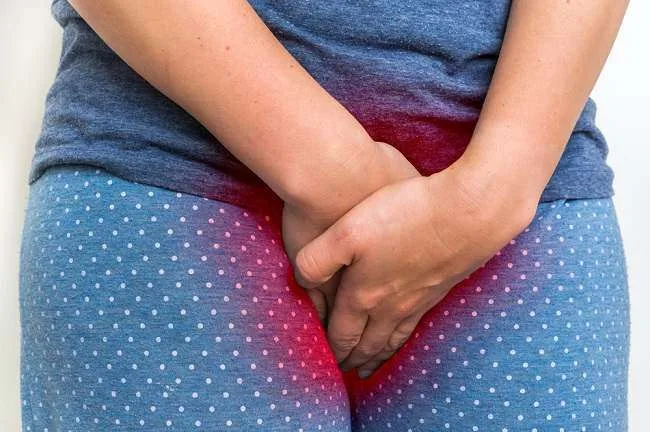
Vulvitis is inflammation of the vulva, the soft folds of skin outside the vagina.
What are the most common risk factors for Vulvitis?
Any woman with certain allergies, sensitivities, infections, or diseases can develop Vulvitis. Girls who have not yet reached puberty and postmenopausal women sometimes develop Vulvitis, possibly because of inadequate levels of estrogen. It may be caused by certain toilet papers, perfumed soaps and shampoos, certain laundry detergents, certain douches and powders, swimming pool water or wearing a wet bathing suit for a long time, certain synthetic undergarments.
What are the symptoms of Vulvitis?
The symptoms may resemble other conditions or medical problems. Consult your physician for diagnosis. The following are the most common symptoms, redness and swelling on the labia and other parts of the vulva.
How is Vulvitis diagnosed?
Diagnosis includes a medical history and physical exam. In addition some diagnostic procedures may include the following: blood tests, urinalysis, and tests for sexually transmitted diseases (STDs), Pap smear.
How to treat Vulvitis?
Specific treatment will be determined based on your age, overall health, and medical history, cause of the disease, type and severity of the symptoms and your tolerance for specific medications.
Scientific Update (October 2026)
This chapter was first published in 2013 as part of the Women’s Health Book, and has been reviewed and updated according to the latest guidelines. Key updates:
- The key step in treatment is avoiding irritants such as perfumed soaps and washes, and using emollients or barrier ointments instead of soap.
- Persistent vulval itching, especially after menopause, needs examination to exclude lichen sclerosus, and a biopsy may be needed if symptoms do not improve.
References: CDC STI Treatment Guidelines 2021, RCOG Green-top Guidelines.
International Guidelines
In line with global standards, Dr. Sabry follows the latest recommendations from the American Society for Reproductive Medicine (ASRM), European Society of Human Reproduction and Embryology (ESHRE), and Royal College of Obstetricians and Gynaecologists (RCOG). Thus, patients receive care that is safe, ethical, and evidence-based.
Our Patient Reviews
Discover what patients say about us on Google Maps, Vezeeta, WhatClinic, PlacidWay, and MyMediTour.
Why Choose Dr. Ashraf Sabry?
Dr. Ashraf Sabry, consultant in obstetrics, gynecology, fertility, and aesthetic gynecology, is recognized among the best OBGYN and fertility specialists in Cairo. With over 20 years of experience, he combines science and compassion to provide world-class care. Book your appointment now through the contact page here or Whatsapp us or call us on +201022224442