Category: Diagnosing Female Infertility

  • Pelvic Ultrasound in Infertility

    Pelvic Ultrasound in Infertility

    Ultrasound uses sound waves to create images of the internal organs on a screen, without radiation. Standard 2D ultrasound gives black-and-white cross-sectional images, while 3D ultrasound builds detailed three-dimensional pictures. It is the most important first-line imaging test in infertility.

    What ultrasound shows

    For the uterus, ultrasound detects polyps, fibroids and adhesions in the cavity, congenital anomalies and the size of the uterus. It also measures the thickness and pattern of the lining (endometrium), which is especially useful during ovulation treatment or when the lining grows poorly.

    For the ovaries, it helps diagnose polycystic ovaries, functional cysts (follicles that have grown larger than normal), other cysts, a blood-filled corpus luteum cyst, and endometriomas (“chocolate cysts”). An antral follicle count early in the cycle estimates ovarian reserve. During ovulation treatment, it tracks the growing follicles: each appears as a dark, round structure in the ovary that grows by about 1.5–2 mm a day. When it disappears or collapses, ovulation has occurred, and a little fluid may be seen behind the uterus.

    Types of pelvic ultrasound

    Transabdominal ultrasound

    The probe is moved over the lower abdomen. A full bladder is needed to obtain clear images. It is used mainly when a vaginal scan is not suitable.

    Transvaginal ultrasound

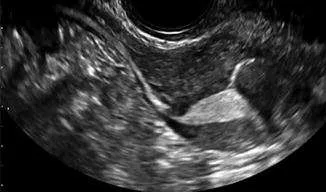
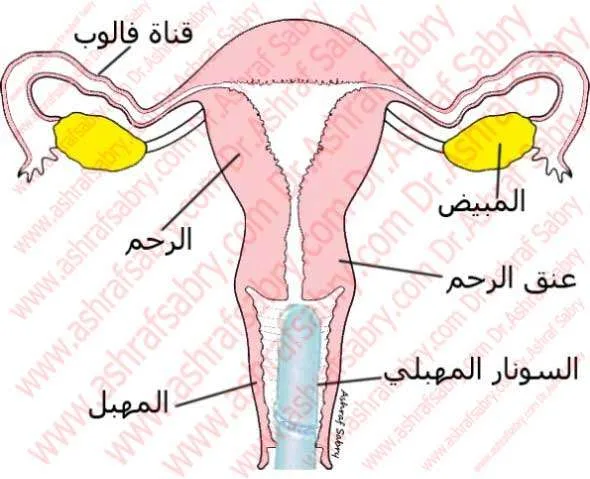
    A slim probe is inserted gently into the vagina. Because it is much closer to the uterus and ovaries, it gives far clearer images and more accurate measurements, and it is the standard method in fertility care. It does not require a full bladder.

    3D ultrasound

    Advanced machines build three-dimensional images, which are particularly accurate for assessing the shape of the uterine cavity and diagnosing congenital anomalies such as a septum.

    Doppler ultrasound

    Doppler measures blood flow in vessels, such as to the uterus, the lining, the ovaries and the follicles. It helps assess fibroids, polyps and ovarian cysts, though its value in predicting treatment success is limited.

    Saline sonography (SIS)

    Sterile saline is introduced into the uterus through a thin catheter during a vaginal scan, outlining the cavity clearly to detect polyps, fibroids and adhesions.

    Transvaginal ultrasound
    Transvaginal ultrasound
    Abdominal ultrasound
    Abdominal ultrasound
    Doppler of blood flow around follicles
    Doppler of blood flow around follicles
    Arcuate uterus on ultrasound
    Arcuate uterus
    Adhesions in the uterine cavity on ultrasound
    Adhesions in the uterine cavity
    Bicornuate uterus on ultrasound
    Bicornuate uterus
    Corpus luteum on ultrasound
    Corpus luteum (the remains of the follicle after ovulation)
    Follicles in the ovary on ultrasound
    Follicles in the ovary
    Uterus didelphys on ultrasound
    Double uterus with two cervices
    Endometrium before ovulation
    The lining before ovulation
    Endometrial polyp on ultrasound
    Polyp in the uterine cavity
    Uterine septum on ultrasound
    Septum in the uterine cavity
    Endometrium after ovulation
    The lining after ovulation
    Stimulated ovary on ultrasound
    The ovary after stimulation
    Unicornuate uterus on ultrasound
    Unicornuate uterus
    Doppler of uterine and endometrial blood flow
    Doppler of blood flow in the uterus and lining

    International Guidelines

    In line with global standards, Dr. Sabry follows the latest recommendations from the American Society for Reproductive Medicine (ASRM), European Society of Human Reproduction and Embryology (ESHRE), and Royal College of Obstetricians and Gynaecologists (RCOG). Thus, patients receive care that is safe, ethical, and evidence-based.

    Our Patient Reviews

    Discover what patients say about us on Google Maps, Vezeeta, and WhatClinic.

    Why Choose Dr. Ashraf Sabry?

    Dr. Ashraf Sabry, consultant in obstetrics, gynecology, fertility, and aesthetic gynecology, is recognized among the best OBGYN and fertility specialists in Cairo. With over 20 years of experience, he combines science and compassion to provide world-class care. Book your appointment through the contact page, WhatsApp, or call +201022224442.
  • Laparoscopy and Hysteroscopy for Infertility

    Laparoscopy and Hysteroscopy for Infertility

    Diagnostic laparoscopy

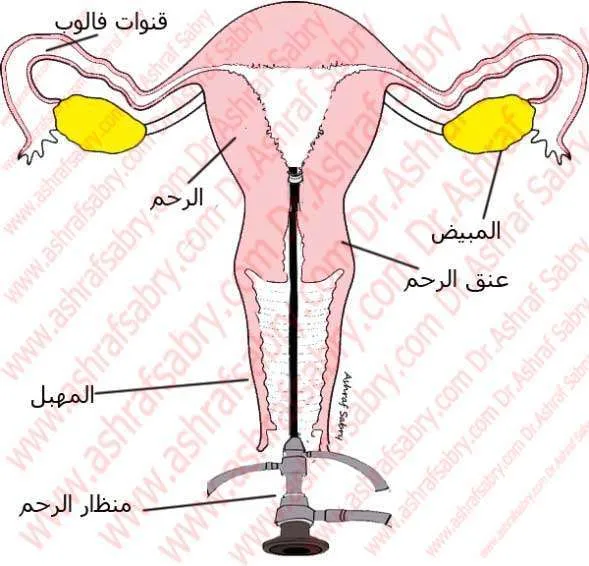
    In laparoscopy, the surgeon passes a thin telescope connected to a camera and screen through a small cut in the abdominal wall to see the internal organs directly.

    What laparoscopy can show and treat

    Laparoscopy gives a direct view of the ovaries, uterus, fallopian tubes and pelvis. It is the most accurate test for endometriosis, pelvic adhesions and the after-effects of pelvic infection or tuberculosis. Many problems can be treated in the same operation using fine instruments passed through additional small cuts: dividing adhesions, removing endometriosis, removing ovarian cysts, or opening blocked tubes. A dye can also be injected through the cervix and watched as it spills from the ends of the tubes to confirm they are open (chromopertubation).

    Laparoscopy is no longer done routinely for every infertile woman. It is advised when symptoms or other tests suggest endometriosis, adhesions or tubal disease, or when surgery would change the treatment plan.

    How it is done

    The procedure is usually scheduled shortly after a period. It is performed in an operating theatre under general anaesthesia. A small cut is made in the navel, carbon dioxide gas is introduced to lift the abdominal wall, and the camera is inserted. Two or three further small cuts in the lower abdomen allow surgical instruments to be used if needed. It is a safe procedure; most women go home the same day, rest at home for two or three days and then return to normal life.

    Possible complications

    Minor effects include temporary bloating, abdominal pain and shoulder-tip pain from residual gas irritating the diaphragm; these usually settle within a few days. Rare complications include injury to the bowel, bladder, other organs or blood vessels. Occasionally laparoscopy cannot be completed because of severe adhesions from previous pelvic infection, a burst appendix or previous surgery.

    Laparoscopy
    Laparoscopy

    Diagnostic hysteroscopy

    Hysteroscopy uses a thin telescope passed through the cervix to look directly inside the uterus, after the cavity is gently expanded with fluid. It is connected to a light source and screen, and allows small operations at the same time. Modern office hysteroscopes are so thin that many diagnostic procedures can be done in the clinic with little or no anaesthesia.

    What hysteroscopy can show and treat

    Hysteroscopy diagnoses and treats problems inside the uterine cavity: endometrial polyps, fibroids bulging into the cavity, adhesions inside the uterus (Asherman syndrome), and congenital abnormalities such as a uterine septum.

    How it is done

    Under general, regional or local anaesthesia (or none for small office scopes), the cervix is gently dilated if needed and the hysteroscope is inserted into the uterus. Fluid is used to expand the cavity, and the cervical canal, the cavity and the openings of the fallopian tubes are inspected. Any procedure is done with instruments passed through channels in the scope. Most women go home the same day and return to normal activity within a day or two.

    Possible complications

    Mild lower abdominal cramps and light spotting are common for a short time. Perforation of the uterus is a rare complication.

    Hysteroscopy
    Hysteroscopy

    International Guidelines

    In line with global standards, Dr. Sabry follows the latest recommendations from the American Society for Reproductive Medicine (ASRM), European Society of Human Reproduction and Embryology (ESHRE), and Royal College of Obstetricians and Gynaecologists (RCOG). Thus, patients receive care that is safe, ethical, and evidence-based.

    Our Patient Reviews

    Discover what patients say about us on Google Maps, Vezeeta, and WhatClinic.

    Why Choose Dr. Ashraf Sabry?

    Dr. Ashraf Sabry, consultant in obstetrics, gynecology, fertility, and aesthetic gynecology, is recognized among the best OBGYN and fertility specialists in Cairo. With over 20 years of experience, he combines science and compassion to provide world-class care. Book your appointment through the contact page, WhatsApp, or call +201022224442.

  • Ovarian Reserve Testing

    Ovarian Reserve Testing

    A baby girl is born with about one to two million egg follicles; around 300,000–400,000 remain at puberty, and the number keeps falling, faster after 35. From that age the chance of pregnancy falls and the risks of miscarriage and chromosomal abnormalities rise, because fewer eggs remain and their quality declines. Because age and ovarian reserve strongly affect fertility and the response to any treatment, ovarian reserve is assessed before treatment is planned.

    AMH (anti-Müllerian hormone)

    AMH is produced by the small follicles in the ovary, so its level reflects the remaining egg supply. It is low with advancing age and high in polycystic ovary syndrome (PCOS). It can be measured on any day of the cycle and is now the most widely used blood test of ovarian reserve. Typical interpretation (laboratories and assays vary slightly):

    AMH (ng/mL)AMH (pmol/L)Interpretation
    Above 3.5Above 25High (may suggest PCOS)
    1.0 – 3.57 – 25Normal
    0.5 – 1.03.5 – 7Low
    Below 0.5Below 3.5Very low

    FSH on day 2–5 of the cycle

    FSH is measured on day 2–5 of the cycle, together with estradiol. A rising FSH indicates that the pituitary is working harder to stimulate a declining ovary. Very low levels suggest reduced pituitary output instead.

    Day 2–5 FSH (mIU/mL)Interpretation
    Below 9Normal
    9 – 11Borderline
    11 – 15Reduced
    15 – 20Markedly reduced
    Above 20Severely reduced

    Antral follicle count (AFC)

    A transvaginal ultrasound early in the cycle counts the small (2–10 mm) antral follicles visible in both ovaries. A higher count indicates a better reserve; fewer than about 5–7 in total suggests a low reserve.

    Ovarian follicles on ultrasound
    Ovarian follicles on ultrasound

    What these tests can and cannot tell you

    AMH and AFC predict how many eggs are likely to respond to IVF stimulation and help choose the right dose. They do not measure egg quality and do not predict natural fertility well; a woman with a low AMH can still conceive naturally, especially when younger. Age remains the strongest predictor of egg quality.


    International Guidelines

    In line with global standards, Dr. Sabry follows the latest recommendations from the American Society for Reproductive Medicine (ASRM), European Society of Human Reproduction and Embryology (ESHRE), and Royal College of Obstetricians and Gynaecologists (RCOG). Thus, patients receive care that is safe, ethical, and evidence-based.

    Our Patient Reviews

    Discover what patients say about us on Google Maps, Vezeeta, and WhatClinic.

    Why Choose Dr. Ashraf Sabry?

    Dr. Ashraf Sabry, consultant in obstetrics, gynecology, fertility, and aesthetic gynecology, is recognized among the best OBGYN and fertility specialists in Cairo. With over 20 years of experience, he combines science and compassion to provide world-class care. Book your appointment through the contact page, WhatsApp, or call +201022224442.

  • Genetic Testing in Female Infertility

    Genetic Testing in Female Infertility

    Genetic testing is not needed for every woman with infertility, but it is recommended in specific situations. The basic test is a karyotype: a blood test that counts and examines the chromosomes.

    Human karyotype (chromosomes)

    When is genetic testing recommended?

    • Suspected Turner syndrome (missing or altered X chromosome), for example with absent periods, short stature or very early ovarian failure.
    • Premature ovarian insufficiency (periods stopping before 40): karyotype and Fragile X (FMR1) premutation testing are recommended.
    • Recurrent miscarriage: karyotype of both partners, ideally after testing the pregnancy tissue, to look for balanced translocations.
    • Severe male factor: the male partner may need karyotype, Y-chromosome microdeletion and cystic fibrosis testing (covered in the male infertility chapters).

    Couples who are carriers of a genetic condition can avoid passing it on through IVF with preimplantation genetic testing (PGT-M or PGT-SR). Wider carrier screening is also available, especially for couples who are related by blood.


    International Guidelines

    In line with global standards, Dr. Sabry follows the latest recommendations from the American Society for Reproductive Medicine (ASRM), European Society of Human Reproduction and Embryology (ESHRE), and Royal College of Obstetricians and Gynaecologists (RCOG). Thus, patients receive care that is safe, ethical, and evidence-based.

    Our Patient Reviews

    Discover what patients say about us on Google Maps, Vezeeta, and WhatClinic.

    Why Choose Dr. Ashraf Sabry?

    Dr. Ashraf Sabry, consultant in obstetrics, gynecology, fertility, and aesthetic gynecology, is recognized among the best OBGYN and fertility specialists in Cairo. With over 20 years of experience, he combines science and compassion to provide world-class care. Book your appointment through the contact page, WhatsApp, or call +201022224442.

  • Endometrial Biopsy in Infertility

    Endometrial Biopsy in Infertility

    At ovulation, the mature egg leaves its follicle and is picked up by the fringes of the fallopian tube. The remaining follicle becomes the corpus luteum, which produces progesterone. Progesterone completes the build-up of the uterine lining (endometrium) and changes its structure so it is ready to receive and embed a fertilized egg. If pregnancy does not occur, estrogen and progesterone levels fall, the lining breaks down and is shed as a period.

    Endometrial biopsy was traditionally used to check the effect of progesterone on the lining. A sample of the endometrium was taken between days 21 and 25 of the cycle, sometimes by dilating the cervix and curettage, and examined under the microscope to see whether it matched the expected appearance for that day (“endometrial dating”).

    Cervical dilator
    Cervical dilator
    Endometrial curettage
    Endometrial curettage

    Is it still used?

    Endometrial dating is no longer recommended for diagnosing infertility, because studies showed it does not distinguish fertile from infertile women. Ovulation is now confirmed more simply with a mid-luteal progesterone blood test and ultrasound. Today, an endometrial sample, usually taken with a thin pipelle in the clinic, is reserved for specific questions such as suspected chronic endometritis or abnormal bleeding.


    International Guidelines

    In line with global standards, Dr. Sabry follows the latest recommendations from the American Society for Reproductive Medicine (ASRM), European Society of Human Reproduction and Embryology (ESHRE), and Royal College of Obstetricians and Gynaecologists (RCOG). Thus, patients receive care that is safe, ethical, and evidence-based.

    Our Patient Reviews

    Discover what patients say about us on Google Maps, Vezeeta, and WhatClinic.

    Why Choose Dr. Ashraf Sabry?

    Dr. Ashraf Sabry, consultant in obstetrics, gynecology, fertility, and aesthetic gynecology, is recognized among the best OBGYN and fertility specialists in Cairo. With over 20 years of experience, he combines science and compassion to provide world-class care. Book your appointment through the contact page, WhatsApp, or call +201022224442.

  • The Post-Coital Test in Infertility

    The Post-Coital Test in Infertility

    The amount and texture of cervical mucus change through the menstrual cycle under the influence of female hormones. Just after a period it is scanty and thick. In the days before ovulation it becomes abundant, clear, thin and stretchy, so it can be drawn between two fingers without breaking. This fertile mucus helps healthy sperm swim through the cervix. After ovulation it becomes scanty and thick again, blocking sperm from entering.

    Once sperm enter the cervical canal, the mucus protects them from the acidity of the vagina and nourishes them while they pass through.

    Struggling to conceive? If natural conception is difficult in your case, IVF and ICSI with Dr. Ashraf Sabry may be the right solution. Learn about the steps, timing and who it suits.

    Too little mucus, or mucus that is too thick, can hinder sperm. It was also thought that some women produce antibodies in the cervix that destroy sperm.

    How the test was done

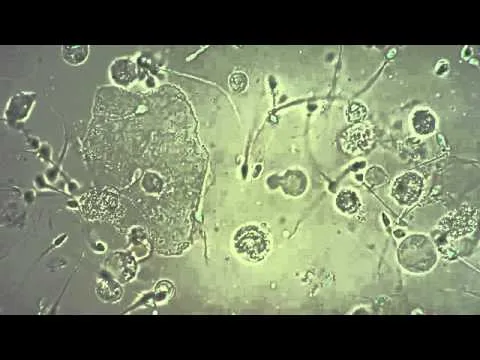
    The post-coital test was timed around ovulation. The couple had intercourse, and the woman attended the clinic a few hours later, without douching, so a sample of cervical mucus could be examined under the microscope. Finding live, normally moving sperm in the mucus was considered a reassuring result.

    Post-coital test
    Post-coital test

    Is the test still used?

    No longer routinely. The test has poor reliability, no agreed standard for a normal result, causes stress for couples, and does not change treatment or improve pregnancy rates. International guidelines, including NICE and ASRM, therefore no longer recommend it. Cervical factors are effectively bypassed by IUI or IVF when needed.


    International Guidelines

    In line with global standards, Dr. Sabry follows the latest recommendations from the American Society for Reproductive Medicine (ASRM), European Society of Human Reproduction and Embryology (ESHRE), and Royal College of Obstetricians and Gynaecologists (RCOG). Thus, patients receive care that is safe, ethical, and evidence-based.

    Our Patient Reviews

    Discover what patients say about us on Google Maps, Vezeeta, and WhatClinic.

    Why Choose Dr. Ashraf Sabry?

    Dr. Ashraf Sabry, consultant in obstetrics, gynecology, fertility, and aesthetic gynecology, is recognized among the best OBGYN and fertility specialists in Cairo. With over 20 years of experience, he combines science and compassion to provide world-class care. Book your appointment through the contact page, WhatsApp, or call +201022224442.
  • HyCoSy: Ultrasound Test of the Uterus and Fallopian Tubes

    HyCoSy: Ultrasound Test of the Uterus and Fallopian Tubes

    Hysterosalpingo-contrast sonography (HyCoSy) checks the uterine cavity and whether the fallopian tubes are open. A thin catheter is passed through the cervix and a special contrast fluid or foam (HyFoSy) is injected while the uterus and tubes are watched on transvaginal ultrasound.

    HyCoSy ultrasound of the uterus
    Uterine assessment

    Its accuracy for checking tubal patency is comparable to a hysterosalpingogram (HSG, the X-ray dye test), with the advantages that it needs no general anaesthetic and involves no X-ray radiation. It is done in the clinic, usually after the period and before ovulation.

    HyCoSy contrast ultrasound of the fallopian tubes
    Contrast ultrasound of the uterus and tubes

    Its main limitation is that it cannot show adhesions in the pelvis or endometriosis. When these are suspected, diagnostic laparoscopy remains the test of choice.


    International Guidelines

    In line with global standards, Dr. Sabry follows the latest recommendations from the American Society for Reproductive Medicine (ASRM), European Society of Human Reproduction and Embryology (ESHRE), and Royal College of Obstetricians and Gynaecologists (RCOG). Thus, patients receive care that is safe, ethical, and evidence-based.

    Our Patient Reviews

    Discover what patients say about us on Google Maps, Vezeeta, and WhatClinic.

    Why Choose Dr. Ashraf Sabry?

    Dr. Ashraf Sabry, consultant in obstetrics, gynecology, fertility, and aesthetic gynecology, is recognized among the best OBGYN and fertility specialists in Cairo. With over 20 years of experience, he combines science and compassion to provide world-class care. Book your appointment through the contact page, WhatsApp, or call +201022224442.