Diagnostic laparoscopy
In laparoscopy, the surgeon passes a thin telescope connected to a camera and screen through a small cut in the abdominal wall to see the internal organs directly.
What laparoscopy can show and treat
Laparoscopy gives a direct view of the ovaries, uterus, fallopian tubes and pelvis. It is the most accurate test for endometriosis, pelvic adhesions and the after-effects of pelvic infection or tuberculosis. Many problems can be treated in the same operation using fine instruments passed through additional small cuts: dividing adhesions, removing endometriosis, removing ovarian cysts, or opening blocked tubes. A dye can also be injected through the cervix and watched as it spills from the ends of the tubes to confirm they are open (chromopertubation).
Laparoscopy is no longer done routinely for every infertile woman. It is advised when symptoms or other tests suggest endometriosis, adhesions or tubal disease, or when surgery would change the treatment plan.
How it is done
The procedure is usually scheduled shortly after a period. It is performed in an operating theatre under general anaesthesia. A small cut is made in the navel, carbon dioxide gas is introduced to lift the abdominal wall, and the camera is inserted. Two or three further small cuts in the lower abdomen allow surgical instruments to be used if needed. It is a safe procedure; most women go home the same day, rest at home for two or three days and then return to normal life.
Possible complications
Minor effects include temporary bloating, abdominal pain and shoulder-tip pain from residual gas irritating the diaphragm; these usually settle within a few days. Rare complications include injury to the bowel, bladder, other organs or blood vessels. Occasionally laparoscopy cannot be completed because of severe adhesions from previous pelvic infection, a burst appendix or previous surgery.

Diagnostic hysteroscopy
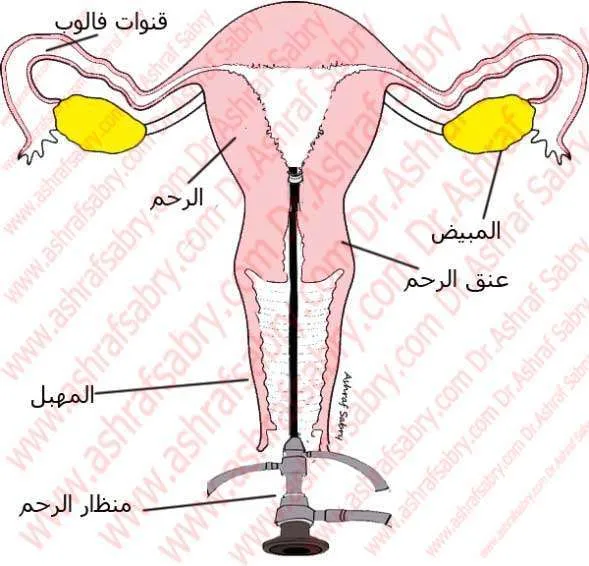
Hysteroscopy uses a thin telescope passed through the cervix to look directly inside the uterus, after the cavity is gently expanded with fluid. It is connected to a light source and screen, and allows small operations at the same time. Modern office hysteroscopes are so thin that many diagnostic procedures can be done in the clinic with little or no anaesthesia.
What hysteroscopy can show and treat
Hysteroscopy diagnoses and treats problems inside the uterine cavity: endometrial polyps, fibroids bulging into the cavity, adhesions inside the uterus (Asherman syndrome), and congenital abnormalities such as a uterine septum.
How it is done
Under general, regional or local anaesthesia (or none for small office scopes), the cervix is gently dilated if needed and the hysteroscope is inserted into the uterus. Fluid is used to expand the cavity, and the cervical canal, the cavity and the openings of the fallopian tubes are inspected. Any procedure is done with instruments passed through channels in the scope. Most women go home the same day and return to normal activity within a day or two.
Possible complications
Mild lower abdominal cramps and light spotting are common for a short time. Perforation of the uterus is a rare complication.

International Guidelines
In line with global standards, Dr. Sabry follows the latest recommendations from the American Society for Reproductive Medicine (ASRM), European Society of Human Reproduction and Embryology (ESHRE), and Royal College of Obstetricians and Gynaecologists (RCOG). Thus, patients receive care that is safe, ethical, and evidence-based.
Our Patient Reviews
Discover what patients say about us on Google Maps, Vezeeta, and WhatClinic.
Why Choose Dr. Ashraf Sabry?
Dr. Ashraf Sabry, consultant in obstetrics, gynecology, fertility, and aesthetic gynecology, is recognized among the best OBGYN and fertility specialists in Cairo. With over 20 years of experience, he combines science and compassion to provide world-class care. Book your appointment through the contact page, WhatsApp, or call +201022224442.