Category: Female Infertility

  • Fallopian Tube and Pelvic Causes of Infertility

    Fallopian Tube and Pelvic Causes of Infertility

    The fallopian tubes are two narrow tubes, each about 10 cm long, running from either side of the uterus and ending in finger-like fringes (fimbriae). When an ovary releases an egg, the fimbriae pick it up and draw it into the tube. The wider outer part of the tube (the ampulla) is where sperm meet and fertilize the egg; the embryo is then carried towards the uterus by rhythmic muscle contractions and by tiny hair-like cilia lining the tube. Tubal problems prevent the egg from being picked up or sperm from reaching it, and increase the risk of ectopic pregnancy. Tubal factors account for about a quarter to a third of female infertility.

    Struggling to conceive? If natural conception is difficult in your case, IVF and ICSI with Dr. Ashraf Sabry may be the right solution. Learn about the steps, timing and who it suits.

    Infection and adhesions of the tubes and pelvis

    The tubes can become infected by organisms spreading up from the vagina, cervix or uterus, most often sexually transmitted infections such as chlamydia and gonorrhoea, or after childbirth, miscarriage or procedures. Infection can also reach them from elsewhere in the pelvis, for example tuberculosis or a burst appendix.

    Infection can destroy the delicate lining of the tubes, which nourishes the embryo and helps move it to the uterus. It can also cause adhesions between the tubes, uterus, ovaries and pelvic walls, which restrict the tubes’ movement or kink and block them. Sometimes the end of the tube becomes completely blocked and fills with fluid, causing it to swell (hydrosalpinx).

    Adhesions can also follow surgery, such as treatment of an ectopic pregnancy, removal of fibroids, or operations on nearby pelvic organs. Endometriosis is another important cause, because bleeding from endometriosis tissue each month is trapped in the pelvis.

    Impaired tubal function

    Even when the tubes are open, damage to the fimbriae can stop them picking up the egg, and damage to the cilia inside can stop the embryo from being moved to the uterus. Both can result from infection or endometriosis.

    Tumours of the tube or ovary

    Tumours of the fallopian tubes or ovaries can also interfere with how the tubes work.

    Narrowed fallopian tube
    Narrowed fallopian tube
    Hydrosalpinx
    Swollen, fluid-filled fallopian tube (hydrosalpinx)
    Adhesions around the fallopian tube
    Adhesions around the fallopian tube

    Hysterosalpingography (HSG): the tubal dye test

    The doctor injects a special X-ray dye through the cervix. In a normal test, the dye fills the uterine cavity, passes through both tubes and spills freely into the pelvis. HyCoSy, a similar test using ultrasound instead of X-rays, is an alternative.

    What HSG shows

    HSG shows the shape of the uterine cavity, revealing polyps, fibroids, adhesions and congenital anomalies, and shows whether the tubes are open or blocked or swollen (hydrosalpinx). It can also suggest pelvic adhesions if the dye collects in pockets instead of spreading freely. In some women, flushing the tubes with oil-based dye during HSG modestly increases the chance of pregnancy in the following months.

    How it is done

    The test is done shortly after the period ends and before ovulation, once pregnancy, active infection and allergy to iodine contrast have been excluded; antibiotics are sometimes given. With the woman lying on the X-ray table, a thin catheter is passed through the cervix and the dye injected while images are taken. It takes only a few minutes.

    Side effects

    Cramping pain for a short time is common; taking a painkiller beforehand helps. Pelvic infection and allergic reactions to the dye are rare.

    How HSG works
    How the HSG dye test works
    Normal HSG
    Normal HSG
    HSG showing arcuate uterus
    Arcuate uterus on HSG
    HSG showing uterine adhesions
    Adhesions in the uterine cavity on HSG
    HSG showing uterine fibroid
    Fibroid inside the uterus on HSG
    HSG showing bicornuate uterus
    Bicornuate uterus on HSG
    HSG showing hydrosalpinx
    Hydrosalpinx on HSG
    HSG showing unicornuate uterus
    Unicornuate uterus on HSG

    Treatment of tubal problems

    Infection

    Prompt treatment of genital infections with the appropriate antibiotics, ideally including the partner, prevents chronic pelvic inflammation, tubal blockage and damage to the fimbriae.

    Adhesions

    Adhesions around the tubes and ovaries can be divided by laparoscopy.

    Tubal surgery or IVF?

    For most women with significantly damaged or blocked tubes, IVF now offers better pregnancy rates than tubal repair, without the increased risk of ectopic pregnancy that follows surgery. Surgery may still be worthwhile in selected cases:

    • Blockage close to the uterus: can sometimes be opened with a fine catheter passed through the cervix under X-ray or hysteroscopic guidance (tubal cannulation).
    • Mild damage at the outer end: the opening can be re-formed (salpingostomy) or adhesions around the fimbriae freed.
    • Reversal of tubal ligation: the blocked section is removed and the remaining ends rejoined microsurgically. Results are best in younger women with clips or rings rather than extensive removal of tube, and with enough tube remaining.
    • Hydrosalpinx before IVF: a swollen, fluid-filled tube lowers IVF success, because the fluid flows back into the uterus. Removing the tube (salpingectomy) or blocking it close to the uterus before IVF roughly doubles the chance of pregnancy.
    Laparoscopic division of adhesions around the tubes
    Dividing adhesions around the tubes
    Tubal recanalization
    Opening a blocked tube (recanalization)
    Removal of the damaged section of a fallopian tube
    Removing the damaged section of a tube
    Reconnection of the fallopian tube
    Reconnecting the remaining parts of the tube

    International Guidelines

    In line with global standards, Dr. Sabry follows the latest recommendations from the American Society for Reproductive Medicine (ASRM), European Society of Human Reproduction and Embryology (ESHRE), and Royal College of Obstetricians and Gynaecologists (RCOG). Thus, patients receive care that is safe, ethical, and evidence-based.

    Our Patient Reviews

    Discover what patients say about us on Google Maps, Vezeeta, and WhatClinic.

    Why Choose Dr. Ashraf Sabry?

    Dr. Ashraf Sabry, consultant in obstetrics, gynecology, fertility, and aesthetic gynecology, is recognized among the best OBGYN and fertility specialists in Cairo. With over 20 years of experience, he combines science and compassion to provide world-class care. Book your appointment through the contact page, WhatsApp, or call +201022224442.
  • Ovarian Causes of Female Infertility and Ovulation Tests

    Ovarian Causes of Female Infertility and Ovulation Tests

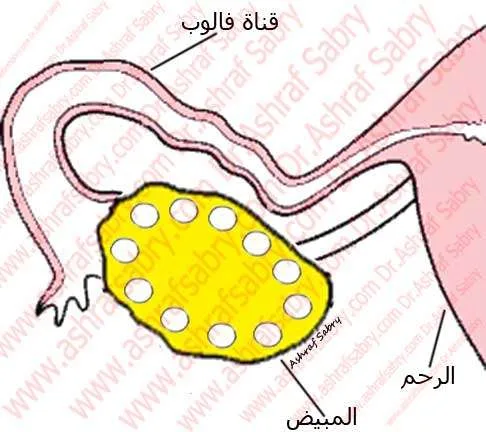
    The two ovaries, one on each side of the pelvis near the end of each fallopian tube, are the source of eggs and female hormones, and are therefore central to fertility. Ovarian problems can prevent the release of a healthy egg ready for fertilization. Ovulation disorders account for about a quarter of female infertility.

    Polycystic ovary syndrome (PCOS)

    PCOS is the most common cause of absent ovulation. It involves raised LH, male hormones and insulin, and is diagnosed when at least two of the following are present: irregular or absent ovulation, signs of excess male hormones, and polycystic ovaries on ultrasound (or a raised AMH). See our full chapter on polycystic ovary syndrome.

    Premature ovarian insufficiency

    A woman is born with about one to two million egg follicles, around 300,000–400,000 remain at puberty, and the number falls steadily. In premature ovarian insufficiency (POI), ovarian function is lost before age 40, causing irregular or absent periods and infertility. Estrogen falls and FSH rises. Causes include genetic conditions (such as Turner syndrome and Fragile X premutation), autoimmune disease, pelvic surgery and chemotherapy or radiotherapy, though often no cause is found. Hormone replacement therapy is recommended until the natural age of menopause to protect the bones and heart. Some women still ovulate occasionally, so early assessment and prompt treatment give the best chance of conceiving.

    Egg abnormalities

    Some eggs have structural abnormalities, such as a thickened outer shell (zona pellucida), which can hinder fertilization or later hatching of the embryo. These problems are often only revealed during IVF, and ICSI bypasses most fertilization problems.

    Luteal phase deficiency

    After ovulation, the remaining follicle becomes the corpus luteum, which produces progesterone to prepare the uterine lining for implantation. It was once thought that insufficient progesterone was a common cause of infertility. Current evidence shows there is no reliable test to diagnose it, and ASRM no longer considers it an independent cause of infertility; progesterone support is, however, routinely given after IVF embryo transfer.

    Functional cysts

    Sometimes a follicle fails to release its egg at ovulation, because of hormonal imbalance, and continues to grow into a functional cyst. This can disturb ovarian function for a while. Most functional cysts resolve on their own within one to three cycles.

    Luteinized unruptured follicle

    In this condition, the follicle matures but the egg stays trapped inside instead of being released.

    Resistant ovary syndrome

    Rarely, the ovaries contain follicles but do not respond to FSH and LH from the pituitary or to fertility drugs, for reasons that are not fully understood.

    Ovarian cyst
    Ovarian cyst

    Tests to confirm ovulation

    Regular periods

    Regular cycles between 21 and 35 days, varying by only a few days from month to month, usually indicate ovulation, but are not proof on their own.

    Symptoms of ovulation

    Some women feel one-sided lower abdominal pain at mid-cycle around ovulation, sometimes with slight spotting. This is supportive but not proof of ovulation.

    Ultrasound follicle tracking

    Transvaginal ultrasound shows the follicle as a dark, round structure in the ovary that grows by about 1.5–2 mm a day. When it disappears or collapses, ovulation has occurred, and a small amount of fluid released from the follicle may be seen behind the uterus.

    Dominant follicle on ultrasound
    A large follicle on ultrasound

    Mid-luteal progesterone

    A blood test about seven days before the expected period (day 21 of a 28-day cycle) is the standard test: a raised progesterone level confirms that ovulation has occurred, because progesterone is produced by the corpus luteum after the egg is released.

    Ovulation predictor kits

    Urine test strips detect the LH surge 24–36 hours before ovulation, helping couples time intercourse.

    Basal body temperature

    Temperature taken every morning before getting up rises slightly after ovulation under the effect of progesterone and stays higher until the period. This method is no longer recommended for diagnosis, because it is unreliable, it only shows ovulation after it has happened, and temperature can rise for other reasons such as infections.

    Basal body temperature chart
    Basal body temperature chart

    Cervical mucus

    Cervical mucus changes through the cycle under hormonal influence: scanty and thick after a period, then abundant, clear, slippery and stretchy in the days before ovulation, and thick again afterwards. Women can learn to recognize their fertile mucus to time intercourse. The cervix also rises, softens and opens slightly near ovulation. Microscopic examination of dried mucus (the “fern” pattern) was used in the past but is no longer needed.

    Stretchy cervical mucus
    Cervical mucus
    Ferning of cervical mucus under the microscope
    Cervical mucus under the microscope

    Treatment of ovarian causes

    • Absent or irregular ovulation: ovulation induction, with letrozole first-line in PCOS, and gonadotropin injections when needed. See ovarian stimulation and ovulation induction.
    • Premature ovarian insufficiency: hormone replacement therapy to protect long-term health, with prompt fertility assessment if pregnancy is desired. Women at risk of early ovarian failure can consider egg freezing while ovarian reserve remains.
    • Functional cysts: most resolve on their own, so they are usually monitored with repeat ultrasound. Surgery is reserved for cysts that persist, are large, cause symptoms or look complex, and should preserve as much healthy ovarian tissue as possible.
    • Luteal support: progesterone is given after IVF transfer and in some stimulated cycles.
    Medical treatment
    Medical treatment

    International Guidelines

    In line with global standards, Dr. Sabry follows the latest recommendations from the American Society for Reproductive Medicine (ASRM), European Society of Human Reproduction and Embryology (ESHRE), and Royal College of Obstetricians and Gynaecologists (RCOG). Thus, patients receive care that is safe, ethical, and evidence-based.

    Our Patient Reviews

    Discover what patients say about us on Google Maps, Vezeeta, and WhatClinic.

    Why Choose Dr. Ashraf Sabry?

    Dr. Ashraf Sabry, consultant in obstetrics, gynecology, fertility, and aesthetic gynecology, is recognized among the best OBGYN and fertility specialists in Cairo. With over 20 years of experience, he combines science and compassion to provide world-class care. Book your appointment through the contact page, WhatsApp, or call +201022224442.

  • Uterine Causes of Female Infertility

    Uterine Causes of Female Infertility

    The uterus is a hollow, pear-shaped muscular organ in the lower abdomen, above the vagina. It provides the passage for sperm to reach the egg and later receives the fertilized egg so it can implant. It is lined by the endometrium, which thickens each month in response to female hormones; if pregnancy does not occur, the extra lining is shed as the period. Uterine problems can block sperm from reaching the egg or prevent the embryo from implanting.

    Position of the uterus

    In about 80% of women the uterus tilts forward (anteverted) and in about 20% it tilts backwards (retroverted). Both are normal and do not usually affect fertility, unless a retroverted uterus is fixed in place by adhesions from endometriosis or pelvic infection; in that case the underlying condition is what affects fertility.

    Size of the uterus

    A markedly underdeveloped (hypoplastic) uterus, usually due to congenital or hormonal causes, can be associated with infertility or pregnancy loss.

    Congenital uterine anomalies

    Some women are born with differences in the shape of the uterus, such as a septum dividing the cavity (septate uterus), a heart-shaped uterus (bicornuate), a single-horned uterus (unicornuate), sometimes with a small extra horn, a double uterus (didelphys), or a slight indentation at the top of the cavity (arcuate uterus, usually a normal variant). A septum is the anomaly most linked to miscarriage and reduced fertility. These anomalies are best diagnosed with 3D ultrasound, MRI or hysteroscopy.

    Adhesions inside the uterus (Asherman syndrome)

    Scar tissue inside the uterine cavity can narrow or block it, making it difficult for an embryo to implant, and often causes very light or absent periods. It usually follows vigorous curettage after miscarriage or childbirth, or infection of the lining.

    Thin endometrium

    A lining that stays thin (generally under 7 mm at mid-cycle) is associated with lower implantation rates. It can follow damage to the basal layer of the lining from previous curettage or infection, or result from hormonal problems.

    Infection and inflammation of the lining

    Infection of the endometrium, for example by tuberculosis, or chronic endometritis, can impair implantation, and severe or untreated infection can cause scarring and adhesions as the body heals.

    Anteverted uterus
    Uterus tilted forward (anteverted)
    Retroverted uterus
    Uterus tilted backward (retroverted)
    Normal uterus
    Normal uterus
    Hypoplastic uterus
    Small (hypoplastic) uterus
    Uterine septum
    Uterine septum
    Unicornuate uterus
    Single-horned (unicornuate) uterus
    Bicornuate uterus
    Bicornuate uterus
    Uterus didelphys
    Double uterus and cervix (didelphys)
    Arcuate uterus
    Arcuate uterus
    Asherman syndrome
    Adhesions in the uterine cavity (Asherman syndrome)

    Treatment of uterine problems

    Thin endometrium

    The lining may be improved with estrogen treatment, particularly in frozen embryo transfer cycles, and by treating any underlying cause such as adhesions or chronic endometritis. Other treatments are being studied, but evidence for them is still limited.

    Infection and chronic endometritis

    Infections are treated with the appropriate antibiotics once the organism is identified. Prompt treatment matters, to prevent scarring and adhesions. Genital tuberculosis needs a full course of anti-TB treatment.

    Uterine septum

    A septum is removed by hysteroscopy, a minor procedure that restores a normal cavity, particularly recommended for women with miscarriage or infertility.

    Rudimentary horn

    A small extra horn with a cavity is removed, usually by laparoscopy, because a pregnancy implanting in it can rupture.

    Asherman syndrome

    Adhesions are divided under direct vision using hysteroscopy, followed by estrogen treatment to help the lining regrow and, often, a follow-up hysteroscopy to check the result.

    Hysteroscopic division of uterine adhesions
    Hysteroscopic division of adhesions in the uterine cavity
    Hysteroscopic removal of a uterine septum
    Hysteroscopic removal of a uterine septum

    International Guidelines

    In line with global standards, Dr. Sabry follows the latest recommendations from the American Society for Reproductive Medicine (ASRM), European Society of Human Reproduction and Embryology (ESHRE), and Royal College of Obstetricians and Gynaecologists (RCOG). Thus, patients receive care that is safe, ethical, and evidence-based.

    Our Patient Reviews

    Discover what patients say about us on Google Maps, Vezeeta, and WhatClinic.

    Why Choose Dr. Ashraf Sabry?

    Dr. Ashraf Sabry, consultant in obstetrics, gynecology, fertility, and aesthetic gynecology, is recognized among the best OBGYN and fertility specialists in Cairo. With over 20 years of experience, he combines science and compassion to provide world-class care. Book your appointment through the contact page, WhatsApp, or call +201022224442.

  • Polycystic Ovary Syndrome (PCOS)

    Polycystic Ovary Syndrome (PCOS)

    Polycystic ovary syndrome (PCOS) is a common hormonal disorder, affecting about 1 in 8 women of reproductive age, with effects throughout the body. It involves raised levels of LH from the pituitary, male hormones (androgens) and insulin.

    Diagnosis

    PCOS is diagnosed using the Rotterdam criteria, which require at least two of the following three features, after other causes have been excluded:

    • Irregular or absent ovulation, shown by infrequent or irregular periods.
    • Signs of excess androgens, either clinically (excess hair, acne) or on blood tests.
    • Polycystic ovaries on ultrasound (20 or more small follicles in one ovary, or an enlarged ovary), or a raised AMH level.

    Symptoms and associated problems

    • Irregular or infrequent periods.
    • Absent ovulation, causing difficulty conceiving.
    • Raised male hormones, driven by high insulin and LH, causing excess facial and body hair, acne and oily skin.
    • A raised LH-to-FSH ratio, and sometimes mildly raised prolactin.
    • Insulin resistance, so insulin levels rise.
    • Weight gain, especially around the waist (though many women with PCOS are not overweight).
    • Many small follicles around the edge of the ovary, like a “string of pearls”, often with enlarged ovaries.
    • A higher long-term risk of type 2 diabetes, high blood pressure, high cholesterol and heart disease.
    • A higher risk of endometrial cancer, from long-term estrogen exposure without regular periods.
    • A higher risk of pregnancy complications such as gestational diabetes.
    Polycystic ovary
    Polycystic ovary

    Tests

    Transvaginal ultrasound

    Ultrasound shows many small follicles (2–9 mm) arranged around the edge of the ovary, often with an enlarged ovarian volume. It is not needed for diagnosis in adolescents, because many young women have this appearance normally.

    Ultrasound showing polycystic ovary
    Ultrasound showing a polycystic ovary

    Hormone tests

    Testosterone is often raised, LH may be high relative to FSH, and AMH is usually higher than normal. Prolactin, thyroid function and, where appropriate, 17-OH progesterone are checked to exclude other causes. Screening for diabetes and cholesterol is also recommended.

    Treatment

    Weight and lifestyle

    For women who are overweight, losing even 5–10% of body weight can restore ovulation and increase pregnancy rates. Very thin women with absent periods should restore a healthy weight.

    Ovulation induction

    Letrozole is now the first-line medication for women with PCOS trying to conceive, with higher ovulation and live birth rates than clomiphene. Clomiphene, sometimes with metformin, is an alternative. Women who do not respond can use low-dose gonadotropin injections with careful ultrasound monitoring.

    Metformin

    Metformin improves the body’s response to insulin. It can help regulate cycles and is useful combined with clomiphene in women who do not respond to it, but on its own it is less effective than letrozole for achieving pregnancy.

    Excess hair and acne

    Excess hair can be managed with laser or other hair removal methods, and, in women not trying to conceive, with the combined pill and anti-androgen medication.

    Laparoscopic ovarian drilling

    Ovarian drilling, using heat or laser to make small punctures in the ovary’s surface, is a second-line option for women who do not respond to ovulation tablets. It must be done by an experienced surgeon, because excessive treatment can damage the ovarian reserve.

    Women not trying to conceive

    The combined pill, or progesterone every few months to bring on a period, protects the uterine lining from the risk of endometrial cancer.

    IVF

    IVF is used when other treatments fail or there are additional fertility problems. Women with PCOS are at higher risk of ovarian hyperstimulation syndrome (OHSS), so they are treated with an antagonist protocol, a GnRH agonist trigger and, if needed, freezing all embryos for a later transfer.

    Laparoscopic ovarian drilling
    Laparoscopic ovarian drilling
    Medical treatment
    Medical treatment

    Learn more on our PCOS treatment page.


    International Guidelines

    In line with global standards, Dr. Sabry follows the latest recommendations from the American Society for Reproductive Medicine (ASRM), European Society of Human Reproduction and Embryology (ESHRE), and Royal College of Obstetricians and Gynaecologists (RCOG). Thus, patients receive care that is safe, ethical, and evidence-based.

    Our Patient Reviews

    Discover what patients say about us on Google Maps, Vezeeta, and WhatClinic.

    Why Choose Dr. Ashraf Sabry?

    Dr. Ashraf Sabry, consultant in obstetrics, gynecology, fertility, and aesthetic gynecology, is recognized among the best OBGYN and fertility specialists in Cairo. With over 20 years of experience, he combines science and compassion to provide world-class care. Book your appointment through the contact page, WhatsApp, or call +201022224442.

  • Endometriosis and Infertility

    Endometriosis and Infertility

    The uterus is lined by the endometrium, which thickens each month in response to female hormones so a fertilized egg can implant; if pregnancy does not occur, it is shed as the period. In endometriosis, tissue similar to the endometrium grows outside the uterus: on the ovaries, the pelvic lining, the bowel, the bladder, the vagina and, rarely, more distant sites. This tissue also responds to the monthly hormones. Normally the shed lining leaves the body as menstrual blood, but in endometriosis the bleeding is trapped inside the body, causing inflammation and adhesions in the affected area.

    Endometriosis may appear as dark or bluish spots on the pelvic surfaces, or as a cyst in the ovary filled with old dark blood, known as an endometrioma or “chocolate cyst”. It affects about 1 in 10 women of reproductive age and is found in up to half of women with infertility.

    The exact cause is unknown. The best-known theory is retrograde menstruation, in which menstrual blood flows backwards through the fallopian tubes into the pelvis, but immune, genetic and hormonal factors also play a role.

    Symptoms

    Some women have no symptoms. Others have painful periods, typically starting before the period and continuing or worsening during it, pelvic pain through the month, pain during intercourse, and sometimes pain with bowel movements or urination around the period. Endometriosis can cause infertility through adhesions that stop the tube from picking up the egg, and indirectly through effects on egg quality, fertilization and implantation.

    Diagnosis

    Symptoms alone are not specific. An experienced transvaginal ultrasound can identify endometriomas and deep endometriosis, and MRI can map more extensive disease. Current ESHRE guidance allows diagnosis and treatment to start on the basis of symptoms and imaging, without needing laparoscopy. Laparoscopy remains useful when imaging is normal but symptoms persist, or when surgery is planned anyway, as it allows diagnosis and treatment at the same time.

    Normal endometrium and endometriosis
    Normal endometrium and endometriosis

    Treatment

    Medical treatment

    Endometriosis responds to estrogen and progesterone. Hormonal treatments suppress the disease and relieve pain in women who are not trying to conceive: the combined contraceptive pill taken continuously, progestogens such as dienogest, GnRH agonists or newer oral GnRH antagonists (with “add-back” hormones to protect the bones). Danazol, used in the past, has largely been abandoned because of its male-hormone side effects. Painkillers are used for pain alone. Hormonal treatments prevent pregnancy while taken and do not improve fertility afterwards, so they are not used to treat endometriosis-related infertility.

    Surgical treatment

    In women trying to conceive, laparoscopic removal of endometriosis from the pelvis can improve natural pregnancy rates in mild to moderate disease. Surgery for ovarian endometriomas needs careful judgement, because removing a cyst can also remove healthy ovarian tissue and lower the egg reserve (AMH); the decision depends on cyst size, symptoms, age and ovarian reserve, and draining the cyst under ultrasound guidance is an option in selected cases.

    IVF

    IVF (with or without ICSI) is recommended for moderate to severe endometriosis, when the tubes are damaged, when other factors are present, when the woman is older, or when surgery has not led to pregnancy.

    Laparoscopic excision of endometriosis
    Laparoscopic excision of endometriosis

    Learn more on our endometriosis treatment page.


    International Guidelines

    In line with global standards, Dr. Sabry follows the latest recommendations from the American Society for Reproductive Medicine (ASRM), European Society of Human Reproduction and Embryology (ESHRE), and Royal College of Obstetricians and Gynaecologists (RCOG). Thus, patients receive care that is safe, ethical, and evidence-based.

    Our Patient Reviews

    Discover what patients say about us on Google Maps, Vezeeta, and WhatClinic.

    Why Choose Dr. Ashraf Sabry?

    Dr. Ashraf Sabry, consultant in obstetrics, gynecology, fertility, and aesthetic gynecology, is recognized among the best OBGYN and fertility specialists in Cairo. With over 20 years of experience, he combines science and compassion to provide world-class care. Book your appointment through the contact page, WhatsApp, or call +201022224442.

  • Uterine Polyps and Fibroids in Infertility

    Uterine Polyps and Fibroids in Infertility

    Endometrial polyps

    Polyps are overgrowths of the uterine lining. Small polyps may have no effect, while larger ones can fill the cavity and interfere with sperm transport or implantation of the embryo, delaying pregnancy. Polyps respond to estrogen and can grow when estrogen levels are high.

    Struggling to conceive? If natural conception is difficult in your case, IVF and ICSI with Dr. Ashraf Sabry may be the right solution. Learn about the steps, timing and who it suits.

    Uterine fibroids

    Fibroids (myomas) are the most common benign tumours in women. They are round growths of the uterine muscle that enlarge under the influence of estrogen. Most women with fibroids have no symptoms, but some have heavy periods, pain, infertility or miscarriage. Their effect on fertility depends mainly on their position:

    • Submucosal fibroids bulge into the uterine cavity. These are the most important for fertility, because they distort the cavity, reduce implantation and increase miscarriage; they can also cause heavy bleeding.
    • Intramural fibroids lie within the muscle wall, where all fibroids start. Small ones usually have little effect, but larger ones, or those that distort the cavity, may reduce fertility.
    • Subserosal fibroids grow outwards from the surface of the uterus. They do not affect fertility, but large ones can press on nearby organs such as the bladder, causing frequent urination or discomfort.
    Endometrial polyp in the uterine cavity
    Endometrial polyp in the uterine cavity
    Types of uterine fibroids
    Uterine fibroids

    Treatment of polyps

    Polyps in women trying to conceive are removed by hysteroscopy, a minor procedure that improves the chance of pregnancy.

    Medical treatment of fibroids

    Hormonal treatments such as GnRH agonists can shrink fibroids temporarily and are mainly used before surgery to reduce size and blood loss. Hormonal medications and the contraceptive pill can control heavy bleeding but prevent pregnancy while being taken, so they do not treat fibroid-related infertility.

    Surgery for women who want to conceive

    Submucosal fibroids are removed through the hysteroscope (hysteroscopic myomectomy). Intramural or subserosal fibroids that need removal can be taken out by laparoscopy or, for very large or multiple fibroids or when adhesions prevent laparoscopy, through an open abdominal incision (myomectomy). Not every fibroid needs surgery; unnecessary myomectomy can cause adhesions, so the decision is individualized.

    Laparoscopic myomectomy
    Laparoscopic removal of fibroids
    Hysteroscopic removal of an endometrial polyp
    Hysteroscopic polyp removal
    Hysteroscopic removal of a fibroid
    Hysteroscopic fibroid removal

    Women who have completed their family

    Options include hysterectomy (abdominal, vaginal or laparoscopic) or uterine artery embolization, which shrinks fibroids by blocking their blood supply without major surgery. Embolization is generally not recommended for women planning pregnancy.

    Learn more on our fibroid treatment page.


    International Guidelines

    In line with global standards, Dr. Sabry follows the latest recommendations from the American Society for Reproductive Medicine (ASRM), European Society of Human Reproduction and Embryology (ESHRE), and Royal College of Obstetricians and Gynaecologists (RCOG). Thus, patients receive care that is safe, ethical, and evidence-based.

    Our Patient Reviews

    Discover what patients say about us on Google Maps, Vezeeta, and WhatClinic.

    Why Choose Dr. Ashraf Sabry?

    Dr. Ashraf Sabry, consultant in obstetrics, gynecology, fertility, and aesthetic gynecology, is recognized among the best OBGYN and fertility specialists in Cairo. With over 20 years of experience, he combines science and compassion to provide world-class care. Book your appointment through the contact page, WhatsApp, or call +201022224442.

  • Cervical Causes of Female Infertility

    Cervical Causes of Female Infertility

    The cervix is the gateway at the lower end of the uterus through which sperm travel into the uterus and towards the egg. The cervical canal has folds lined with cells that produce mucus. The amount and texture of this mucus change with female hormone levels through the cycle. Around ovulation it helps healthy sperm enter the cervix; after ovulation it becomes scanty and thick, blocking sperm from entering the uterus. Inside the cervical canal, the mucus protects sperm from the acidity of the vagina and nourishes them. Problems with the cervix can prevent sperm from reaching the egg and delay pregnancy.

    Struggling to conceive? If natural conception is difficult in your case, IVF and ICSI with Dr. Ashraf Sabry may be the right solution. Learn about the steps, timing and who it suits.

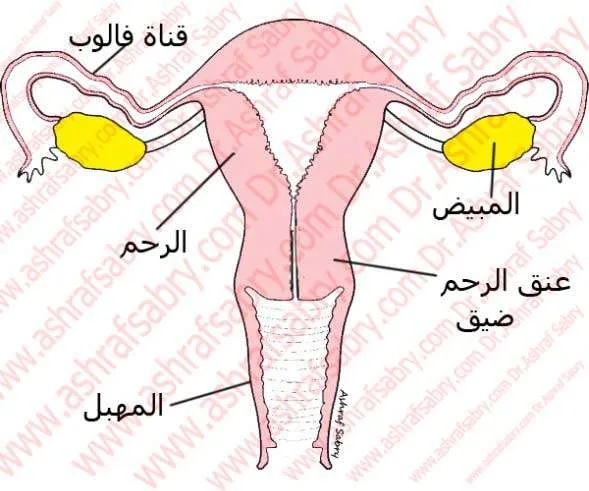
    Cervical stenosis (narrowing)

    Narrowing of the cervix, usually after extensive cervical cautery, laser treatment or cone biopsy, can block sperm from entering.

    Cervical mucus problems

    Sometimes the cervical mucus is too scanty to support sperm, or so thick that sperm cannot pass through it.

    Antisperm antibodies in the cervix

    It was once believed that antibodies in the cervical mucus commonly killed sperm. Current evidence shows that testing for this does not change management, and it is no longer routinely recommended.

    Cervical stenosis
    Cervical stenosis

    Treatment of cervical problems

    Infections

    Cervical infections are treated with the appropriate medication once the organism is identified. Chlamydia testing is particularly important, as it can also damage the fallopian tubes.

    Mucus and antibody problems

    Steroids were used in the past for cervical antibodies but were abandoned because of their side effects, and estrogen for poor mucus has not proven useful. Today, intrauterine insemination (IUI), which places prepared sperm directly into the uterus beyond the cervix, or IVF, effectively bypasses all cervical factors.

    Cervical stenosis

    The cervix can be gently dilated, or bypassed using an insemination or transfer catheter. Avoiding unnecessary cervical cautery prevents narrowing in the first place.

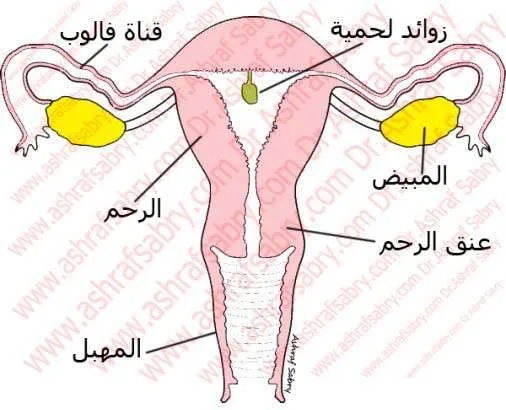
    Normal female internal reproductive organs
    Normal uterus and cervix

    International Guidelines

    In line with global standards, Dr. Sabry follows the latest recommendations from the American Society for Reproductive Medicine (ASRM), European Society of Human Reproduction and Embryology (ESHRE), and Royal College of Obstetricians and Gynaecologists (RCOG). Thus, patients receive care that is safe, ethical, and evidence-based.

    Our Patient Reviews

    Discover what patients say about us on Google Maps, Vezeeta, and WhatClinic.

    Why Choose Dr. Ashraf Sabry?

    Dr. Ashraf Sabry, consultant in obstetrics, gynecology, fertility, and aesthetic gynecology, is recognized among the best OBGYN and fertility specialists in Cairo. With over 20 years of experience, he combines science and compassion to provide world-class care. Book your appointment through the contact page, WhatsApp, or call +201022224442.

  • High Prolactin and Infertility

    Prolactin is a hormone made by the pituitary gland. Its job is to prepare the breasts for breastfeeding during and after pregnancy. When prolactin rises outside pregnancy and breastfeeding (hyperprolactinemia), it disturbs the release of FSH and LH from the pituitary, leading to irregular or absent ovulation and periods, and difficulty conceiving. It may also cause a milky discharge from the breasts.

    Causes include stress, pituitary disorders and small benign pituitary tumours (prolactinomas). An underactive thyroid can also raise prolactin, as can some medications, including certain blood pressure drugs, antipsychotics, antidepressants and anti-sickness medicines.

    Testing prolactin

    Prolactin can be measured on any day of the cycle, ideally in the morning and without significant stress beforehand, as stress and even the blood draw itself can raise it slightly. A mildly raised result should be repeated, and thyroid function checked. If prolactin is confirmed high, an MRI of the pituitary is used to detect or exclude a small tumour.

    Treatment

    Medication

    Medication is the first-line treatment and usually restores normal prolactin levels and ovulation. Cabergoline, taken once or twice a week, is now preferred because it is more effective and causes fewer side effects. Bromocriptine, taken daily, is an older alternative that more often causes nausea and vomiting.

    Surgery

    Surgery is reserved for pituitary tumours that do not respond to or cannot tolerate medication, or larger tumours pressing on surrounding structures such as the optic nerves.

    Radiotherapy

    Radiotherapy is rarely needed, and only when both medication and surgery have failed.


    International Guidelines

    In line with global standards, Dr. Sabry follows the latest recommendations from the American Society for Reproductive Medicine (ASRM), European Society of Human Reproduction and Embryology (ESHRE), and Royal College of Obstetricians and Gynaecologists (RCOG). Thus, patients receive care that is safe, ethical, and evidence-based.

    Our Patient Reviews

    Discover what patients say about us on Google Maps, Vezeeta, and WhatClinic.

    Why Choose Dr. Ashraf Sabry?

    Dr. Ashraf Sabry, consultant in obstetrics, gynecology, fertility, and aesthetic gynecology, is recognized among the best OBGYN and fertility specialists in Cairo. With over 20 years of experience, he combines science and compassion to provide world-class care. Book your appointment through the contact page, WhatsApp, or call +201022224442.

  • Vaginal Causes of Female Infertility

    Vaginal Causes of Female Infertility

    The vagina is a muscular canal about 10 cm long, running from the vulva to the cervix. Cells, glands and beneficial bacteria in the vagina produce acidic secretions that keep it moist and protect it from harmful microbes. The vagina stretches during intercourse, and at ejaculation sperm are deposited at its upper end, close to the cervix.

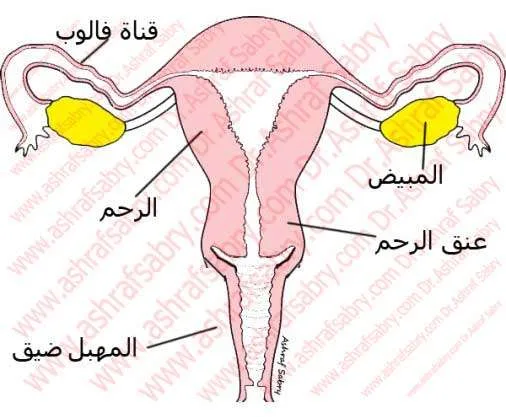
    Vaginal problems that can delay pregnancy include a blockage from a septum (a wall of tissue), severe narrowing that prevents penetration, vaginismus (involuntary tightening of the vaginal muscles), and painful inflammation of the vaginal wall that makes intercourse difficult.

    Struggling to conceive? If natural conception is difficult in your case, IVF and ICSI with Dr. Ashraf Sabry may be the right solution. Learn about the steps, timing and who it suits.

    Vaginal narrowing
    Vaginal narrowing
    Vaginal septum
    Vaginal septum

    Treatment of vaginal problems

    Vaginal infections

    Infections are treated with the appropriate medication once the type of organism is identified.

    Vaginal septum

    A vaginal septum is removed surgically, usually as a simple procedure.

    Excision of a vaginal septum
    Excision of a vaginal septum

    Vaginismus

    Vaginismus is very treatable with a combination of education, pelvic floor physiotherapy, graded dilator therapy and, in selected cases, botulinum toxin injections. Until intercourse is possible, pregnancy can be achieved with insemination if needed. Learn more on our vaginismus treatment page.


    International Guidelines

    In line with global standards, Dr. Sabry follows the latest recommendations from the American Society for Reproductive Medicine (ASRM), European Society of Human Reproduction and Embryology (ESHRE), and Royal College of Obstetricians and Gynaecologists (RCOG). Thus, patients receive care that is safe, ethical, and evidence-based.

    Our Patient Reviews

    Discover what patients say about us on Google Maps, Vezeeta, and WhatClinic.

    Why Choose Dr. Ashraf Sabry?

    Dr. Ashraf Sabry, consultant in obstetrics, gynecology, fertility, and aesthetic gynecology, is recognized among the best OBGYN and fertility specialists in Cairo. With over 20 years of experience, he combines science and compassion to provide world-class care. Book your appointment through the contact page, WhatsApp, or call +201022224442.

  • Hormonal Causes of Female Infertility

    Hormonal Causes of Female Infertility

    Hormones are chemical messengers in the blood that control ovulation and prepare the uterine lining for the embryo to implant. A problem anywhere along this hormonal chain can stop or disturb ovulation.

    Hypothalamus problems

    The hypothalamus at the base of the brain releases GnRH, which drives the pituitary gland to produce FSH and LH. Its function is disturbed by rapid or large weight loss or gain, excessive exercise, and severe physical or emotional stress. Less commonly, a tumour, high-dose radiation, head injury or surgery can affect it. This condition (hypothalamic amenorrhoea) causes absent periods and absent ovulation.

    Pituitary problems

    The pituitary gland, just below the hypothalamus, releases FSH and LH, which make the egg follicles grow and mature. Its function can be disturbed by a pituitary tumour, high-dose radiation, raised prolactin, injury or surgery, and sometimes briefly after stopping the contraceptive pill. Severe bleeding after childbirth can cut off the pituitary’s blood supply and damage all or part of it (Sheehan syndrome). Low pituitary hormones lead to weak or absent ovulation.

    High prolactin

    Prolactin is a pituitary hormone that prepares the breasts for breastfeeding. When it is raised outside of breastfeeding, it disturbs FSH and LH release, leading to irregular or absent ovulation and periods. It is detected with a blood test, and sometimes by milky discharge from the breasts. Causes include small benign pituitary tumours (prolactinomas), an underactive thyroid and some medications.

    Other glands

    Excess male hormones (androgens), most often due to polycystic ovary syndrome (PCOS), and thyroid disorders can also disturb ovulation.

    Hormone tests for female infertility

    Unlike the man’s tests, some of the woman’s hormone tests must be done on specific days of the cycle, and an accredited laboratory should be used.

    • FSH, LH and estradiol on day 2–5 of the cycle. A high FSH suggests reduced ovarian reserve; a raised LH-to-FSH ratio may be seen in PCOS; low levels suggest a problem with the hypothalamus or pituitary.
    • AMH (anti-Müllerian hormone), on any day. It is produced by small follicles and is the best blood marker of the remaining egg reserve: low with advancing age, high in PCOS.
    • Progesterone about 7 days before the expected period (day 21 of a 28-day cycle). A raised level confirms that ovulation has occurred.
    • TSH (thyroid) and prolactin, on any day.
    • Testosterone, on any day, when PCOS or excess hair growth is suspected.

    Treatment

    • Hypothalamic and pituitary causes: correcting weight, exercise and stress where relevant, and ovulation induction with gonadotropin injections (FSH and LH) when needed.
    • High prolactin: medication such as cabergoline usually normalizes prolactin and restores ovulation.
    • Underactive thyroid: thyroid hormone replacement, aiming for a normal TSH before and during pregnancy.
    • PCOS: weight management and ovulation induction, with letrozole now the first-line medication.

    International Guidelines

    In line with global standards, Dr. Sabry follows the latest recommendations from the American Society for Reproductive Medicine (ASRM), European Society of Human Reproduction and Embryology (ESHRE), and Royal College of Obstetricians and Gynaecologists (RCOG). Thus, patients receive care that is safe, ethical, and evidence-based.

    Our Patient Reviews

    Discover what patients say about us on Google Maps, Vezeeta, and WhatClinic.

    Why Choose Dr. Ashraf Sabry?

    Dr. Ashraf Sabry, consultant in obstetrics, gynecology, fertility, and aesthetic gynecology, is recognized among the best OBGYN and fertility specialists in Cairo. With over 20 years of experience, he combines science and compassion to provide world-class care. Book your appointment through the contact page, WhatsApp, or call +201022224442.

  • Age and Female Fertility

    Age and Female Fertility

    A baby girl is born with about one to two million egg follicles in her ovaries. Many of these naturally disappear, leaving around 300,000–400,000 by puberty, and the number keeps falling throughout life, faster after 35. By the early 40s, only a small fraction remain.
    From about age 35, both the number and the quality of eggs decline. As a result, the chance of pregnancy each month falls, while the risk of miscarriage and of chromosomal abnormalities in the baby rises, because the remaining eggs are fewer and have been ageing for longer.

    Delayed pregnancy
    Delayed pregnancy

    What women over 35 can do

    • Seek assessment after 6 months of trying (or straight away after 40) rather than waiting a full year.
    • Check ovarian reserve with an AMH blood test and an antral follicle count on ultrasound. These estimate egg quantity, not quality, but help plan treatment.
    • Consider IVF earlier, with or without genetic testing of embryos (PGT-A) to select chromosomally normal embryos.
    • Women who want to delay pregnancy can consider egg freezing, ideally before 35.

    International Guidelines

    In line with global standards, Dr. Sabry follows the latest recommendations from the American Society for Reproductive Medicine (ASRM), European Society of Human Reproduction and Embryology (ESHRE), and Royal College of Obstetricians and Gynaecologists (RCOG). Thus, patients receive care that is safe, ethical, and evidence-based.

    Our Patient Reviews

    Discover what patients say about us on Google Maps, Vezeeta, and WhatClinic.

    Why Choose Dr. Ashraf Sabry?

    Dr. Ashraf Sabry, consultant in obstetrics, gynecology, fertility, and aesthetic gynecology, is recognized among the best OBGYN and fertility specialists in Cairo. With over 20 years of experience, he combines science and compassion to provide world-class care. Book your appointment through the contact page, WhatsApp, or call +201022224442.