Endometrial polyps
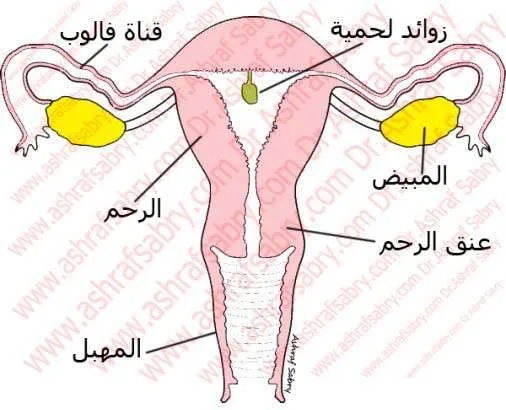
Polyps are overgrowths of the uterine lining. Small polyps may have no effect, while larger ones can fill the cavity and interfere with sperm transport or implantation of the embryo, delaying pregnancy. Polyps respond to estrogen and can grow when estrogen levels are high.
Struggling to conceive? If natural conception is difficult in your case, IVF and ICSI with Dr. Ashraf Sabry may be the right solution. Learn about the steps, timing and who it suits.
Uterine fibroids
Fibroids (myomas) are the most common benign tumours in women. They are round growths of the uterine muscle that enlarge under the influence of estrogen. Most women with fibroids have no symptoms, but some have heavy periods, pain, infertility or miscarriage. Their effect on fertility depends mainly on their position:
- Submucosal fibroids bulge into the uterine cavity. These are the most important for fertility, because they distort the cavity, reduce implantation and increase miscarriage; they can also cause heavy bleeding.
- Intramural fibroids lie within the muscle wall, where all fibroids start. Small ones usually have little effect, but larger ones, or those that distort the cavity, may reduce fertility.
- Subserosal fibroids grow outwards from the surface of the uterus. They do not affect fertility, but large ones can press on nearby organs such as the bladder, causing frequent urination or discomfort.


Treatment of polyps
Polyps in women trying to conceive are removed by hysteroscopy, a minor procedure that improves the chance of pregnancy.
Medical treatment of fibroids
Hormonal treatments such as GnRH agonists can shrink fibroids temporarily and are mainly used before surgery to reduce size and blood loss. Hormonal medications and the contraceptive pill can control heavy bleeding but prevent pregnancy while being taken, so they do not treat fibroid-related infertility.
Surgery for women who want to conceive
Submucosal fibroids are removed through the hysteroscope (hysteroscopic myomectomy). Intramural or subserosal fibroids that need removal can be taken out by laparoscopy or, for very large or multiple fibroids or when adhesions prevent laparoscopy, through an open abdominal incision (myomectomy). Not every fibroid needs surgery; unnecessary myomectomy can cause adhesions, so the decision is individualized.


Women who have completed their family
Options include hysterectomy (abdominal, vaginal or laparoscopic) or uterine artery embolization, which shrinks fibroids by blocking their blood supply without major surgery. Embolization is generally not recommended for women planning pregnancy.
Learn more on our fibroid treatment page.
International Guidelines
In line with global standards, Dr. Sabry follows the latest recommendations from the American Society for Reproductive Medicine (ASRM), European Society of Human Reproduction and Embryology (ESHRE), and Royal College of Obstetricians and Gynaecologists (RCOG). Thus, patients receive care that is safe, ethical, and evidence-based.
Our Patient Reviews
Discover what patients say about us on Google Maps, Vezeeta, and WhatClinic.
Why Choose Dr. Ashraf Sabry?
Dr. Ashraf Sabry, consultant in obstetrics, gynecology, fertility, and aesthetic gynecology, is recognized among the best OBGYN and fertility specialists in Cairo. With over 20 years of experience, he combines science and compassion to provide world-class care. Book your appointment through the contact page, WhatsApp, or call +201022224442.