Hormones are chemical messengers in the blood that control ovulation and prepare the uterine lining for the embryo to implant. A problem anywhere along this hormonal chain can stop or disturb ovulation.
Hypothalamus problems
The hypothalamus at the base of the brain releases GnRH, which drives the pituitary gland to produce FSH and LH. Its function is disturbed by rapid or large weight loss or gain, excessive exercise, and severe physical or emotional stress. Less commonly, a tumour, high-dose radiation, head injury or surgery can affect it. This condition (hypothalamic amenorrhoea) causes absent periods and absent ovulation.
Pituitary problems
The pituitary gland, just below the hypothalamus, releases FSH and LH, which make the egg follicles grow and mature. Its function can be disturbed by a pituitary tumour, high-dose radiation, raised prolactin, injury or surgery, and sometimes briefly after stopping the contraceptive pill. Severe bleeding after childbirth can cut off the pituitary’s blood supply and damage all or part of it (Sheehan syndrome). Low pituitary hormones lead to weak or absent ovulation.
High prolactin
Prolactin is a pituitary hormone that prepares the breasts for breastfeeding. When it is raised outside of breastfeeding, it disturbs FSH and LH release, leading to irregular or absent ovulation and periods. It is detected with a blood test, and sometimes by milky discharge from the breasts. Causes include small benign pituitary tumours (prolactinomas), an underactive thyroid and some medications.
Other glands
Excess male hormones (androgens), most often due to polycystic ovary syndrome (PCOS), and thyroid disorders can also disturb ovulation.
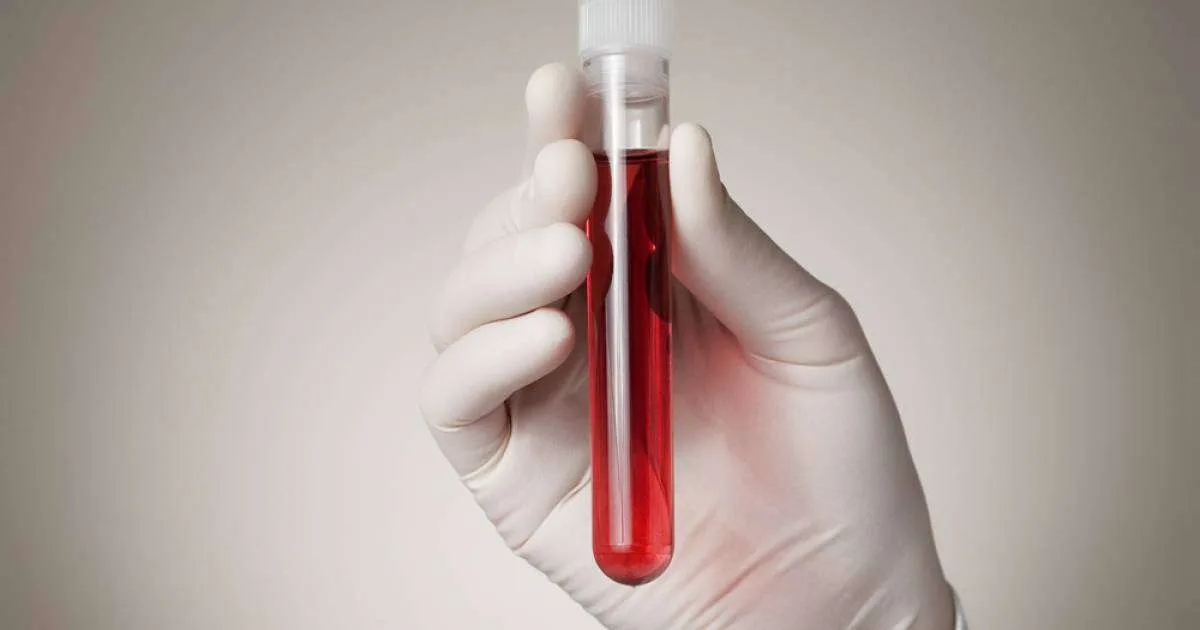
Hormone tests for female infertility
Unlike the man’s tests, some of the woman’s hormone tests must be done on specific days of the cycle, and an accredited laboratory should be used.
- FSH, LH and estradiol on day 2–5 of the cycle. A high FSH suggests reduced ovarian reserve; a raised LH-to-FSH ratio may be seen in PCOS; low levels suggest a problem with the hypothalamus or pituitary.
- AMH (anti-Müllerian hormone), on any day. It is produced by small follicles and is the best blood marker of the remaining egg reserve: low with advancing age, high in PCOS.
- Progesterone about 7 days before the expected period (day 21 of a 28-day cycle). A raised level confirms that ovulation has occurred.
- TSH (thyroid) and prolactin, on any day.
- Testosterone, on any day, when PCOS or excess hair growth is suspected.
Treatment
- Hypothalamic and pituitary causes: correcting weight, exercise and stress where relevant, and ovulation induction with gonadotropin injections (FSH and LH) when needed.
- High prolactin: medication such as cabergoline usually normalizes prolactin and restores ovulation.
- Underactive thyroid: thyroid hormone replacement, aiming for a normal TSH before and during pregnancy.
- PCOS: weight management and ovulation induction, with letrozole now the first-line medication.
International Guidelines
In line with global standards, Dr. Sabry follows the latest recommendations from the American Society for Reproductive Medicine (ASRM), European Society of Human Reproduction and Embryology (ESHRE), and Royal College of Obstetricians and Gynaecologists (RCOG). Thus, patients receive care that is safe, ethical, and evidence-based.
Our Patient Reviews
Discover what patients say about us on Google Maps, Vezeeta, and WhatClinic.
Why Choose Dr. Ashraf Sabry?
Dr. Ashraf Sabry, consultant in obstetrics, gynecology, fertility, and aesthetic gynecology, is recognized among the best OBGYN and fertility specialists in Cairo. With over 20 years of experience, he combines science and compassion to provide world-class care. Book your appointment through the contact page, WhatsApp, or call +201022224442.