Semen analysis
Semen analysis is the first and most important test of male fertility.
How to give a semen sample
Abstain from ejaculation for 2–7 days before the test (2–5 days is ideal). The sample should be collected by masturbation, not by interrupted intercourse. If masturbation is difficult, special non-toxic collection condoms can be supplied by the laboratory; ordinary condoms and lubricants should not be used, as they harm sperm. If the sample is collected at home, it must reach the laboratory within one hour, kept at body temperature.
Collect the whole ejaculate in the sterile container provided, without touching the inside or leaving it open, and make sure no part is lost, especially the first portion, which contains the most sperm. Do not let water, soap or lubricant contact the sample.
Choose an experienced, accredited laboratory. If a result is abnormal, the test should be repeated, ideally after a few weeks, because sperm parameters naturally vary from sample to sample.
Basic semen parameters
The World Health Organization’s 2021 manual gives lower reference limits for fertile men. Results below these limits make infertility more likely but do not prove it, and results above them do not guarantee fertility.
Volume
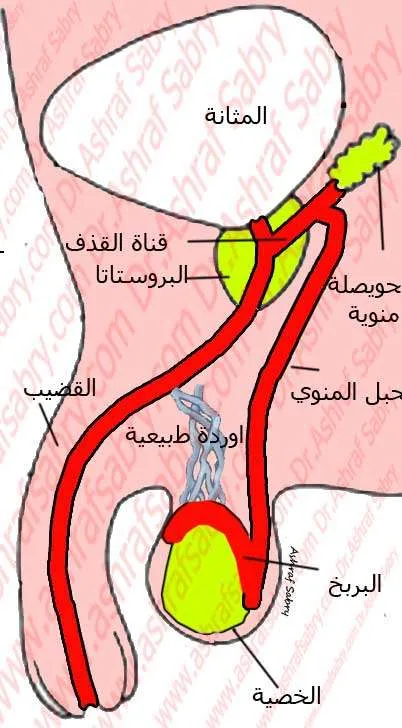
This is the volume of the whole ejaculate, not the number of sperm. The lower reference limit is 1.4 mL. Low volume can result from an incomplete sample, short abstinence, retrograde ejaculation, or problems with the seminal vesicles, prostate or ejaculatory ducts.
Sperm concentration and total count
The lower reference limit is 16 million sperm per mL, or 39 million per ejaculate. Concentration is used together with the total count, because ejaculate volume varies from one sample to the next.
Motility
Sperm movement is graded as progressive (moving forward, fast or slow), non-progressive (moving but not forward) or immotile. The lower reference limits are 42% total motility and 30% progressive motility.
Morphology (shape)
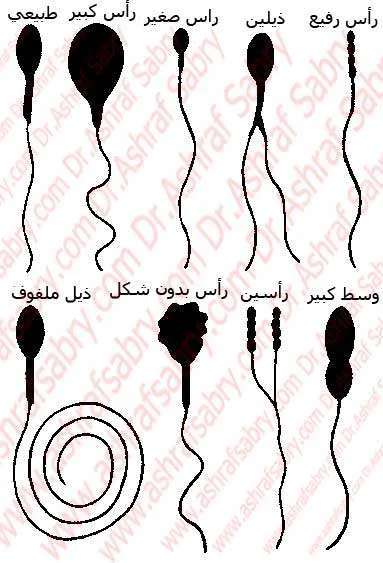
Most sperm in a normal sample are abnormally shaped. Using strict criteria, 4% or more normal forms is within the reference range. Defects may affect the head (large, small, tapered or irregular), the midpiece, or the tail (split, coiled, very long or absent).
Vitality
When motility is very low, a vitality stain checks whether the non-moving sperm are alive; at least 54% should be alive.
Agglutination
Sperm clumping together, which impairs movement and can suggest antisperm antibodies.
White blood cells
White blood cells (leukocytes) increase with infection or inflammation. Normally there are fewer than 1 million per mL; higher numbers (leukocytospermia) call for further assessment.
Viscosity and liquefaction
Semen clots immediately after ejaculation, then liquefies, usually within 15–60 minutes. Abnormally thick semen or delayed liquefaction can hinder sperm movement and may indicate inflammation of the seminal vesicles or prostate.
pH
Semen is slightly alkaline (pH 7.2 or more), which protects sperm from vaginal acidity. Acidic semen with low volume suggests blockage of the ejaculatory ducts or absent seminal vesicles.
Fructose
Fructose is produced by the seminal vesicles and fuels sperm movement. Its absence suggests absent seminal vesicles or a blockage of the ejaculatory ducts.


Advanced semen tests
- Semen culture: used when infection is suspected, for example with high white cell counts or symptoms, to identify the organism and choose the right antibiotic.
- Computer-assisted semen analysis (CASA): measures sperm movement objectively, reducing human error, though it must be carefully calibrated.
- Sperm DNA fragmentation: measures damage to the genetic material in sperm. It may help in recurrent miscarriage, repeated IVF failure or unexplained infertility.
- Antisperm antibody testing: when there is agglutination or a history of testicular injury, surgery or vasectomy reversal.
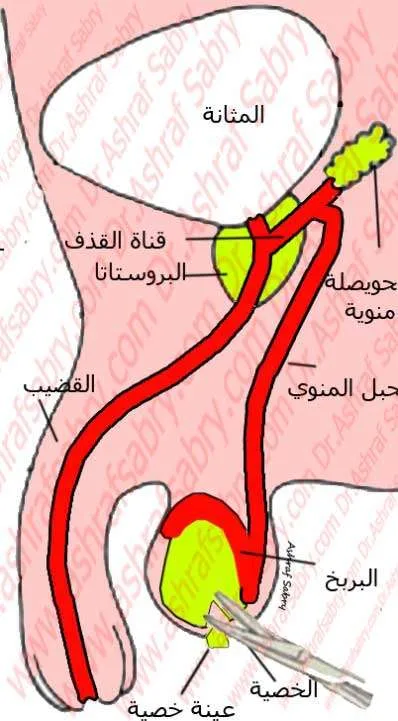
- Post-ejaculatory urine: when the volume is low, to check for retrograde ejaculation.
- Hypo-osmotic swelling test: identifies live sperm with intact membranes, sometimes used to choose sperm for ICSI when all sperm are immotile.
Older tests, such as the hamster egg penetration test, cervical mucus penetration tests, routine acrosome reaction testing and sperm survival tests, are no longer used in routine practice, because they do not change treatment.
Examination and ultrasound for varicocele
A varicocele is a swelling of the veins around the testis caused by weak vein valves, which raises the temperature of the testis and can harm sperm production. The doctor examines the man standing, feeling for the “bag of worms” texture above the testis, which increases when he coughs or strains. Scrotal ultrasound shows the dilated veins and assesses the testes, and colour Doppler shows backflow of blood in the veins when he strains. See varicocele and male infertility.


Hormone tests
Testosterone, LH, FSH and prolactin are measured in the blood, usually in the morning. Low testosterone with high FSH and LH indicates a problem in the testes (primary testicular failure). Low testosterone, FSH and LH together suggest a problem with the pituitary or hypothalamus, which is often treatable with hormone injections. Normal hormones in a man with no sperm and normal-sized testes suggest an obstruction or retrograde ejaculation. Raised prolactin can cause low libido and erectile problems.
Genetic tests
Men with no sperm or very low counts (under 5 million per mL) are offered a karyotype and Y-chromosome microdeletion testing, and men with absent vasa deferentia cystic fibrosis testing.
International Guidelines
In line with global standards, Dr. Sabry follows the latest recommendations from the American Society for Reproductive Medicine (ASRM), European Society of Human Reproduction and Embryology (ESHRE), and Royal College of Obstetricians and Gynaecologists (RCOG). Thus, patients receive care that is safe, ethical, and evidence-based.
Our Patient Reviews
Discover what patients say about us on Google Maps, Vezeeta, and WhatClinic.
Why Choose Dr. Ashraf Sabry?
Dr. Ashraf Sabry, consultant in obstetrics, gynecology, fertility, and aesthetic gynecology, is recognized among the best OBGYN and fertility specialists in Cairo. With over 20 years of experience, he combines science and compassion to provide world-class care. Book your appointment through the contact page, WhatsApp, or call +201022224442.