
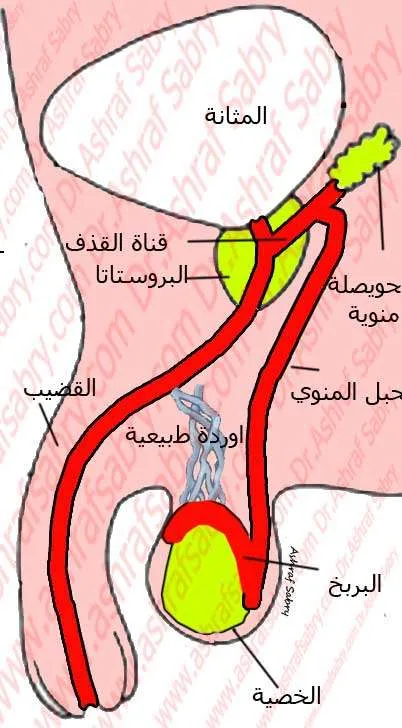
Sperm made in the testes pass through the epididymis and vas deferens, mix with fluid from the seminal vesicles and prostate, and are ejaculated through the erect penis into the upper vagina. Problems with any step of this delivery, or with the ducts, can prevent sperm from reaching the egg.
Struggling to conceive? If natural conception is difficult in your case, IVF and ICSI with Dr. Ashraf Sabry may be the right solution. Learn about the steps, timing and who it suits.
Timing and frequency of intercourse
Pregnancy can be delayed if intercourse does not happen during the fertile window, the five days before ovulation and the day of ovulation. Infrequent intercourse lowers the chance of hitting this window. Current advice is intercourse every two to three days throughout the cycle, or daily or every other day around ovulation; frequent ejaculation does not harm sperm quality in most men.
No particular sexual position increases the chance of pregnancy, as long as ejaculation occurs inside the vagina, and there is no evidence that lying down afterwards helps. Avoid lubricants that may harm sperm, unless they are labelled fertility-friendly.
Erectile dysfunction
Erectile problems can prevent intercourse and therefore conception. Causes include psychological factors (depression, relationship conflict, general or performance anxiety), nerve disorders, blood vessel disease (from diabetes, high blood pressure, high cholesterol, smoking and obesity), certain medications (some blood pressure drugs, stomach-ulcer drugs, hormone treatments, antidepressants and antipsychotics), and hormonal problems such as low testosterone or high prolactin.
Abnormal position of the urethral opening (hypospadias)
Normally the urethra opens at the tip of the penis. In hypospadias, it opens on the underside of the penis. If the opening is far from the tip, semen may not be deposited high in the vagina, which can delay pregnancy.
Penile curvature
Curvature of the penis, whether congenital or acquired (Peyronie’s disease) or after previous surgery, can make penetration difficult or impossible.
Retrograde ejaculation
Normally, during orgasm, the muscle at the bladder neck closes to stop semen flowing back into the bladder. In retrograde ejaculation, this muscle does not close properly, and semen passes into the bladder instead of out through the penis, so little or no semen is ejaculated. Causes include congenital abnormalities, nerve or spinal cord injury, pelvic fractures, prostate, bladder neck or pelvic surgery, diabetes and certain medications (such as alpha-blockers for the prostate).


Medical treatment
Erectile dysfunction
Underlying conditions such as diabetes, thyroid disease and high prolactin are treated first; high prolactin responds to cabergoline. Lifestyle changes (stopping smoking, losing weight, exercise) help, and counselling or sex therapy is valuable when psychological factors are involved. PDE5 inhibitors such as sildenafil and tadalafil are the first-line medication and are safe for men trying to conceive. Injections into the penis are an option if tablets do not work. Testosterone replacement should be avoided in men trying to conceive, as it suppresses sperm production.
Premature ejaculation
Premature ejaculation is managed with behavioural techniques (the stop-start and squeeze methods, and pelvic floor exercises), medications such as dapoxetine or other SSRIs, and local anaesthetic sprays or creams. Treating any infection or erectile problem and involving both partners in counselling also helps. Surgical cutting of the penile nerves is not recommended, because it can cause permanent loss of sensation.
Retrograde ejaculation
Medications that tighten the bladder neck (sympathomimetics such as pseudoephedrine or imipramine) can restore normal ejaculation in some men, particularly those with diabetes. Stopping any responsible medication may also help.

Procedures and assisted reproduction
- Retrograde ejaculation: if medication does not help, sperm can be recovered from urine passed straight after orgasm (after making the urine less acidic) and used for IUI or ICSI.
- Hypospadias and penile curvature: these can be corrected surgically if they prevent intercourse; alternatively, IUI places sperm directly in the uterus.
- Anejaculation (no ejaculation, for example after spinal cord injury): penile vibratory stimulation or electroejaculation can obtain semen for insemination or ICSI, and sperm can also be retrieved directly from the testis.
- Severe erectile dysfunction: vacuum devices or a penile prosthesis may be used, and for conception, semen can be collected and used for IUI or IVF.


International Guidelines
In line with global standards, Dr. Sabry follows the latest recommendations from the American Society for Reproductive Medicine (ASRM), European Society of Human Reproduction and Embryology (ESHRE), and Royal College of Obstetricians and Gynaecologists (RCOG). Thus, patients receive care that is safe, ethical, and evidence-based.
Our Patient Reviews
Discover what patients say about us on Google Maps, Vezeeta, and WhatClinic.
Why Choose Dr. Ashraf Sabry?
Dr. Ashraf Sabry, consultant in obstetrics, gynecology, fertility, and aesthetic gynecology, is recognized among the best OBGYN and fertility specialists in Cairo. With over 20 years of experience, he combines science and compassion to provide world-class care. Book your appointment through the contact page, WhatsApp, or call +201022224442.