Polycystic ovary syndrome (PCOS) is a common hormonal disorder, affecting about 1 in 8 women of reproductive age, with effects throughout the body. It involves raised levels of LH from the pituitary, male hormones (androgens) and insulin.
Diagnosis
PCOS is diagnosed using the Rotterdam criteria, which require at least two of the following three features, after other causes have been excluded:
- Irregular or absent ovulation, shown by infrequent or irregular periods.
- Signs of excess androgens, either clinically (excess hair, acne) or on blood tests.
- Polycystic ovaries on ultrasound (20 or more small follicles in one ovary, or an enlarged ovary), or a raised AMH level.
Symptoms and associated problems
- Irregular or infrequent periods.
- Absent ovulation, causing difficulty conceiving.
- Raised male hormones, driven by high insulin and LH, causing excess facial and body hair, acne and oily skin.
- A raised LH-to-FSH ratio, and sometimes mildly raised prolactin.
- Insulin resistance, so insulin levels rise.
- Weight gain, especially around the waist (though many women with PCOS are not overweight).
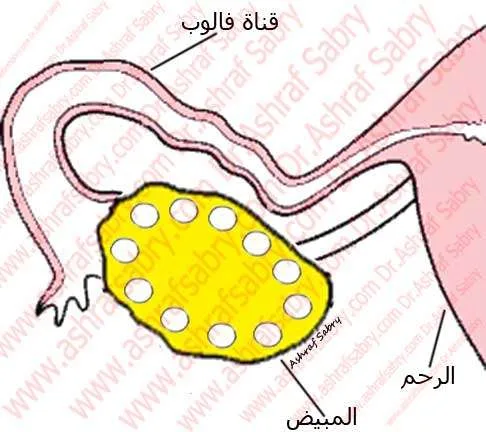
- Many small follicles around the edge of the ovary, like a “string of pearls”, often with enlarged ovaries.
- A higher long-term risk of type 2 diabetes, high blood pressure, high cholesterol and heart disease.
- A higher risk of endometrial cancer, from long-term estrogen exposure without regular periods.
- A higher risk of pregnancy complications such as gestational diabetes.

Tests
Transvaginal ultrasound
Ultrasound shows many small follicles (2–9 mm) arranged around the edge of the ovary, often with an enlarged ovarian volume. It is not needed for diagnosis in adolescents, because many young women have this appearance normally.

Hormone tests
Testosterone is often raised, LH may be high relative to FSH, and AMH is usually higher than normal. Prolactin, thyroid function and, where appropriate, 17-OH progesterone are checked to exclude other causes. Screening for diabetes and cholesterol is also recommended.
Treatment
Weight and lifestyle
For women who are overweight, losing even 5–10% of body weight can restore ovulation and increase pregnancy rates. Very thin women with absent periods should restore a healthy weight.
Ovulation induction
Letrozole is now the first-line medication for women with PCOS trying to conceive, with higher ovulation and live birth rates than clomiphene. Clomiphene, sometimes with metformin, is an alternative. Women who do not respond can use low-dose gonadotropin injections with careful ultrasound monitoring.
Metformin
Metformin improves the body’s response to insulin. It can help regulate cycles and is useful combined with clomiphene in women who do not respond to it, but on its own it is less effective than letrozole for achieving pregnancy.
Excess hair and acne
Excess hair can be managed with laser or other hair removal methods, and, in women not trying to conceive, with the combined pill and anti-androgen medication.
Laparoscopic ovarian drilling
Ovarian drilling, using heat or laser to make small punctures in the ovary’s surface, is a second-line option for women who do not respond to ovulation tablets. It must be done by an experienced surgeon, because excessive treatment can damage the ovarian reserve.
Women not trying to conceive
The combined pill, or progesterone every few months to bring on a period, protects the uterine lining from the risk of endometrial cancer.
IVF
IVF is used when other treatments fail or there are additional fertility problems. Women with PCOS are at higher risk of ovarian hyperstimulation syndrome (OHSS), so they are treated with an antagonist protocol, a GnRH agonist trigger and, if needed, freezing all embryos for a later transfer.


Learn more on our PCOS treatment page.
International Guidelines
In line with global standards, Dr. Sabry follows the latest recommendations from the American Society for Reproductive Medicine (ASRM), European Society of Human Reproduction and Embryology (ESHRE), and Royal College of Obstetricians and Gynaecologists (RCOG). Thus, patients receive care that is safe, ethical, and evidence-based.
Our Patient Reviews
Discover what patients say about us on Google Maps, Vezeeta, and WhatClinic.
Why Choose Dr. Ashraf Sabry?
Dr. Ashraf Sabry, consultant in obstetrics, gynecology, fertility, and aesthetic gynecology, is recognized among the best OBGYN and fertility specialists in Cairo. With over 20 years of experience, he combines science and compassion to provide world-class care. Book your appointment through the contact page, WhatsApp, or call +201022224442.