Category: Infertility Book

Dr. Ashraf Sabry’s book on the diagnosis and treatment of infertility.

  • IVF and ICSI: A Step-by-Step Guide

    IVF and ICSI: A Step-by-Step Guide

    In vitro fertilization (IVF) means fertilizing the egg with sperm outside the body, in the laboratory. The first IVF baby, Louise Brown, was born in the United Kingdom in 1978. Today, more than 12 million children worldwide have been born through IVF.

    Who needs IVF?

    • Blocked or damaged fallopian tubes.
    • Severe pelvic adhesions.
    • Significant male factor, such as a very low sperm count or motility, or sperm retrieved from the testis.
    • Endometriosis, especially moderate or severe.
    • Polycystic ovary syndrome that has not responded to simpler treatment.
    • Long-standing unexplained infertility, or failure of other treatments such as IUI.
    • Women over 35, where there is less time for repeated trials.
    • Couples needing genetic testing of embryos (PGT), including for gender selection, or fertility preservation.
    Ultrasound-guided egg collection
    Ultrasound-guided egg collection

    Step 1: Preparation

    The couple first receives a full explanation of the treatment, its success rates and its risks. Both partners are assessed to identify anything that could reduce the chance of pregnancy: screening for vaginal, cervical or semen infections, infection screening blood tests, ovarian reserve tests (AMH and antral follicle count) for the woman, and a semen analysis for the man. A pelvic ultrasound checks the ovaries, the shape and cavity of the uterus, and the tubes.

    Problems are treated before starting: for example, polyps or fibroids distorting the uterine cavity are removed, and a hydrosalpinx (a swollen, fluid-filled tube) is removed or blocked, because its fluid flowing back into the uterus roughly halves the chance of success.

    Step 2: Ovarian stimulation

    IVF aims to collect several mature eggs, which increases the number of embryos and the chance of pregnancy. The main medications are:

    Gonadotropin injections (FSH and LH)

    Available as human menopausal gonadotropin (hMG), purified urinary FSH and recombinant FSH. The dose is tailored to each woman’s age, AMH, antral follicle count and previous response.

    GnRH agonists

    These first stimulate and then switch off the pituitary’s release of FSH and LH, preventing premature ovulation. They are also used to shrink fibroids and endometriosis.

    GnRH antagonists

    These block the pituitary immediately and are used for a few days during stimulation to prevent premature ovulation.

    The trigger injection

    hCG, which acts like LH, or a GnRH agonist trigger in women at risk of OHSS, completes egg maturation once the follicles are ready.

    Stimulation protocols

    Antagonist protocol

    Injections start on day 2–3 of the period, and the antagonist is added after about five days or when the lead follicles reach about 13–14 mm. It is now the most widely used protocol: shorter, with fewer injections, and with a much lower risk of OHSS.

    Long agonist protocol

    The agonist is started about a week before the expected period (around day 21). After 10–14 days, a blood test and ultrasound confirm that the pituitary is suppressed (low estrogen and thin lining), and stimulation injections are then started while the agonist continues. It is still used in selected cases, such as endometriosis.

    Short agonist protocol

    The agonist and stimulation injections both start at the beginning of the cycle. It is now used less often.

    Mild and natural-cycle IVF

    Lower doses, or no stimulation, may suit some women, such as those with a low reserve.

    Monitoring

    During stimulation, transvaginal ultrasound measures the growing follicles, which grow about 1.5–2 mm a day, and the lining, often with estrogen blood tests. When enough follicles reach about 17–20 mm, the trigger injection is given, and egg collection is scheduled about 36 hours later.

    Stimulated ovary with multiple follicles
    Stimulated ovary with multiple follicles
    Ultrasound of the uterine lining
    The uterine lining on ultrasound

    Step 3: Sperm collection

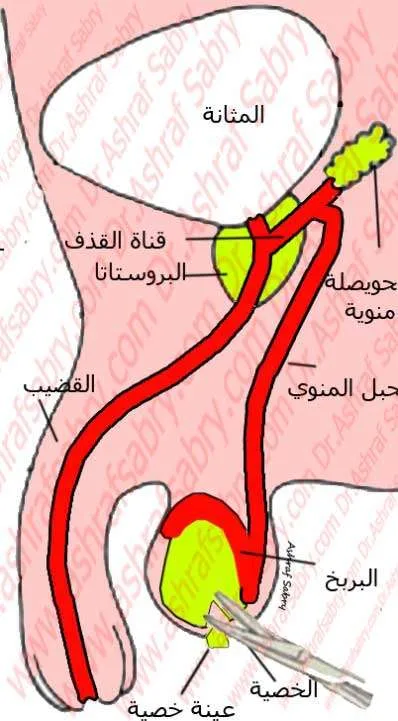
    On the day of egg collection, the husband provides a semen sample, usually by masturbation; a second sample may be requested if the count is very low. If there are no sperm in the semen, sperm can be retrieved from the testis on the same day, or a previously frozen sample used.

    Step 4: Egg collection

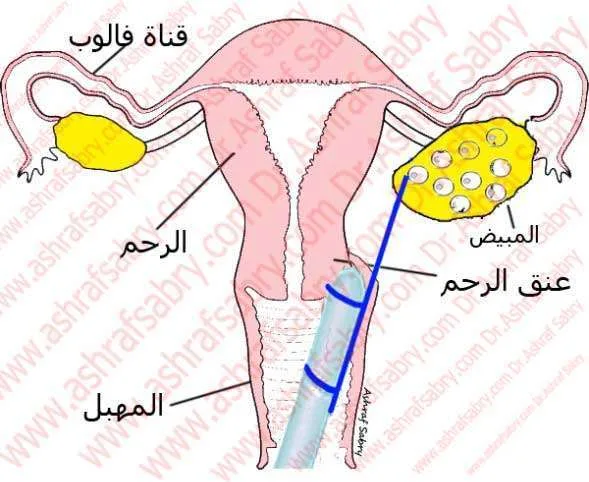
    In the past, eggs were collected by laparoscopy under general anaesthesia. Today, they are collected through the vagina using an ultrasound probe fitted with a fine needle connected to gentle suction. Each follicle is seen on the screen, punctured and its fluid aspirated. The procedure takes about 15–30 minutes under light sedation or anaesthesia, and eggs are recovered from about 80% of follicles. Most women go home after a few hours and start progesterone to prepare the uterine lining.

    Transvaginal egg collection
    Egg collection

    Step 5: In the laboratory

    The follicular fluid is examined under the microscope to find the eggs, which are placed in culture medium containing everything they need. Eggs for ICSI have their surrounding cells removed and are graded by maturity. They are kept in an incubator at body temperature with a carefully controlled mixture of oxygen, carbon dioxide and nitrogen. Meanwhile, the sperm are washed and prepared to select the most motile, healthy sperm.

    Step 6: Fertilization

    Conventional IVF

    Prepared sperm are placed with the eggs in a dish and left in the incubator, so that a sperm penetrates each egg naturally.

    ICSI (intracytoplasmic sperm injection)

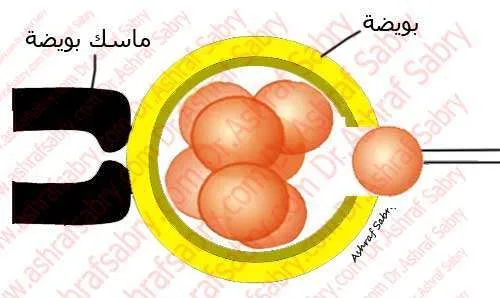
    Under a special microscope magnifying about 400 times, the embryologist uses micromanipulators to handle the egg and sperm. A single sperm is immobilized and drawn into a fine glass needle; the egg is held steady with a holding pipette; and the needle passes through the egg’s shell and membrane to inject the sperm directly into its cytoplasm. ICSI is essential for male factor infertility or previous fertilization failure, and is used for PGT cycles.

    Conventional IVF
    Conventional IVF (in vitro fertilization)
    ICSI
    Intracytoplasmic sperm injection (ICSI)

    Step 7: Embryo development

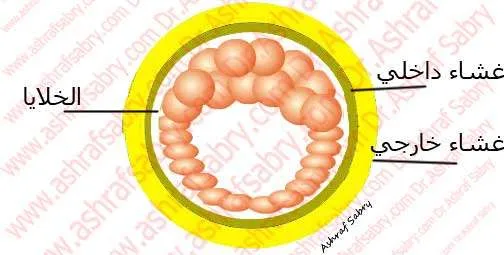
    About 16–18 hours after insemination, the eggs are checked for fertilization: a normally fertilized egg shows two pronuclei, one from the egg and one from the sperm. Embryos are then cultured and graded by the number and evenness of their cells and the amount of fragmentation. Most clinics now culture embryos to day 5 (the blastocyst stage), which allows the strongest embryo to be selected. Time-lapse incubators allow embryos to be monitored without disturbing them.

    Step 8: Embryo transfer

    On day 3 or, more often, day 5, the selected embryo is transferred into the uterus through a fine, soft catheter designed not to harm the embryo or the lining. Under ultrasound guidance, the cervix is gently cleaned and the catheter passed slowly into the uterus to place the embryo at the ideal depth. The procedure takes a few minutes and usually needs no anaesthesia. Bed rest afterwards is not needed.

    The number of embryos transferred depends on the woman’s age, embryo quality and previous attempts. To avoid the risks of twins and higher-order multiples, current guidelines recommend transferring a single blastocyst in most women, especially those under 35, and no more than two in most cases. Remaining good-quality embryos are frozen for future use.

    Embryo transfer
    Embryo transfer to the uterus

    After the transfer

    Progesterone support continues to prepare the lining and support early pregnancy. Normal light activity is fine. About 9–12 days after a blastocyst transfer, a blood test measures the pregnancy hormone (hCG). If positive, an ultrasound about two to three weeks later confirms that the pregnancy is inside the uterus and developing normally. Sometimes hCG rises only slightly and no pregnancy is seen on ultrasound (a biochemical pregnancy), which is a very early loss.

    Risks of IVF

    Multiple pregnancy

    Transferring more than one embryo increases the chance of twins or triplets, which carry higher risks of miscarriage, preterm birth and complications for mother and babies. Single embryo transfer largely prevents this.

    Ovarian hyperstimulation syndrome (OHSS)

    OHSS is an exaggerated response to stimulation drugs, more common in women with PCOS or high AMH. Fluid leaks from blood vessels into the abdomen and sometimes the chest, causing bloating, pain, nausea and vomiting, reduced urine and, in severe cases, breathlessness. Mild cases settle at home with fluids and rest; moderate cases need close monitoring; severe cases need hospital admission for intravenous fluids, prevention of blood clots and, if needed, drainage of abdominal fluid. Modern practice (antagonist protocols, agonist triggers and freezing all embryos) has made severe OHSS rare.

    Egg collection complications

    Rarely, bleeding, injury to a blood vessel or bowel, or pelvic infection can occur.

    Hormone levels during ovarian stimulation
    Hormone levels during ovarian stimulation

    Why IVF may not succeed

    • The woman’s age is the strongest factor, because egg quality and the proportion of chromosomally normal embryos fall with age.
    • Embryo chromosomal abnormalities are the main reason embryos fail to implant or miscarry.
    • The uterine lining may be thin or affected by polyps, adhesions or chronic endometritis.
    • The number of eggs and embryos available, which depends on ovarian reserve.

    After an unsuccessful cycle, a review of the stimulation, the laboratory results and the uterus guides changes for the next attempt. Learn more on our IVF and ICSI page.


    International Guidelines

    In line with global standards, Dr. Sabry follows the latest recommendations from the American Society for Reproductive Medicine (ASRM), European Society of Human Reproduction and Embryology (ESHRE), and Royal College of Obstetricians and Gynaecologists (RCOG). Thus, patients receive care that is safe, ethical, and evidence-based.

    Our Patient Reviews

    Discover what patients say about us on Google Maps, Vezeeta, and WhatClinic.

    Why Choose Dr. Ashraf Sabry?

    Dr. Ashraf Sabry, consultant in obstetrics, gynecology, fertility, and aesthetic gynecology, is recognized among the best OBGYN and fertility specialists in Cairo. With over 20 years of experience, he combines science and compassion to provide world-class care. Book your appointment through the contact page, WhatsApp, or call +201022224442.
  • Male Fertility Tests: Semen Analysis and Beyond

    Male Fertility Tests: Semen Analysis and Beyond

    Semen analysis

    Semen analysis is the first and most important test of male fertility.

    How to give a semen sample

    Abstain from ejaculation for 2–7 days before the test (2–5 days is ideal). The sample should be collected by masturbation, not by interrupted intercourse. If masturbation is difficult, special non-toxic collection condoms can be supplied by the laboratory; ordinary condoms and lubricants should not be used, as they harm sperm. If the sample is collected at home, it must reach the laboratory within one hour, kept at body temperature.

    Collect the whole ejaculate in the sterile container provided, without touching the inside or leaving it open, and make sure no part is lost, especially the first portion, which contains the most sperm. Do not let water, soap or lubricant contact the sample.

    Choose an experienced, accredited laboratory. If a result is abnormal, the test should be repeated, ideally after a few weeks, because sperm parameters naturally vary from sample to sample.

    Basic semen parameters

    The World Health Organization’s 2021 manual gives lower reference limits for fertile men. Results below these limits make infertility more likely but do not prove it, and results above them do not guarantee fertility.

    Volume

    This is the volume of the whole ejaculate, not the number of sperm. The lower reference limit is 1.4 mL. Low volume can result from an incomplete sample, short abstinence, retrograde ejaculation, or problems with the seminal vesicles, prostate or ejaculatory ducts.

    Sperm concentration and total count

    The lower reference limit is 16 million sperm per mL, or 39 million per ejaculate. Concentration is used together with the total count, because ejaculate volume varies from one sample to the next.

    Motility

    Sperm movement is graded as progressive (moving forward, fast or slow), non-progressive (moving but not forward) or immotile. The lower reference limits are 42% total motility and 30% progressive motility.

    Morphology (shape)

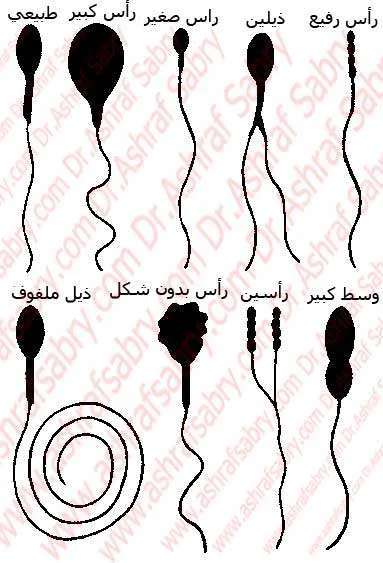
    Most sperm in a normal sample are abnormally shaped. Using strict criteria, 4% or more normal forms is within the reference range. Defects may affect the head (large, small, tapered or irregular), the midpiece, or the tail (split, coiled, very long or absent).

    Vitality

    When motility is very low, a vitality stain checks whether the non-moving sperm are alive; at least 54% should be alive.

    Agglutination

    Sperm clumping together, which impairs movement and can suggest antisperm antibodies.

    White blood cells

    White blood cells (leukocytes) increase with infection or inflammation. Normally there are fewer than 1 million per mL; higher numbers (leukocytospermia) call for further assessment.

    Viscosity and liquefaction

    Semen clots immediately after ejaculation, then liquefies, usually within 15–60 minutes. Abnormally thick semen or delayed liquefaction can hinder sperm movement and may indicate inflammation of the seminal vesicles or prostate.

    pH

    Semen is slightly alkaline (pH 7.2 or more), which protects sperm from vaginal acidity. Acidic semen with low volume suggests blockage of the ejaculatory ducts or absent seminal vesicles.

    Fructose

    Fructose is produced by the seminal vesicles and fuels sperm movement. Its absence suggests absent seminal vesicles or a blockage of the ejaculatory ducts.

    Abnormal sperm shapes
    Abnormal sperm shapes
    Sperm under the microscope
    Sperm under the microscope

    Advanced semen tests

    • Semen culture: used when infection is suspected, for example with high white cell counts or symptoms, to identify the organism and choose the right antibiotic.
    • Computer-assisted semen analysis (CASA): measures sperm movement objectively, reducing human error, though it must be carefully calibrated.
    • Sperm DNA fragmentation: measures damage to the genetic material in sperm. It may help in recurrent miscarriage, repeated IVF failure or unexplained infertility.
    • Antisperm antibody testing: when there is agglutination or a history of testicular injury, surgery or vasectomy reversal.
    • Post-ejaculatory urine: when the volume is low, to check for retrograde ejaculation.
    • Hypo-osmotic swelling test: identifies live sperm with intact membranes, sometimes used to choose sperm for ICSI when all sperm are immotile.

    Older tests, such as the hamster egg penetration test, cervical mucus penetration tests, routine acrosome reaction testing and sperm survival tests, are no longer used in routine practice, because they do not change treatment.

    Examination and ultrasound for varicocele

    A varicocele is a swelling of the veins around the testis caused by weak vein valves, which raises the temperature of the testis and can harm sperm production. The doctor examines the man standing, feeling for the “bag of worms” texture above the testis, which increases when he coughs or strains. Scrotal ultrasound shows the dilated veins and assesses the testes, and colour Doppler shows backflow of blood in the veins when he strains. See varicocele and male infertility.

    Testicular ultrasound
    Testicular ultrasound
    Testicular Doppler
    Testicular Doppler

    Hormone tests

    Testosterone, LH, FSH and prolactin are measured in the blood, usually in the morning. Low testosterone with high FSH and LH indicates a problem in the testes (primary testicular failure). Low testosterone, FSH and LH together suggest a problem with the pituitary or hypothalamus, which is often treatable with hormone injections. Normal hormones in a man with no sperm and normal-sized testes suggest an obstruction or retrograde ejaculation. Raised prolactin can cause low libido and erectile problems.

    Genetic tests

    Men with no sperm or very low counts (under 5 million per mL) are offered a karyotype and Y-chromosome microdeletion testing, and men with absent vasa deferentia cystic fibrosis testing.


    International Guidelines

    In line with global standards, Dr. Sabry follows the latest recommendations from the American Society for Reproductive Medicine (ASRM), European Society of Human Reproduction and Embryology (ESHRE), and Royal College of Obstetricians and Gynaecologists (RCOG). Thus, patients receive care that is safe, ethical, and evidence-based.

    Our Patient Reviews

    Discover what patients say about us on Google Maps, Vezeeta, and WhatClinic.

    Why Choose Dr. Ashraf Sabry?

    Dr. Ashraf Sabry, consultant in obstetrics, gynecology, fertility, and aesthetic gynecology, is recognized among the best OBGYN and fertility specialists in Cairo. With over 20 years of experience, he combines science and compassion to provide world-class care. Book your appointment through the contact page, WhatsApp, or call +201022224442.

  • Intrauterine Insemination (IUI)

    Intrauterine Insemination (IUI)

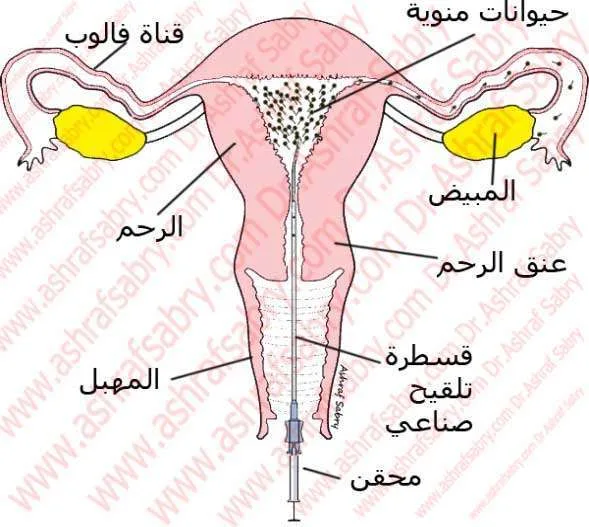
    In intrauterine insemination (IUI), prepared and concentrated sperm are placed directly inside the uterine cavity through a thin catheter passed through the cervix, around the time of ovulation.

    IUI gives a higher chance of pregnancy per cycle than timed intercourse, because the most active sperm are selected and placed close to the egg, often combined with mild stimulation to produce one or two eggs. Success rates are typically around 10–20% per cycle, depending mainly on the woman’s age and the cause of infertility. If three or four cycles do not result in pregnancy, moving on to IVF is usually recommended.

    Who is IUI suitable for?

    • Mild male factor: a modestly low sperm count or motility.
    • Difficulty with intercourse, such as erectile or ejaculation problems, or vaginismus.
    • Cervical factors, including unfavourable mucus.
    • Unexplained infertility in younger women.
    • Mild endometriosis.
    • Ovulation disorders such as PCOS when timed intercourse has not worked.

    At least one fallopian tube must be open, and the sperm count must be adequate after preparation. IUI is not suitable for blocked tubes, severe male factor or reduced ovarian reserve, where IVF is more effective.

    Steps of IUI

    Preparation

    After the treatment, its success rates and risks have been fully explained, both partners are assessed: screening for vaginal, cervical or semen infections, hormone tests and ovarian reserve for the woman, and a semen analysis for the man. A pelvic ultrasound checks for ovarian cysts, hydrosalpinx and the shape of the uterus, and tubal patency is confirmed. Problems such as polyps or fibroids in the uterine cavity should be treated first.

    Ovarian stimulation

    IUI can be done in a natural cycle, but mild stimulation to grow one or two follicles usually improves success. The aim is not to produce many eggs, because that sharply raises the risk of multiple pregnancy. Medications include letrozole or clomiphene tablets, or low-dose gonadotropin (FSH) injections. Clomiphene can thin the lining, alter the cervical mucus and occasionally cause visual disturbances; letrozole is increasingly preferred. See ovarian stimulation and ovulation induction for details of each medicine.

    Monitoring and timing

    During stimulation, transvaginal ultrasound measures the growing follicles, which grow about 1.5–2 mm a day, and the lining, sometimes with estrogen blood tests. When the lead follicle reaches about 17–20 mm and the lining is suitable, an hCG trigger injection is given to complete egg maturation, and IUI is performed about 24–36 hours later. If too many follicles develop, the cycle is cancelled to avoid a multiple pregnancy.

    Sperm preparation

    The semen sample is usually produced by masturbation on the day of IUI. In the laboratory, the sperm are washed with special culture media and separated from the seminal fluid and other cells, using density gradient centrifugation or a “swim-up” technique that selects the most active sperm. The concentrated motile sperm are then drawn into a fine catheter.

    Insemination

    The prepared sperm are placed into the uterine cavity through a thin, soft catheter passed through the cervix. The procedure takes a few minutes, feels similar to a smear test and needs no anaesthesia. Normal activity can be resumed straight away, and a pregnancy test is done about two weeks later.

    Intrauterine insemination
    Intrauterine insemination (IUI)

    Risks of IUI

    Multiple pregnancy

    Stimulation increases the chance of twins or more. Careful monitoring, low doses and cancelling cycles with too many follicles keep this risk low.

    Ovarian hyperstimulation syndrome (OHSS)

    OHSS is an exaggerated response of the ovaries to fertility drugs, more common in women with PCOS. It is rare with the low doses used for IUI. Fluid leaks from blood vessels into the abdomen and sometimes the chest, causing bloating, abdominal pain, nausea and vomiting, reduced urine and, in severe cases, breathlessness.

    • Mild OHSS: mild bloating and discomfort. Managed at home with plenty of fluids, painkillers such as paracetamol and rest; it settles on its own.
    • Moderate OHSS: more pain and swelling, with ultrasound showing fluid in the abdomen. Needs close medical monitoring of fluids, weight and blood tests.
    • Severe OHSS: severe pain, marked abdominal swelling, breathlessness or very little urine. Requires hospital admission for intravenous fluids, close monitoring, prevention of blood clots and, if needed, drainage of abdominal fluid, to protect kidney function.

    Contact the clinic immediately if you have severe pain, marked bloating, vomiting, reduced urine or difficulty breathing.


    International Guidelines

    In line with global standards, Dr. Sabry follows the latest recommendations from the American Society for Reproductive Medicine (ASRM), European Society of Human Reproduction and Embryology (ESHRE), and Royal College of Obstetricians and Gynaecologists (RCOG). Thus, patients receive care that is safe, ethical, and evidence-based.

    Our Patient Reviews

    Discover what patients say about us on Google Maps, Vezeeta, and WhatClinic.

    Why Choose Dr. Ashraf Sabry?

    Dr. Ashraf Sabry, consultant in obstetrics, gynecology, fertility, and aesthetic gynecology, is recognized among the best OBGYN and fertility specialists in Cairo. With over 20 years of experience, he combines science and compassion to provide world-class care. Book your appointment through the contact page, WhatsApp, or call +201022224442.

  • Pelvic Ultrasound in Infertility

    Pelvic Ultrasound in Infertility

    Ultrasound uses sound waves to create images of the internal organs on a screen, without radiation. Standard 2D ultrasound gives black-and-white cross-sectional images, while 3D ultrasound builds detailed three-dimensional pictures. It is the most important first-line imaging test in infertility.

    What ultrasound shows

    For the uterus, ultrasound detects polyps, fibroids and adhesions in the cavity, congenital anomalies and the size of the uterus. It also measures the thickness and pattern of the lining (endometrium), which is especially useful during ovulation treatment or when the lining grows poorly.

    For the ovaries, it helps diagnose polycystic ovaries, functional cysts (follicles that have grown larger than normal), other cysts, a blood-filled corpus luteum cyst, and endometriomas (“chocolate cysts”). An antral follicle count early in the cycle estimates ovarian reserve. During ovulation treatment, it tracks the growing follicles: each appears as a dark, round structure in the ovary that grows by about 1.5–2 mm a day. When it disappears or collapses, ovulation has occurred, and a little fluid may be seen behind the uterus.

    Types of pelvic ultrasound

    Transabdominal ultrasound

    The probe is moved over the lower abdomen. A full bladder is needed to obtain clear images. It is used mainly when a vaginal scan is not suitable.

    Transvaginal ultrasound

    A slim probe is inserted gently into the vagina. Because it is much closer to the uterus and ovaries, it gives far clearer images and more accurate measurements, and it is the standard method in fertility care. It does not require a full bladder.

    3D ultrasound

    Advanced machines build three-dimensional images, which are particularly accurate for assessing the shape of the uterine cavity and diagnosing congenital anomalies such as a septum.

    Doppler ultrasound

    Doppler measures blood flow in vessels, such as to the uterus, the lining, the ovaries and the follicles. It helps assess fibroids, polyps and ovarian cysts, though its value in predicting treatment success is limited.

    Saline sonography (SIS)

    Sterile saline is introduced into the uterus through a thin catheter during a vaginal scan, outlining the cavity clearly to detect polyps, fibroids and adhesions.

    Transvaginal ultrasound
    Transvaginal ultrasound
    Abdominal ultrasound
    Abdominal ultrasound
    Doppler of blood flow around follicles
    Doppler of blood flow around follicles
    Arcuate uterus on ultrasound
    Arcuate uterus
    Adhesions in the uterine cavity on ultrasound
    Adhesions in the uterine cavity
    Bicornuate uterus on ultrasound
    Bicornuate uterus
    Corpus luteum on ultrasound
    Corpus luteum (the remains of the follicle after ovulation)
    Follicles in the ovary on ultrasound
    Follicles in the ovary
    Uterus didelphys on ultrasound
    Double uterus with two cervices
    Endometrium before ovulation
    The lining before ovulation
    Endometrial polyp on ultrasound
    Polyp in the uterine cavity
    Uterine septum on ultrasound
    Septum in the uterine cavity
    Endometrium after ovulation
    The lining after ovulation
    Stimulated ovary on ultrasound
    The ovary after stimulation
    Unicornuate uterus on ultrasound
    Unicornuate uterus
    Doppler of uterine and endometrial blood flow
    Doppler of blood flow in the uterus and lining

    International Guidelines

    In line with global standards, Dr. Sabry follows the latest recommendations from the American Society for Reproductive Medicine (ASRM), European Society of Human Reproduction and Embryology (ESHRE), and Royal College of Obstetricians and Gynaecologists (RCOG). Thus, patients receive care that is safe, ethical, and evidence-based.

    Our Patient Reviews

    Discover what patients say about us on Google Maps, Vezeeta, and WhatClinic.

    Why Choose Dr. Ashraf Sabry?

    Dr. Ashraf Sabry, consultant in obstetrics, gynecology, fertility, and aesthetic gynecology, is recognized among the best OBGYN and fertility specialists in Cairo. With over 20 years of experience, he combines science and compassion to provide world-class care. Book your appointment through the contact page, WhatsApp, or call +201022224442.

  • Fallopian Tube and Pelvic Causes of Infertility

    Fallopian Tube and Pelvic Causes of Infertility

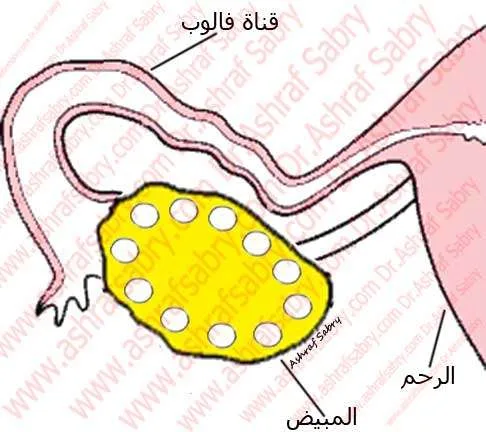
    The fallopian tubes are two narrow tubes, each about 10 cm long, running from either side of the uterus and ending in finger-like fringes (fimbriae). When an ovary releases an egg, the fimbriae pick it up and draw it into the tube. The wider outer part of the tube (the ampulla) is where sperm meet and fertilize the egg; the embryo is then carried towards the uterus by rhythmic muscle contractions and by tiny hair-like cilia lining the tube. Tubal problems prevent the egg from being picked up or sperm from reaching it, and increase the risk of ectopic pregnancy. Tubal factors account for about a quarter to a third of female infertility.

    Struggling to conceive? If natural conception is difficult in your case, IVF and ICSI with Dr. Ashraf Sabry may be the right solution. Learn about the steps, timing and who it suits.

    Infection and adhesions of the tubes and pelvis

    The tubes can become infected by organisms spreading up from the vagina, cervix or uterus, most often sexually transmitted infections such as chlamydia and gonorrhoea, or after childbirth, miscarriage or procedures. Infection can also reach them from elsewhere in the pelvis, for example tuberculosis or a burst appendix.

    Infection can destroy the delicate lining of the tubes, which nourishes the embryo and helps move it to the uterus. It can also cause adhesions between the tubes, uterus, ovaries and pelvic walls, which restrict the tubes’ movement or kink and block them. Sometimes the end of the tube becomes completely blocked and fills with fluid, causing it to swell (hydrosalpinx).

    Adhesions can also follow surgery, such as treatment of an ectopic pregnancy, removal of fibroids, or operations on nearby pelvic organs. Endometriosis is another important cause, because bleeding from endometriosis tissue each month is trapped in the pelvis.

    Impaired tubal function

    Even when the tubes are open, damage to the fimbriae can stop them picking up the egg, and damage to the cilia inside can stop the embryo from being moved to the uterus. Both can result from infection or endometriosis.

    Tumours of the tube or ovary

    Tumours of the fallopian tubes or ovaries can also interfere with how the tubes work.

    Narrowed fallopian tube
    Narrowed fallopian tube
    Hydrosalpinx
    Swollen, fluid-filled fallopian tube (hydrosalpinx)
    Adhesions around the fallopian tube
    Adhesions around the fallopian tube

    Hysterosalpingography (HSG): the tubal dye test

    The doctor injects a special X-ray dye through the cervix. In a normal test, the dye fills the uterine cavity, passes through both tubes and spills freely into the pelvis. HyCoSy, a similar test using ultrasound instead of X-rays, is an alternative.

    What HSG shows

    HSG shows the shape of the uterine cavity, revealing polyps, fibroids, adhesions and congenital anomalies, and shows whether the tubes are open or blocked or swollen (hydrosalpinx). It can also suggest pelvic adhesions if the dye collects in pockets instead of spreading freely. In some women, flushing the tubes with oil-based dye during HSG modestly increases the chance of pregnancy in the following months.

    How it is done

    The test is done shortly after the period ends and before ovulation, once pregnancy, active infection and allergy to iodine contrast have been excluded; antibiotics are sometimes given. With the woman lying on the X-ray table, a thin catheter is passed through the cervix and the dye injected while images are taken. It takes only a few minutes.

    Side effects

    Cramping pain for a short time is common; taking a painkiller beforehand helps. Pelvic infection and allergic reactions to the dye are rare.

    How HSG works
    How the HSG dye test works
    Normal HSG
    Normal HSG
    HSG showing arcuate uterus
    Arcuate uterus on HSG
    HSG showing uterine adhesions
    Adhesions in the uterine cavity on HSG
    HSG showing uterine fibroid
    Fibroid inside the uterus on HSG
    HSG showing bicornuate uterus
    Bicornuate uterus on HSG
    HSG showing hydrosalpinx
    Hydrosalpinx on HSG
    HSG showing unicornuate uterus
    Unicornuate uterus on HSG

    Treatment of tubal problems

    Infection

    Prompt treatment of genital infections with the appropriate antibiotics, ideally including the partner, prevents chronic pelvic inflammation, tubal blockage and damage to the fimbriae.

    Adhesions

    Adhesions around the tubes and ovaries can be divided by laparoscopy.

    Tubal surgery or IVF?

    For most women with significantly damaged or blocked tubes, IVF now offers better pregnancy rates than tubal repair, without the increased risk of ectopic pregnancy that follows surgery. Surgery may still be worthwhile in selected cases:

    • Blockage close to the uterus: can sometimes be opened with a fine catheter passed through the cervix under X-ray or hysteroscopic guidance (tubal cannulation).
    • Mild damage at the outer end: the opening can be re-formed (salpingostomy) or adhesions around the fimbriae freed.
    • Reversal of tubal ligation: the blocked section is removed and the remaining ends rejoined microsurgically. Results are best in younger women with clips or rings rather than extensive removal of tube, and with enough tube remaining.
    • Hydrosalpinx before IVF: a swollen, fluid-filled tube lowers IVF success, because the fluid flows back into the uterus. Removing the tube (salpingectomy) or blocking it close to the uterus before IVF roughly doubles the chance of pregnancy.
    Laparoscopic division of adhesions around the tubes
    Dividing adhesions around the tubes
    Tubal recanalization
    Opening a blocked tube (recanalization)
    Removal of the damaged section of a fallopian tube
    Removing the damaged section of a tube
    Reconnection of the fallopian tube
    Reconnecting the remaining parts of the tube

    International Guidelines

    In line with global standards, Dr. Sabry follows the latest recommendations from the American Society for Reproductive Medicine (ASRM), European Society of Human Reproduction and Embryology (ESHRE), and Royal College of Obstetricians and Gynaecologists (RCOG). Thus, patients receive care that is safe, ethical, and evidence-based.

    Our Patient Reviews

    Discover what patients say about us on Google Maps, Vezeeta, and WhatClinic.

    Why Choose Dr. Ashraf Sabry?

    Dr. Ashraf Sabry, consultant in obstetrics, gynecology, fertility, and aesthetic gynecology, is recognized among the best OBGYN and fertility specialists in Cairo. With over 20 years of experience, he combines science and compassion to provide world-class care. Book your appointment through the contact page, WhatsApp, or call +201022224442.
  • Azoospermia: No Sperm in the Semen

    Azoospermia: No Sperm in the Semen

    Azoospermia means there are no sperm in the ejaculate. It affects about 1% of all men and 10–15% of infertile men. There are two main groups: obstructive, where the testes produce sperm but a blockage prevents them from reaching the semen, and non-obstructive, where the testes produce few or no sperm.

    Struggling to conceive? If natural conception is difficult in your case, IVF and ICSI with Dr. Ashraf Sabry may be the right solution. Learn about the steps, timing and who it suits.

    Obstructive azoospermia (normal testes)

    Blocked vas deferens or epididymis

    The vas deferens carries sperm from the testis to mix with fluid from the seminal vesicles and prostate. A blockage traps the sperm, so they are absent or very few in the semen. The volume of semen may be normal, because most of the fluid comes from the seminal vesicles and prostate, not the testes. Blockages usually result from infection of the ducts (sexually transmitted, urinary or general), which causes scarring, or from injury during groin surgery such as hernia or varicocele repair. A vasectomy deliberately cuts the vas for contraception.

    Congenital absence of the vas deferens

    Some men are born without one or both vasa deferentia, sometimes with absent seminal vesicles. Congenital bilateral absence of the vas is strongly linked to cystic fibrosis gene mutations, so both partners should be tested before treatment.

    Retrograde ejaculation

    If the muscle at the bladder neck does not close during orgasm, semen flows back into the bladder instead of out of the penis. Causes include congenital problems, nerve or spinal cord injury, pelvic fractures, prostate or bladder neck surgery, diabetes and certain medications. The ejaculate then contains few or no sperm.

    Blocked vas deferens
    Blocked vas deferens
    Cut vas deferens
    Cut vas deferens
    Absent vas deferens
    Absent vas deferens
    Absent vas deferens and seminal vesicle
    Absent vas deferens and seminal vesicle

    Non-obstructive azoospermia (testicular failure)

    • Genetic causes: Klinefelter syndrome (47,XXY) is the most common; Y-chromosome microdeletions (AZF regions) are another; very rarely the testes are absent from birth.
    • Infections: mumps orchitis after puberty, sexually transmitted infections and other genital infections can damage the testes.
    • Radiation, accidental or therapeutic, depending on dose and duration.
    • Chemicals and drugs, including chemotherapy, petroleum products, toxic fumes and lead, and anabolic steroids or testosterone.
    • Undescended testes: the testis normally descends from the abdomen into the scrotum before birth. If it stays in the abdomen or groin, the higher temperature damages it and increases the risk of cancer. It should be brought down surgically in early childhood (ideally by 12–18 months); if this is not possible, it may need removal. A “retractile” testis that moves up and down in young boys is a normal variant.
    • Hormonal causes: low FSH and LH from the pituitary (hypogonadotropic hypogonadism), which is very treatable.
    The testis
    The testis
    Human sperm
    Sperm

    Diagnosing the cause

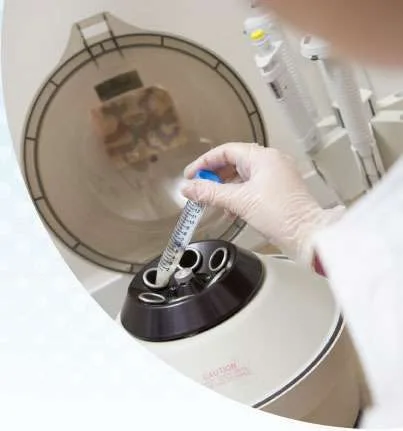
    The aim is to distinguish a problem with sperm production from a problem with sperm transport. Semen analysis should be repeated, and the sample centrifuged to look for even a few sperm.

    Checking for ejaculation problems

    A low semen volume suggests retrograde ejaculation or a duct obstruction. Examining a urine sample taken right after orgasm for sperm confirms retrograde ejaculation.

    Hormone tests

    Testosterone, LH, FSH and prolactin are measured. Low testosterone with high FSH and LH indicates testicular failure. Low testosterone, FSH and LH together suggest a pituitary or hypothalamic problem. Normal hormones with normal-sized testes suggest an obstruction or retrograde ejaculation. High prolactin can cause erectile problems and suppress sperm production.

    Imaging

    Scrotal ultrasound assesses the testes and epididymis, and transrectal ultrasound can show blockage of the ejaculatory ducts or absent seminal vesicles. Vasography (X-ray with dye injected into the vas) is now rarely used on its own, and is usually performed only during reconstructive surgery.

    Vasography
    X-ray dye study of the vas deferens (vasography)

    Genetic tests

    Karyotype and Y-chromosome microdeletion testing are recommended for men with non-obstructive azoospermia or very low counts, and cystic fibrosis testing for men with absent vasa.

    Karyotype
    Karyotype (chromosome analysis)

    Testicular sperm retrieval

    Testicular biopsy is now combined with sperm retrieval, so that any sperm found can be used for ICSI at the same time or frozen for later. Under local or general anaesthesia, small samples are taken from the testis and examined by the embryologist. Because sperm production can be patchy, microdissection TESE (micro-TESE), using an operating microscope to find the areas most likely to contain sperm, gives the best results in non-obstructive azoospermia.

    Testicular biopsy
    Testicular biopsy

    Treatment

    • Obstruction after vasectomy or injury: microsurgical vasectomy reversal (vasovasostomy) or bypass of an epididymal blockage (vasoepididymostomy) can restore sperm in the semen and allow natural conception, with good results in experienced hands. Alternatively, sperm can be retrieved surgically for ICSI.
    • Ejaculatory duct obstruction: can be opened by a transurethral procedure.
    • Retrograde ejaculation: medication to tighten the bladder neck, or sperm recovered from urine for IUI or ICSI.
    • Hormonal causes: hCG and FSH injections restore sperm production in most men.
    • Testicular failure: micro-TESE with ICSI. Sperm are found in about half of men, including many with Klinefelter syndrome. Sperm can be frozen at the time of retrieval so that the procedure does not need repeating.

    International Guidelines

    In line with global standards, Dr. Sabry follows the latest recommendations from the American Society for Reproductive Medicine (ASRM), European Society of Human Reproduction and Embryology (ESHRE), and Royal College of Obstetricians and Gynaecologists (RCOG). Thus, patients receive care that is safe, ethical, and evidence-based.

    Our Patient Reviews

    Discover what patients say about us on Google Maps, Vezeeta, and WhatClinic.

    Why Choose Dr. Ashraf Sabry?

    Dr. Ashraf Sabry, consultant in obstetrics, gynecology, fertility, and aesthetic gynecology, is recognized among the best OBGYN and fertility specialists in Cairo. With over 20 years of experience, he combines science and compassion to provide world-class care. Book your appointment through the contact page, WhatsApp, or call +201022224442.

  • Ovarian Causes of Female Infertility and Ovulation Tests

    Ovarian Causes of Female Infertility and Ovulation Tests

    The two ovaries, one on each side of the pelvis near the end of each fallopian tube, are the source of eggs and female hormones, and are therefore central to fertility. Ovarian problems can prevent the release of a healthy egg ready for fertilization. Ovulation disorders account for about a quarter of female infertility.

    Polycystic ovary syndrome (PCOS)

    PCOS is the most common cause of absent ovulation. It involves raised LH, male hormones and insulin, and is diagnosed when at least two of the following are present: irregular or absent ovulation, signs of excess male hormones, and polycystic ovaries on ultrasound (or a raised AMH). See our full chapter on polycystic ovary syndrome.

    Premature ovarian insufficiency

    A woman is born with about one to two million egg follicles, around 300,000–400,000 remain at puberty, and the number falls steadily. In premature ovarian insufficiency (POI), ovarian function is lost before age 40, causing irregular or absent periods and infertility. Estrogen falls and FSH rises. Causes include genetic conditions (such as Turner syndrome and Fragile X premutation), autoimmune disease, pelvic surgery and chemotherapy or radiotherapy, though often no cause is found. Hormone replacement therapy is recommended until the natural age of menopause to protect the bones and heart. Some women still ovulate occasionally, so early assessment and prompt treatment give the best chance of conceiving.

    Egg abnormalities

    Some eggs have structural abnormalities, such as a thickened outer shell (zona pellucida), which can hinder fertilization or later hatching of the embryo. These problems are often only revealed during IVF, and ICSI bypasses most fertilization problems.

    Luteal phase deficiency

    After ovulation, the remaining follicle becomes the corpus luteum, which produces progesterone to prepare the uterine lining for implantation. It was once thought that insufficient progesterone was a common cause of infertility. Current evidence shows there is no reliable test to diagnose it, and ASRM no longer considers it an independent cause of infertility; progesterone support is, however, routinely given after IVF embryo transfer.

    Functional cysts

    Sometimes a follicle fails to release its egg at ovulation, because of hormonal imbalance, and continues to grow into a functional cyst. This can disturb ovarian function for a while. Most functional cysts resolve on their own within one to three cycles.

    Luteinized unruptured follicle

    In this condition, the follicle matures but the egg stays trapped inside instead of being released.

    Resistant ovary syndrome

    Rarely, the ovaries contain follicles but do not respond to FSH and LH from the pituitary or to fertility drugs, for reasons that are not fully understood.

    Ovarian cyst
    Ovarian cyst

    Tests to confirm ovulation

    Regular periods

    Regular cycles between 21 and 35 days, varying by only a few days from month to month, usually indicate ovulation, but are not proof on their own.

    Symptoms of ovulation

    Some women feel one-sided lower abdominal pain at mid-cycle around ovulation, sometimes with slight spotting. This is supportive but not proof of ovulation.

    Ultrasound follicle tracking

    Transvaginal ultrasound shows the follicle as a dark, round structure in the ovary that grows by about 1.5–2 mm a day. When it disappears or collapses, ovulation has occurred, and a small amount of fluid released from the follicle may be seen behind the uterus.

    Dominant follicle on ultrasound
    A large follicle on ultrasound

    Mid-luteal progesterone

    A blood test about seven days before the expected period (day 21 of a 28-day cycle) is the standard test: a raised progesterone level confirms that ovulation has occurred, because progesterone is produced by the corpus luteum after the egg is released.

    Ovulation predictor kits

    Urine test strips detect the LH surge 24–36 hours before ovulation, helping couples time intercourse.

    Basal body temperature

    Temperature taken every morning before getting up rises slightly after ovulation under the effect of progesterone and stays higher until the period. This method is no longer recommended for diagnosis, because it is unreliable, it only shows ovulation after it has happened, and temperature can rise for other reasons such as infections.

    Basal body temperature chart
    Basal body temperature chart

    Cervical mucus

    Cervical mucus changes through the cycle under hormonal influence: scanty and thick after a period, then abundant, clear, slippery and stretchy in the days before ovulation, and thick again afterwards. Women can learn to recognize their fertile mucus to time intercourse. The cervix also rises, softens and opens slightly near ovulation. Microscopic examination of dried mucus (the “fern” pattern) was used in the past but is no longer needed.

    Stretchy cervical mucus
    Cervical mucus
    Ferning of cervical mucus under the microscope
    Cervical mucus under the microscope

    Treatment of ovarian causes

    • Absent or irregular ovulation: ovulation induction, with letrozole first-line in PCOS, and gonadotropin injections when needed. See ovarian stimulation and ovulation induction.
    • Premature ovarian insufficiency: hormone replacement therapy to protect long-term health, with prompt fertility assessment if pregnancy is desired. Women at risk of early ovarian failure can consider egg freezing while ovarian reserve remains.
    • Functional cysts: most resolve on their own, so they are usually monitored with repeat ultrasound. Surgery is reserved for cysts that persist, are large, cause symptoms or look complex, and should preserve as much healthy ovarian tissue as possible.
    • Luteal support: progesterone is given after IVF transfer and in some stimulated cycles.
    Medical treatment
    Medical treatment

    International Guidelines

    In line with global standards, Dr. Sabry follows the latest recommendations from the American Society for Reproductive Medicine (ASRM), European Society of Human Reproduction and Embryology (ESHRE), and Royal College of Obstetricians and Gynaecologists (RCOG). Thus, patients receive care that is safe, ethical, and evidence-based.

    Our Patient Reviews

    Discover what patients say about us on Google Maps, Vezeeta, and WhatClinic.

    Why Choose Dr. Ashraf Sabry?

    Dr. Ashraf Sabry, consultant in obstetrics, gynecology, fertility, and aesthetic gynecology, is recognized among the best OBGYN and fertility specialists in Cairo. With over 20 years of experience, he combines science and compassion to provide world-class care. Book your appointment through the contact page, WhatsApp, or call +201022224442.
  • Uterine Causes of Female Infertility

    Uterine Causes of Female Infertility

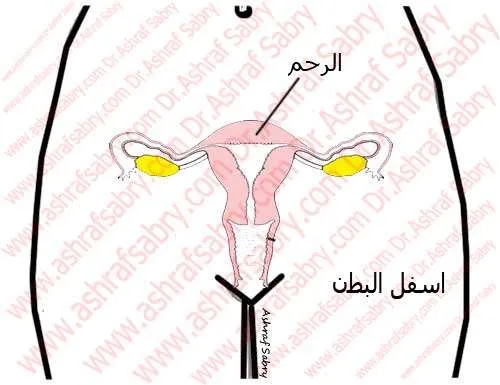
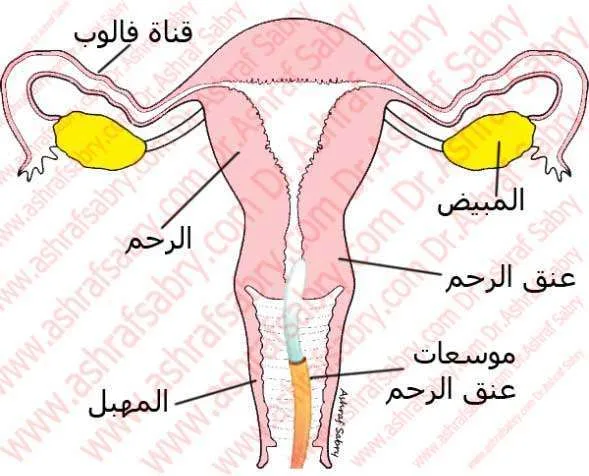
    The uterus is a hollow, pear-shaped muscular organ in the lower abdomen, above the vagina. It provides the passage for sperm to reach the egg and later receives the fertilized egg so it can implant. It is lined by the endometrium, which thickens each month in response to female hormones; if pregnancy does not occur, the extra lining is shed as the period. Uterine problems can block sperm from reaching the egg or prevent the embryo from implanting.

    Position of the uterus

    In about 80% of women the uterus tilts forward (anteverted) and in about 20% it tilts backwards (retroverted). Both are normal and do not usually affect fertility, unless a retroverted uterus is fixed in place by adhesions from endometriosis or pelvic infection; in that case the underlying condition is what affects fertility.

    Size of the uterus

    A markedly underdeveloped (hypoplastic) uterus, usually due to congenital or hormonal causes, can be associated with infertility or pregnancy loss.

    Congenital uterine anomalies

    Some women are born with differences in the shape of the uterus, such as a septum dividing the cavity (septate uterus), a heart-shaped uterus (bicornuate), a single-horned uterus (unicornuate), sometimes with a small extra horn, a double uterus (didelphys), or a slight indentation at the top of the cavity (arcuate uterus, usually a normal variant). A septum is the anomaly most linked to miscarriage and reduced fertility. These anomalies are best diagnosed with 3D ultrasound, MRI or hysteroscopy.

    Adhesions inside the uterus (Asherman syndrome)

    Scar tissue inside the uterine cavity can narrow or block it, making it difficult for an embryo to implant, and often causes very light or absent periods. It usually follows vigorous curettage after miscarriage or childbirth, or infection of the lining.

    Thin endometrium

    A lining that stays thin (generally under 7 mm at mid-cycle) is associated with lower implantation rates. It can follow damage to the basal layer of the lining from previous curettage or infection, or result from hormonal problems.

    Infection and inflammation of the lining

    Infection of the endometrium, for example by tuberculosis, or chronic endometritis, can impair implantation, and severe or untreated infection can cause scarring and adhesions as the body heals.

    Anteverted uterus
    Uterus tilted forward (anteverted)
    Retroverted uterus
    Uterus tilted backward (retroverted)
    Normal uterus
    Normal uterus
    Hypoplastic uterus
    Small (hypoplastic) uterus
    Uterine septum
    Uterine septum
    Unicornuate uterus
    Single-horned (unicornuate) uterus
    Bicornuate uterus
    Bicornuate uterus
    Uterus didelphys
    Double uterus and cervix (didelphys)
    Arcuate uterus
    Arcuate uterus
    Asherman syndrome
    Adhesions in the uterine cavity (Asherman syndrome)

    Treatment of uterine problems

    Thin endometrium

    The lining may be improved with estrogen treatment, particularly in frozen embryo transfer cycles, and by treating any underlying cause such as adhesions or chronic endometritis. Other treatments are being studied, but evidence for them is still limited.

    Infection and chronic endometritis

    Infections are treated with the appropriate antibiotics once the organism is identified. Prompt treatment matters, to prevent scarring and adhesions. Genital tuberculosis needs a full course of anti-TB treatment.

    Uterine septum

    A septum is removed by hysteroscopy, a minor procedure that restores a normal cavity, particularly recommended for women with miscarriage or infertility.

    Rudimentary horn

    A small extra horn with a cavity is removed, usually by laparoscopy, because a pregnancy implanting in it can rupture.

    Asherman syndrome

    Adhesions are divided under direct vision using hysteroscopy, followed by estrogen treatment to help the lining regrow and, often, a follow-up hysteroscopy to check the result.

    Hysteroscopic division of uterine adhesions
    Hysteroscopic division of adhesions in the uterine cavity
    Hysteroscopic removal of a uterine septum
    Hysteroscopic removal of a uterine septum

    International Guidelines

    In line with global standards, Dr. Sabry follows the latest recommendations from the American Society for Reproductive Medicine (ASRM), European Society of Human Reproduction and Embryology (ESHRE), and Royal College of Obstetricians and Gynaecologists (RCOG). Thus, patients receive care that is safe, ethical, and evidence-based.

    Our Patient Reviews

    Discover what patients say about us on Google Maps, Vezeeta, and WhatClinic.

    Why Choose Dr. Ashraf Sabry?

    Dr. Ashraf Sabry, consultant in obstetrics, gynecology, fertility, and aesthetic gynecology, is recognized among the best OBGYN and fertility specialists in Cairo. With over 20 years of experience, he combines science and compassion to provide world-class care. Book your appointment through the contact page, WhatsApp, or call +201022224442.

  • Polycystic Ovary Syndrome (PCOS)

    Polycystic Ovary Syndrome (PCOS)

    Polycystic ovary syndrome (PCOS) is a common hormonal disorder, affecting about 1 in 8 women of reproductive age, with effects throughout the body. It involves raised levels of LH from the pituitary, male hormones (androgens) and insulin.

    Diagnosis

    PCOS is diagnosed using the Rotterdam criteria, which require at least two of the following three features, after other causes have been excluded:

    • Irregular or absent ovulation, shown by infrequent or irregular periods.
    • Signs of excess androgens, either clinically (excess hair, acne) or on blood tests.
    • Polycystic ovaries on ultrasound (20 or more small follicles in one ovary, or an enlarged ovary), or a raised AMH level.

    Symptoms and associated problems

    • Irregular or infrequent periods.
    • Absent ovulation, causing difficulty conceiving.
    • Raised male hormones, driven by high insulin and LH, causing excess facial and body hair, acne and oily skin.
    • A raised LH-to-FSH ratio, and sometimes mildly raised prolactin.
    • Insulin resistance, so insulin levels rise.
    • Weight gain, especially around the waist (though many women with PCOS are not overweight).
    • Many small follicles around the edge of the ovary, like a “string of pearls”, often with enlarged ovaries.
    • A higher long-term risk of type 2 diabetes, high blood pressure, high cholesterol and heart disease.
    • A higher risk of endometrial cancer, from long-term estrogen exposure without regular periods.
    • A higher risk of pregnancy complications such as gestational diabetes.
    Polycystic ovary
    Polycystic ovary

    Tests

    Transvaginal ultrasound

    Ultrasound shows many small follicles (2–9 mm) arranged around the edge of the ovary, often with an enlarged ovarian volume. It is not needed for diagnosis in adolescents, because many young women have this appearance normally.

    Ultrasound showing polycystic ovary
    Ultrasound showing a polycystic ovary

    Hormone tests

    Testosterone is often raised, LH may be high relative to FSH, and AMH is usually higher than normal. Prolactin, thyroid function and, where appropriate, 17-OH progesterone are checked to exclude other causes. Screening for diabetes and cholesterol is also recommended.

    Treatment

    Weight and lifestyle

    For women who are overweight, losing even 5–10% of body weight can restore ovulation and increase pregnancy rates. Very thin women with absent periods should restore a healthy weight.

    Ovulation induction

    Letrozole is now the first-line medication for women with PCOS trying to conceive, with higher ovulation and live birth rates than clomiphene. Clomiphene, sometimes with metformin, is an alternative. Women who do not respond can use low-dose gonadotropin injections with careful ultrasound monitoring.

    Metformin

    Metformin improves the body’s response to insulin. It can help regulate cycles and is useful combined with clomiphene in women who do not respond to it, but on its own it is less effective than letrozole for achieving pregnancy.

    Excess hair and acne

    Excess hair can be managed with laser or other hair removal methods, and, in women not trying to conceive, with the combined pill and anti-androgen medication.

    Laparoscopic ovarian drilling

    Ovarian drilling, using heat or laser to make small punctures in the ovary’s surface, is a second-line option for women who do not respond to ovulation tablets. It must be done by an experienced surgeon, because excessive treatment can damage the ovarian reserve.

    Women not trying to conceive

    The combined pill, or progesterone every few months to bring on a period, protects the uterine lining from the risk of endometrial cancer.

    IVF

    IVF is used when other treatments fail or there are additional fertility problems. Women with PCOS are at higher risk of ovarian hyperstimulation syndrome (OHSS), so they are treated with an antagonist protocol, a GnRH agonist trigger and, if needed, freezing all embryos for a later transfer.

    Laparoscopic ovarian drilling
    Laparoscopic ovarian drilling
    Medical treatment
    Medical treatment

    Learn more on our PCOS treatment page.


    International Guidelines

    In line with global standards, Dr. Sabry follows the latest recommendations from the American Society for Reproductive Medicine (ASRM), European Society of Human Reproduction and Embryology (ESHRE), and Royal College of Obstetricians and Gynaecologists (RCOG). Thus, patients receive care that is safe, ethical, and evidence-based.

    Our Patient Reviews

    Discover what patients say about us on Google Maps, Vezeeta, and WhatClinic.

    Why Choose Dr. Ashraf Sabry?

    Dr. Ashraf Sabry, consultant in obstetrics, gynecology, fertility, and aesthetic gynecology, is recognized among the best OBGYN and fertility specialists in Cairo. With over 20 years of experience, he combines science and compassion to provide world-class care. Book your appointment through the contact page, WhatsApp, or call +201022224442.

  • Problems Delivering Sperm: Erection, Ejaculation and Anatomy

    Problems Delivering Sperm: Erection, Ejaculation and Anatomy

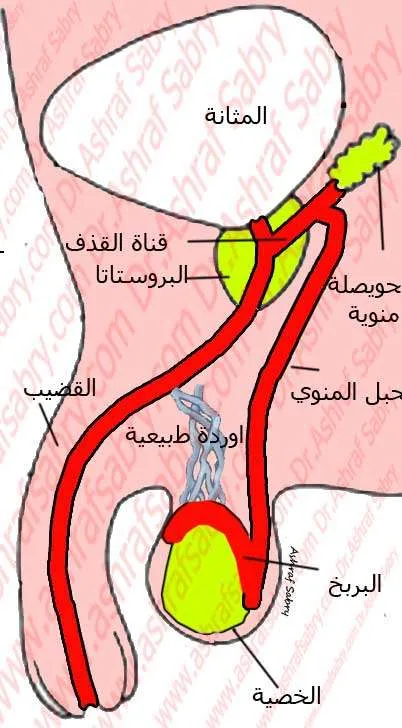
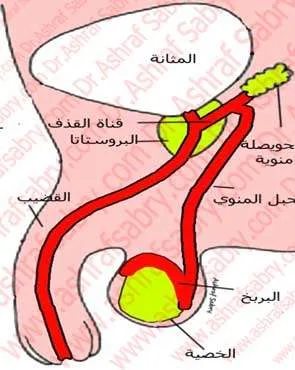
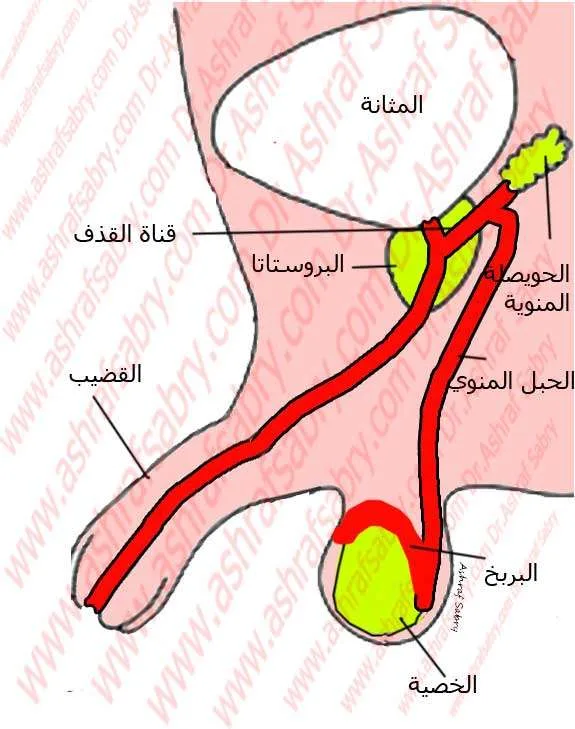
    Sperm made in the testes pass through the epididymis and vas deferens, mix with fluid from the seminal vesicles and prostate, and are ejaculated through the erect penis into the upper vagina. Problems with any step of this delivery, or with the ducts, can prevent sperm from reaching the egg.

    Struggling to conceive? If natural conception is difficult in your case, IVF and ICSI with Dr. Ashraf Sabry may be the right solution. Learn about the steps, timing and who it suits.

    Timing and frequency of intercourse

    Pregnancy can be delayed if intercourse does not happen during the fertile window, the five days before ovulation and the day of ovulation. Infrequent intercourse lowers the chance of hitting this window. Current advice is intercourse every two to three days throughout the cycle, or daily or every other day around ovulation; frequent ejaculation does not harm sperm quality in most men.

    No particular sexual position increases the chance of pregnancy, as long as ejaculation occurs inside the vagina, and there is no evidence that lying down afterwards helps. Avoid lubricants that may harm sperm, unless they are labelled fertility-friendly.

    Erectile dysfunction

    Erectile problems can prevent intercourse and therefore conception. Causes include psychological factors (depression, relationship conflict, general or performance anxiety), nerve disorders, blood vessel disease (from diabetes, high blood pressure, high cholesterol, smoking and obesity), certain medications (some blood pressure drugs, stomach-ulcer drugs, hormone treatments, antidepressants and antipsychotics), and hormonal problems such as low testosterone or high prolactin.

    Abnormal position of the urethral opening (hypospadias)

    Normally the urethra opens at the tip of the penis. In hypospadias, it opens on the underside of the penis. If the opening is far from the tip, semen may not be deposited high in the vagina, which can delay pregnancy.

    Penile curvature

    Curvature of the penis, whether congenital or acquired (Peyronie’s disease) or after previous surgery, can make penetration difficult or impossible.

    Retrograde ejaculation

    Normally, during orgasm, the muscle at the bladder neck closes to stop semen flowing back into the bladder. In retrograde ejaculation, this muscle does not close properly, and semen passes into the bladder instead of out through the penis, so little or no semen is ejaculated. Causes include congenital abnormalities, nerve or spinal cord injury, pelvic fractures, prostate, bladder neck or pelvic surgery, diabetes and certain medications (such as alpha-blockers for the prostate).

    Flaccid penis
    Flaccid penis
    Erect penis
    Erect penis
    Hypospadias
    Urethral opening on the underside of the penis (hypospadias)
    Penile curvature
    Curvature of the penis
    Normal direction of ejaculation
    Normal direction of ejaculation
    Retrograde ejaculation into the bladder
    Semen flowing back into the bladder (retrograde ejaculation)

    Medical treatment

    Erectile dysfunction

    Underlying conditions such as diabetes, thyroid disease and high prolactin are treated first; high prolactin responds to cabergoline. Lifestyle changes (stopping smoking, losing weight, exercise) help, and counselling or sex therapy is valuable when psychological factors are involved. PDE5 inhibitors such as sildenafil and tadalafil are the first-line medication and are safe for men trying to conceive. Injections into the penis are an option if tablets do not work. Testosterone replacement should be avoided in men trying to conceive, as it suppresses sperm production.

    Premature ejaculation

    Premature ejaculation is managed with behavioural techniques (the stop-start and squeeze methods, and pelvic floor exercises), medications such as dapoxetine or other SSRIs, and local anaesthetic sprays or creams. Treating any infection or erectile problem and involving both partners in counselling also helps. Surgical cutting of the penile nerves is not recommended, because it can cause permanent loss of sensation.

    Retrograde ejaculation

    Medications that tighten the bladder neck (sympathomimetics such as pseudoephedrine or imipramine) can restore normal ejaculation in some men, particularly those with diabetes. Stopping any responsible medication may also help.

    Medical treatment
    Medical treatment

    Procedures and assisted reproduction

    • Retrograde ejaculation: if medication does not help, sperm can be recovered from urine passed straight after orgasm (after making the urine less acidic) and used for IUI or ICSI.
    • Hypospadias and penile curvature: these can be corrected surgically if they prevent intercourse; alternatively, IUI places sperm directly in the uterus.
    • Anejaculation (no ejaculation, for example after spinal cord injury): penile vibratory stimulation or electroejaculation can obtain semen for insemination or ICSI, and sperm can also be retrieved directly from the testis.
    • Severe erectile dysfunction: vacuum devices or a penile prosthesis may be used, and for conception, semen can be collected and used for IUI or IVF.
    Electroejaculation
    Electroejaculation
    Vacuum erection device
    Vacuum erection device

    International Guidelines

    In line with global standards, Dr. Sabry follows the latest recommendations from the American Society for Reproductive Medicine (ASRM), European Society of Human Reproduction and Embryology (ESHRE), and Royal College of Obstetricians and Gynaecologists (RCOG). Thus, patients receive care that is safe, ethical, and evidence-based.

    Our Patient Reviews

    Discover what patients say about us on Google Maps, Vezeeta, and WhatClinic.

    Why Choose Dr. Ashraf Sabry?

    Dr. Ashraf Sabry, consultant in obstetrics, gynecology, fertility, and aesthetic gynecology, is recognized among the best OBGYN and fertility specialists in Cairo. With over 20 years of experience, he combines science and compassion to provide world-class care. Book your appointment through the contact page, WhatsApp, or call +201022224442.

  • Endometriosis and Infertility

    Endometriosis and Infertility

    The uterus is lined by the endometrium, which thickens each month in response to female hormones so a fertilized egg can implant; if pregnancy does not occur, it is shed as the period. In endometriosis, tissue similar to the endometrium grows outside the uterus: on the ovaries, the pelvic lining, the bowel, the bladder, the vagina and, rarely, more distant sites. This tissue also responds to the monthly hormones. Normally the shed lining leaves the body as menstrual blood, but in endometriosis the bleeding is trapped inside the body, causing inflammation and adhesions in the affected area.

    Endometriosis may appear as dark or bluish spots on the pelvic surfaces, or as a cyst in the ovary filled with old dark blood, known as an endometrioma or “chocolate cyst”. It affects about 1 in 10 women of reproductive age and is found in up to half of women with infertility.

    The exact cause is unknown. The best-known theory is retrograde menstruation, in which menstrual blood flows backwards through the fallopian tubes into the pelvis, but immune, genetic and hormonal factors also play a role.

    Symptoms

    Some women have no symptoms. Others have painful periods, typically starting before the period and continuing or worsening during it, pelvic pain through the month, pain during intercourse, and sometimes pain with bowel movements or urination around the period. Endometriosis can cause infertility through adhesions that stop the tube from picking up the egg, and indirectly through effects on egg quality, fertilization and implantation.

    Diagnosis

    Symptoms alone are not specific. An experienced transvaginal ultrasound can identify endometriomas and deep endometriosis, and MRI can map more extensive disease. Current ESHRE guidance allows diagnosis and treatment to start on the basis of symptoms and imaging, without needing laparoscopy. Laparoscopy remains useful when imaging is normal but symptoms persist, or when surgery is planned anyway, as it allows diagnosis and treatment at the same time.

    Normal endometrium and endometriosis
    Normal endometrium and endometriosis

    Treatment

    Medical treatment

    Endometriosis responds to estrogen and progesterone. Hormonal treatments suppress the disease and relieve pain in women who are not trying to conceive: the combined contraceptive pill taken continuously, progestogens such as dienogest, GnRH agonists or newer oral GnRH antagonists (with “add-back” hormones to protect the bones). Danazol, used in the past, has largely been abandoned because of its male-hormone side effects. Painkillers are used for pain alone. Hormonal treatments prevent pregnancy while taken and do not improve fertility afterwards, so they are not used to treat endometriosis-related infertility.

    Surgical treatment

    In women trying to conceive, laparoscopic removal of endometriosis from the pelvis can improve natural pregnancy rates in mild to moderate disease. Surgery for ovarian endometriomas needs careful judgement, because removing a cyst can also remove healthy ovarian tissue and lower the egg reserve (AMH); the decision depends on cyst size, symptoms, age and ovarian reserve, and draining the cyst under ultrasound guidance is an option in selected cases.

    IVF

    IVF (with or without ICSI) is recommended for moderate to severe endometriosis, when the tubes are damaged, when other factors are present, when the woman is older, or when surgery has not led to pregnancy.

    Laparoscopic excision of endometriosis
    Laparoscopic excision of endometriosis

    Learn more on our endometriosis treatment page.


    International Guidelines

    In line with global standards, Dr. Sabry follows the latest recommendations from the American Society for Reproductive Medicine (ASRM), European Society of Human Reproduction and Embryology (ESHRE), and Royal College of Obstetricians and Gynaecologists (RCOG). Thus, patients receive care that is safe, ethical, and evidence-based.

    Our Patient Reviews

    Discover what patients say about us on Google Maps, Vezeeta, and WhatClinic.

    Why Choose Dr. Ashraf Sabry?

    Dr. Ashraf Sabry, consultant in obstetrics, gynecology, fertility, and aesthetic gynecology, is recognized among the best OBGYN and fertility specialists in Cairo. With over 20 years of experience, he combines science and compassion to provide world-class care. Book your appointment through the contact page, WhatsApp, or call +201022224442.

  • Causes of Low Sperm Production and Their Treatment

    Causes of Low Sperm Production and Their Treatment

    The testes produce sperm, which pass into the epididymis and then the vas deferens, mix with fluid from the seminal vesicles and prostate, and are ejaculated through the penis into the upper vagina. Male factors contribute to about 40–50% of infertility in couples, either through problems with sperm production, problems delivering sperm, or other causes.

    According to the World Health Organization (2021), the lower reference limits for a fertile man are a semen volume of 1.4 mL, a sperm concentration of 16 million per mL, total motility of 42% (progressive 30%) and at least 4% normal forms. Most men have many abnormally shaped sperm; this is normal.

    Problems with the hormones that control the testes

    Sperm and testosterone production are controlled by glands in the brain. The hypothalamus releases GnRH, which stimulates the pituitary to release FSH and LH. LH drives the Leydig cells to produce testosterone, and testosterone together with FSH drives the seminiferous tubules to produce mature sperm. Problems with these glands lead to low or absent sperm production (hypogonadotropic hypogonadism).

    Congenital causes

    For example, Kallmann syndrome, in which GnRH is not produced, often with a reduced sense of smell.

    Acquired damage

    Damage to the hypothalamus or pituitary from injury, surgery, radiation, tumours or certain medications. The most common acquired cause today is the use of testosterone or anabolic steroids, which switch off FSH and LH.

    Problems in the testes themselves

    The testes sit in the scrotum, outside the body, because they need a lower temperature to produce sperm efficiently. Conditions affecting the testes can reduce sperm production:

    • Unknown (idiopathic) causes, which account for a large share of cases.
    • Genetic causes, such as Klinefelter syndrome (47,XXY) and Y-chromosome microdeletions, which are tested for when the sperm count is very low.
    • Radiation, accidental or therapeutic, which can shrink the testes; the damage depends on the dose and duration.
    • Chemicals and drugs, such as chemotherapy, petroleum products, toxic fumes and lead; the damage depends on the dose and duration of exposure.
    • Heat, for example in men who work near furnaces or in the iron and steel industry.
    • Direct injury to the testes.
    • Varicocele, a swelling of the veins around the testis that raises its temperature and harms sperm count, motility and shape.
    • Testicular torsion, in which the testis twists on its cord, cutting off its blood supply; it is a surgical emergency, and delay can lead to loss of the testis.
    • Undescended testes and testicular tumours, which can damage sperm-producing tissue.
    Normal testicular veins
    Normal testicular veins
    Dilated testicular veins (varicocele)
    Dilated testicular veins (varicocele)
    Normal position of the testis
    Normal position of the testis
    Undescended testis
    Undescended testis
    Testicular torsion
    Torsion of the testis and its vessels

    Surgical treatment

    Undescended testes

    An undescended testis should be brought down into the scrotum in early childhood (ideally by 12–18 months). If this is not possible, it may be removed to avoid the risk of cancer.

    Testicular torsion

    Torsion is treated by emergency surgery to untwist and fix the testis.

    Varicocele repair

    Older open operations tied the dilated veins in the groin, with recurrence rates of around 20% and a risk of fluid collecting around the testis (hydrocele) if lymphatic vessels were tied. Today, microsurgical varicocelectomy ties all the dilated veins, even small ones, while preserving the testicular artery and lymphatics. It has the lowest recurrence and complication rates, and the patient goes home the same day. Current guidelines recommend repair for a varicocele that can be felt on examination in a man with abnormal semen parameters whose partner is trying to conceive.

    Surgical varicocele repair
    Surgical varicocele repair

    Medical treatment

    • Hormone deficiency (hypogonadotropic hypogonadism): treatment with hCG and FSH injections is highly effective and can restore sperm production in most men.
    • Testosterone: testosterone should not be given to men trying to conceive. It suppresses FSH and LH and can stop sperm production. Men with low testosterone who want children are treated instead with medications that stimulate their own production.
    • Clomiphene, tamoxifen and FSH are sometimes used off-label for men with unexplained low sperm counts; the evidence is limited, and treatment should be supervised by a specialist.
    • Antioxidants such as vitamins C and E, zinc, L-carnitine and coenzyme Q10, and drugs such as pentoxifylline, may improve some semen parameters, but there is little evidence that they increase live births.
    • Thick (hyperviscous) semen: sperm can be separated from the seminal fluid in the laboratory for IUI or IVF.
    • Antisperm antibodies: steroids are no longer used because of their side effects; ICSI is the effective treatment.
    • Varicocele: tablets for the veins do not improve fertility; clinically significant varicoceles are treated surgically.

    When sperm problems are severe or do not respond to treatment, ICSI allows pregnancy with very few sperm, including sperm retrieved directly from the testis.

    Medical treatment
    Medical treatment

    International Guidelines

    In line with global standards, Dr. Sabry follows the latest recommendations from the American Society for Reproductive Medicine (ASRM), European Society of Human Reproduction and Embryology (ESHRE), and Royal College of Obstetricians and Gynaecologists (RCOG). Thus, patients receive care that is safe, ethical, and evidence-based.

    Our Patient Reviews

    Discover what patients say about us on Google Maps, Vezeeta, and WhatClinic.

    Why Choose Dr. Ashraf Sabry?

    Dr. Ashraf Sabry, consultant in obstetrics, gynecology, fertility, and aesthetic gynecology, is recognized among the best OBGYN and fertility specialists in Cairo. With over 20 years of experience, he combines science and compassion to provide world-class care. Book your appointment through the contact page, WhatsApp, or call +201022224442.

  • How Does Pregnancy Happen?

    How Does Pregnancy Happen?

    For pregnancy to happen, several conditions must be met. First, the man needs healthy testes producing sperm and open ducts that carry the sperm to mix with fluid from the prostate and seminal vesicles to form semen, which is then ejaculated. Second, the woman needs a healthy ovary that releases a healthy egg, an open fallopian tube to pick up the egg, and a healthy uterus ready to receive the fertilized egg. Third, the man must be able to ejaculate inside the vagina, and finally, intercourse must take place during the fertile window around ovulation.

    Struggling to conceive? If natural conception is difficult in your case, IVF and ICSI with Dr. Ashraf Sabry may be the right solution. Learn about the steps, timing and who it suits.

    Pregnancy begins when a sperm from the man unites with a mature egg from the woman to form an embryo.

    The journey of the sperm

    With sexual arousal, blood flows into the two erectile cylinders of the penis, causing an erection. At orgasm, semen is ejaculated into the upper vagina. Semen clots immediately after ejaculation, then starts to liquefy within minutes and becomes fully liquid after about 20–60 minutes. Sperm then begin to swim through the cervical opening into the uterus.

    A large number of sperm is needed in each ejaculate, because only a small fraction gets into the cervix: many die in the acidic vagina and others flow out. More die in the cervix and uterus, so only a few thousand reach the fallopian tubes, and only a few hundred get near the waiting egg.

    Fertilization

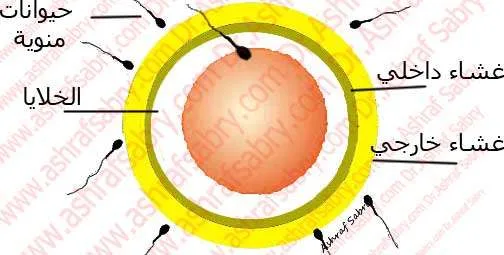
    The sperm releases enzymes from its head to pass through the corona cells surrounding the egg, then through the egg’s outer shell (zona pellucida), and finally fuses with the egg membrane (oolemma). As soon as the first sperm fuses, the egg changes its outer layers to block any other sperm from entering.

    The genetic material (chromosomes) of the sperm and of the egg then forms two separate nuclei called pronuclei, one from each parent, which come together as the first cell of the embryo.

    How the baby’s sex is determined

    The baby’s sex is fixed at the moment of fertilization, and it is determined by the sperm. Each egg carries 23 chromosomes, including one X chromosome. Each sperm also carries 23 chromosomes, including either an X or a Y. If an X-bearing sperm fertilizes the egg, the embryo is XX (a girl); if a Y-bearing sperm does, it is XY (a boy).

    Early development and implantation

    The fertilized egg divides into 2 cells, then 4, then about 8 cells by day 3, and becomes a solid ball of cells called a morula by day 4. Fluid then collects inside to form a cavity, and by day 5 the embryo is called a blastocyst. Throughout these stages the outer shell (zona pellucida) remains intact.

    Meanwhile, the embryo travels along the fallopian tube towards the uterus, moved by the beating cilia and by contractions of the tube’s muscular wall, and nourished by fluids secreted by the tube lining. The blastocyst reaches the uterus around day 5, where it breaks out of its shell in a process called hatching, so that it can embed in the uterine lining. Implantation begins around day 6 and is complete by about day 10.

    The implanting embryo produces the hormone hCG, which keeps the corpus luteum in the ovary alive so that it continues to produce progesterone. Progesterone maintains the uterine lining and supports the pregnancy until the placenta takes over this role. hCG is also the hormone detected by pregnancy tests.

    Sperm penetrating the egg
    Sperm penetrating the egg
    Fertilized egg with two pronuclei
    The two pronuclei
    Four-cell embryo
    Four-cell embryo
    Eight-cell embryo
    Eight-cell embryo
    Morula
    Morula
    Blastocyst
    Blastocyst
    Embryo hatching from its outer shell
    Embryo hatching from the zona pellucida
    Female chromosomes (XX)
    Female (XX)
    Male chromosomes (XY)
    Male (XY)
    Embryo implantation in the uterus
    Implantation of the embryo in the uterus

    International Guidelines

    In line with global standards, Dr. Sabry follows the latest recommendations from the American Society for Reproductive Medicine (ASRM), European Society of Human Reproduction and Embryology (ESHRE), and Royal College of Obstetricians and Gynaecologists (RCOG). Thus, patients receive care that is safe, ethical, and evidence-based.

    Our Patient Reviews

    Discover what patients say about us on Google Maps, Vezeeta, and WhatClinic.

    Why Choose Dr. Ashraf Sabry?

    Dr. Ashraf Sabry, consultant in obstetrics, gynecology, fertility, and aesthetic gynecology, is recognized among the best OBGYN and fertility specialists in Cairo. With over 20 years of experience, he combines science and compassion to provide world-class care. Book your appointment through the contact page, WhatsApp, or call +201022224442.

  • The Female Reproductive System

    The Female Reproductive System

    The female reproductive system is a group of organs responsible for conception and pregnancy. It lies in the lower abdomen and pelvis and has internal and external parts.

    Struggling to conceive? If natural conception is difficult in your case, IVF and ICSI with Dr. Ashraf Sabry may be the right solution. Learn about the steps, timing and who it suits.

    Internal reproductive organs

    The vagina

    The vagina is a muscular canal about 10 cm long, running from the vulva to the uterus. Its inner lining has folds. Cells, glands and beneficial bacteria produce acidic secretions that keep it moist and protect it from harmful microbes. The vagina stretches during intercourse, and at ejaculation sperm are deposited at its upper end.

    The uterus

    The uterus is a hollow, pear-shaped muscular organ in the lower abdomen, above the vagina. It provides the passage for sperm on their way to the egg, and later receives and nourishes the fertilized egg. It has two parts: the body of the uterus and, below it, the cervix. The body is about 7 cm long, 5 cm wide and weighs about 50 g, varying between women and with previous pregnancies. In about 80% of women the uterus tilts forward towards the abdominal wall (anteverted), and in about 20% backwards towards the spine (retroverted), which is a normal variant. The uterus is lined by the endometrium, which thickens each month in response to female hormones so a fertilized egg can implant; if pregnancy does not occur, the extra lining is shed as the period.

    The cervix

    The cervix is the gateway at the lower end of the uterus through which sperm enter. Its lower part can be seen at the top of the vagina, while its upper part lies above it. It is about 3 cm long, with an external opening leading to the cervical canal and an internal opening into the body of the uterus. The canal has folds lined with mucus-producing cells. The mucus changes through the cycle: scanty and thick after a period, then abundant, clear and stretchy in the days before ovulation to help healthy sperm through, then scanty and thick again after ovulation to block sperm. Inside the canal, the mucus protects sperm from vaginal acidity and nourishes them.

    The fallopian tubes

    The two fallopian tubes are narrow tubes about 10 cm long, one on each side of the uterus, ending in finger-like fringes (fimbriae). The part nearest the ovary, the ampulla, is wider than the part nearest the uterus. When an ovary releases an egg, the fimbriae pick it up and draw it into the tube. The ampulla is where sperm meet and fertilize the egg; the fertilized egg is then carried towards the uterus by rhythmic muscle contractions and by tiny hair-like cilia lining the tube, whose cells also secrete fluids that nourish it.

    The ovaries

    The two ovaries are small organs on either side of the pelvis, near the ends of the fallopian tubes. They are the source of eggs and of female hormones, making them central to fertility. Each is about 3 cm long and 1.5 cm wide, with an outer cortex containing follicles at different stages and an inner medulla containing blood vessels and nerves. A baby girl is born with about one to two million follicles; around 300,000–400,000 remain at puberty, and the number keeps falling, especially after 35.

    Primordial follicles

    A primordial follicle consists of an egg surrounded by a layer of granulosa cells; those closest to the egg are called corona cells. Each month, hormones recruit a group of follicles, of which usually one reaches maturity and is ready for fertilization.

    External genitalia (the vulva)

    The mons pubis

    A pad of fatty tissue over the pubic bone, covered with hair after puberty.

    The labia majora

    Two thick outer folds of skin on either side of the vaginal opening, covered with hair after puberty and containing the openings of some glands.

    The labia minora

    Thinner inner folds of skin that run alongside the vaginal opening, inside the labia majora.

    The clitoris

    A small structure at the top of the labia minora, equivalent to the penis in men. It is made of erectile tissue that fills with blood during arousal and has a very rich nerve supply, playing a key role in sexual arousal. It is covered by a fold of skin called the clitoral hood.

    The hymen

    A thin rim of tissue around the vaginal opening, with an opening that allows menstrual blood to pass. Its shape varies widely between women. It may stretch or tear at first intercourse, but not always, and its appearance is not a reliable indicator of previous intercourse.

    Bartholin’s glands

    Two glands on either side of the vaginal opening that secrete mucus for lubrication during intercourse.

    The urethral opening

    The opening of the urethra lies just below the clitoris, above the vaginal opening.

    Position of the uterus in the lower abdomen
    The uterus in the lower abdomen
    Female internal reproductive organs
    Female internal reproductive organs
    Female external genitalia
    Female external genitalia
    The ovary and follicles at different stages
    The ovary and follicles at different stages

    International Guidelines

    In line with global standards, Dr. Sabry follows the latest recommendations from the American Society for Reproductive Medicine (ASRM), European Society of Human Reproduction and Embryology (ESHRE), and Royal College of Obstetricians and Gynaecologists (RCOG). Thus, patients receive care that is safe, ethical, and evidence-based.

    Our Patient Reviews

    Discover what patients say about us on Google Maps, Vezeeta, and WhatClinic.

    Why Choose Dr. Ashraf Sabry?

    Dr. Ashraf Sabry, consultant in obstetrics, gynecology, fertility, and aesthetic gynecology, is recognized among the best OBGYN and fertility specialists in Cairo. With over 20 years of experience, he combines science and compassion to provide world-class care. Book your appointment through the contact page, WhatsApp, or call +201022224442.

  • The Male Reproductive System

    The Male Reproductive System

    The male reproductive system is a group of organs responsible for producing sperm and delivering them for conception. It has internal and external parts.

    Struggling to conceive? If natural conception is difficult in your case, IVF and ICSI with Dr. Ashraf Sabry may be the right solution. Learn about the steps, timing and who it suits.

    The testes

    The testes produce sperm and secrete testosterone. They sit in the scrotum below the penis, outside the body, because they need a slightly lower temperature than the rest of the body to produce sperm efficiently. Each testis is divided into lobules containing tightly coiled tubes called seminiferous tubules. Between the tubules lie the Leydig cells, which produce testosterone. The tubules are lined by Sertoli cells, between which immature sperm cells develop into mature sperm. It is normal for one testis to be slightly larger or to hang lower than the other.

    The rete testis

    The seminiferous tubules from each lobule join to form a network called the rete testis. From it, fine channels called efferent ductules carry sperm to the epididymis at the back of the testis.

    The epididymis

    The epididymis is a small structure about 5 cm long at the back of each testis, made of a single very fine tube 4–5 metres long, tightly coiled. Sperm mature as they pass through it; by the time they reach its end, they are able to swim and fertilize an egg.

    The vas deferens

    The epididymis continues as a thicker tube, the vas deferens, about 30 cm long and surrounded by muscle. These muscles contract during ejaculation to propel the sperm forward.

    The ejaculatory ducts

    Each vas deferens joins the duct of a seminal vesicle to form an ejaculatory duct, about 2 cm long, which passes through the prostate and opens into the urethra.

    The seminal vesicles

    The seminal vesicles produce the largest share of the seminal fluid, including fructose that fuels sperm.

    The prostate gland

    The prostate produces another part of the seminal fluid, which helps the semen liquefy after ejaculation.

    The penis

    The penis contains two cylinders of spongy erectile tissue (the corpora cavernosa) running along its length, and a third cylinder (the corpus spongiosum) through which the urethra runs. The erectile tissue fills with blood during arousal, causing an erection, and empties into the veins afterwards. The corpus spongiosum ends at the head of the penis (the glans), the most sensitive part because of its many nerve endings. The average adult penis is around 9 cm flaccid and 13 cm erect.

    The urethra

    The urethra runs through the corpus spongiosum and opens at the tip of the glans. It carries both urine and semen.

    Sperm

    Each sperm has a head, which carries the genetic material and is covered by a cap (acrosome) that helps it penetrate the egg; a midpiece, which provides energy; and a tail, which drives movement.

    Semen

    Semen is a mixture of secretions from the prostate and seminal vesicles with sperm from the testes. The World Health Organization’s latest manual (2021) gives the following lower reference limits for a fertile man:

    • Volume: 1.4 mL or more
    • Sperm concentration: 16 million per mL or more (total 39 million per ejaculate)
    • Total motility: 42% or more; progressive motility: 30% or more
    • Normal forms (strict criteria): 4% or more
    • Vitality: 54% or more live sperm

    Results below these limits do not mean a man is infertile, and results above them do not guarantee fertility. A single abnormal result should be repeated, and the analysis must be done in an experienced laboratory.

    Male reproductive system
    The male reproductive system
    Anatomy of the penis
    The penis
    Anatomy of the testis
    The testis
    Human sperm
    Sperm

    International Guidelines

    In line with global standards, Dr. Sabry follows the latest recommendations from the American Society for Reproductive Medicine (ASRM), European Society of Human Reproduction and Embryology (ESHRE), and Royal College of Obstetricians and Gynaecologists (RCOG). Thus, patients receive care that is safe, ethical, and evidence-based.

    Our Patient Reviews

    Discover what patients say about us on Google Maps, Vezeeta, and WhatClinic.

    Why Choose Dr. Ashraf Sabry?

    Dr. Ashraf Sabry, consultant in obstetrics, gynecology, fertility, and aesthetic gynecology, is recognized among the best OBGYN and fertility specialists in Cairo. With over 20 years of experience, he combines science and compassion to provide world-class care. Book your appointment through the contact page, WhatsApp, or call +201022224442.

  • The Menstrual Cycle

    The Menstrual Cycle

    The menstrual cycle is a multi-step process that links several organs in the body.

    FSH, released from the pituitary gland, stimulates a group of follicles in the ovary to grow. With the help of LH, also from the pituitary, the theca cells around each follicle convert cholesterol into androstenedione, which passes into the granulosa cells inside the follicle. Helped by FSH, the granulosa cells use the enzyme aromatase to convert it into estrogen.

    The uterus is lined by a layer called the endometrium. At the start of a period (day 1 of the cycle), the lining is shed with some blood, which lasts 2–7 days. A thin base layer remains, which then multiplies and thickens under the influence of estrogen. Estrogen also changes the cervical mucus so that it allows sperm to pass into the uterus. For the uterus, this part of the cycle is called the proliferative phase.

    At ovulation the mature egg leaves its follicle, and the remaining follicle becomes the corpus luteum, which produces progesterone. Progesterone completes the build-up of the lining and changes its structure so it is ready to receive and implant a fertilized egg. It also makes the cervical mucus thick, blocking sperm. If pregnancy does not occur, estrogen and progesterone levels fall and the lining breaks down and is shed as the next period. For the uterus, this second part of the cycle is called the secretory phase.

    A normal cycle lasts 21–35 days in adults, counted from the first day of one period to the first day of the next, with bleeding usually lasting 3–7 days and a moderate flow. Cycles that are consistently shorter or longer than this, very irregular, or very heavy should be checked, as they can be a sign of ovulation problems.

    Endometrium early in the cycle
    The uterine lining early in the cycle
    Endometrium in mid-cycle
    The uterine lining in mid-cycle
    Endometrium at the end of the cycle and menstruation
    The lining at the end of the cycle and menstruation
    Ultrasound of the endometrium in the first half of the cycle
    Ultrasound of the lining in the first half of the cycle
    Ultrasound of the endometrium in the second half of the cycle
    Ultrasound of the lining in the second half of the cycle

    International Guidelines

    In line with global standards, Dr. Sabry follows the latest recommendations from the American Society for Reproductive Medicine (ASRM), European Society of Human Reproduction and Embryology (ESHRE), and Royal College of Obstetricians and Gynaecologists (RCOG). Thus, patients receive care that is safe, ethical, and evidence-based.

    Our Patient Reviews

    Discover what patients say about us on Google Maps, Vezeeta, and WhatClinic.

    Why Choose Dr. Ashraf Sabry?

    Dr. Ashraf Sabry, consultant in obstetrics, gynecology, fertility, and aesthetic gynecology, is recognized among the best OBGYN and fertility specialists in Cairo. With over 20 years of experience, he combines science and compassion to provide world-class care. Book your appointment through the contact page, WhatsApp, or call +201022224442.

  • What Happens During Ovulation?

    What Happens During Ovulation?

    Producing an egg ready for fertilization each month is a multi-step process that links several organs in the body.

    The hypothalamus at the base of the brain releases GnRH, which stimulates the pituitary gland to release follicle-stimulating hormone (FSH) and luteinizing hormone (LH).

    FSH stimulates a group of primordial follicles in the ovary to grow. Growth begins as extra layers of granulosa cells form around the egg; nearby ovarian tissue then develops into theca cells, which separate into an inner layer (theca interna) and an outer layer (theca externa). At this stage the follicle is called a primary follicle.

    Under the influence of LH, the theca cells convert cholesterol into androstenedione, which passes into the granulosa cells. Helped by FSH, the granulosa cells use the enzyme aromatase to convert androstenedione into estrogen. Fluid secreted by the follicle cells collects in a central cavity, and the follicle is now called an antral follicle.

    Rising estrogen from the growing follicles reduces FSH release. As a result, the other follicles stop growing and fade away, except one: the dominant follicle, which has the most FSH receptors and can respond to even small amounts of FSH. The very high estrogen level around mid-cycle triggers a sudden surge of LH, which completes the maturation of the egg. About 36 hours after the surge begins, the egg is released from the follicle: this is ovulation. Just before ovulation, the mature follicle is called a Graafian follicle.

    The mature egg leaves the ovary surrounded by a few supporting (corona) cells and is picked up by the finger-like fringes of the fallopian tube. The remainder of the follicle becomes the corpus luteum, which produces progesterone. Progesterone completes the build-up of the uterine lining and changes its structure to prepare it to receive and implant a fertilized egg. If pregnancy does not occur, estrogen and progesterone levels fall, the lining breaks down and is shed as a menstrual period.

    The part of the ovarian cycle before ovulation is called the follicular phase, and the part after ovulation is the luteal phase.

    The ovary and follicles at different stages
    The ovary and follicles at different stages
    Hormone levels across the menstrual cycle
    Hormone levels in the blood across the month

    International Guidelines

    In line with global standards, Dr. Sabry follows the latest recommendations from the American Society for Reproductive Medicine (ASRM), European Society of Human Reproduction and Embryology (ESHRE), and Royal College of Obstetricians and Gynaecologists (RCOG). Thus, patients receive care that is safe, ethical, and evidence-based.

    Our Patient Reviews

    Discover what patients say about us on Google Maps, Vezeeta, and WhatClinic.

    Why Choose Dr. Ashraf Sabry?

    Dr. Ashraf Sabry, consultant in obstetrics, gynecology, fertility, and aesthetic gynecology, is recognized among the best OBGYN and fertility specialists in Cairo. With over 20 years of experience, he combines science and compassion to provide world-class care. Book your appointment through the contact page, WhatsApp, or call +201022224442.

  • Ovarian Stimulation and Ovulation Induction

    Ovulation induction aims to produce one or two mature eggs in women who do not ovulate regularly, while ovarian stimulation for IVF aims to grow several eggs in a controlled way. The main medications are described below.

    Letrozole

    Letrozole is a tablet that briefly lowers estrogen production, prompting the brain to release more FSH. It is now the first-line medication for ovulation induction in polycystic ovary syndrome (PCOS), with higher live birth rates than clomiphene and less negative effect on the uterine lining and cervical mucus.

    Clomiphene citrate (Clomid)

    Clomiphene blocks estrogen receptors in the brain, so the brain senses low estrogen and responds by raising FSH and LH, which stimulates follicle growth. It is taken as tablets. It can thin the uterine lining and make cervical mucus less favourable to sperm, and may cause hot flushes, headaches and visual disturbances (which require stopping the drug). Like other stimulation drugs, it increases the chance of twins, and occasionally ovarian cysts.

    Tamoxifen

    Tamoxifen works in a similar way to clomiphene and is occasionally used as an alternative.

    Gonadotropin injections (FSH and LH)

    These injections contain measured doses of FSH, with or without LH. They are available as human menopausal gonadotropin (hMG), purified urinary FSH, and recombinant FSH made by biotechnology. They are used for ovulation induction when tablets fail, for IUI cycles and for IVF stimulation. Doses are tailored to age, AMH and antral follicle count, and response is monitored by ultrasound, because the main risks are multiple pregnancy and ovarian hyperstimulation syndrome (OHSS).

    Medications to lower prolactin

    When raised prolactin is the cause of absent ovulation, cabergoline (once or twice weekly, with fewer side effects) or bromocriptine (daily, more often causes nausea) usually restores ovulation.

    GnRH agonists

    GnRH agonists first stimulate the pituitary and then switch off its release of FSH and LH. They are used to shrink fibroids or endometriosis, and in some IVF protocols (“long protocol”) to prevent premature ovulation while gonadotropins stimulate the ovaries. A single dose of a GnRH agonist can also be used as the ovulation trigger, which greatly reduces the risk of OHSS.

    GnRH antagonists

    GnRH antagonists block the pituitary immediately. Started a few days into stimulation, they prevent premature ovulation. The antagonist protocol is now the most widely used IVF protocol because it is shorter, needs fewer injections and has a lower risk of OHSS.

    The trigger injection (hCG)

    hCG has a structure similar to LH. Once the follicles reach the right size, it is given to trigger final egg maturation, and ovulation or egg collection is timed precisely around it (egg collection is usually about 36 hours later).


    International Guidelines

    In line with global standards, Dr. Sabry follows the latest recommendations from the American Society for Reproductive Medicine (ASRM), European Society of Human Reproduction and Embryology (ESHRE), and Royal College of Obstetricians and Gynaecologists (RCOG). Thus, patients receive care that is safe, ethical, and evidence-based.

    Our Patient Reviews

    Discover what patients say about us on Google Maps, Vezeeta, and WhatClinic.

    Why Choose Dr. Ashraf Sabry?

    Dr. Ashraf Sabry, consultant in obstetrics, gynecology, fertility, and aesthetic gynecology, is recognized among the best OBGYN and fertility specialists in Cairo. With over 20 years of experience, he combines science and compassion to provide world-class care. Book your appointment through the contact page, WhatsApp, or call +201022224442.

  • Uterine Polyps and Fibroids in Infertility

    Uterine Polyps and Fibroids in Infertility

    Endometrial polyps

    Polyps are overgrowths of the uterine lining. Small polyps may have no effect, while larger ones can fill the cavity and interfere with sperm transport or implantation of the embryo, delaying pregnancy. Polyps respond to estrogen and can grow when estrogen levels are high.

    Struggling to conceive? If natural conception is difficult in your case, IVF and ICSI with Dr. Ashraf Sabry may be the right solution. Learn about the steps, timing and who it suits.

    Uterine fibroids

    Fibroids (myomas) are the most common benign tumours in women. They are round growths of the uterine muscle that enlarge under the influence of estrogen. Most women with fibroids have no symptoms, but some have heavy periods, pain, infertility or miscarriage. Their effect on fertility depends mainly on their position:

    • Submucosal fibroids bulge into the uterine cavity. These are the most important for fertility, because they distort the cavity, reduce implantation and increase miscarriage; they can also cause heavy bleeding.
    • Intramural fibroids lie within the muscle wall, where all fibroids start. Small ones usually have little effect, but larger ones, or those that distort the cavity, may reduce fertility.
    • Subserosal fibroids grow outwards from the surface of the uterus. They do not affect fertility, but large ones can press on nearby organs such as the bladder, causing frequent urination or discomfort.
    Endometrial polyp in the uterine cavity
    Endometrial polyp in the uterine cavity
    Types of uterine fibroids
    Uterine fibroids

    Treatment of polyps

    Polyps in women trying to conceive are removed by hysteroscopy, a minor procedure that improves the chance of pregnancy.

    Medical treatment of fibroids

    Hormonal treatments such as GnRH agonists can shrink fibroids temporarily and are mainly used before surgery to reduce size and blood loss. Hormonal medications and the contraceptive pill can control heavy bleeding but prevent pregnancy while being taken, so they do not treat fibroid-related infertility.

    Surgery for women who want to conceive

    Submucosal fibroids are removed through the hysteroscope (hysteroscopic myomectomy). Intramural or subserosal fibroids that need removal can be taken out by laparoscopy or, for very large or multiple fibroids or when adhesions prevent laparoscopy, through an open abdominal incision (myomectomy). Not every fibroid needs surgery; unnecessary myomectomy can cause adhesions, so the decision is individualized.

    Laparoscopic myomectomy
    Laparoscopic removal of fibroids
    Hysteroscopic removal of an endometrial polyp
    Hysteroscopic polyp removal
    Hysteroscopic removal of a fibroid
    Hysteroscopic fibroid removal

    Women who have completed their family

    Options include hysterectomy (abdominal, vaginal or laparoscopic) or uterine artery embolization, which shrinks fibroids by blocking their blood supply without major surgery. Embolization is generally not recommended for women planning pregnancy.

    Learn more on our fibroid treatment page.


    International Guidelines

    In line with global standards, Dr. Sabry follows the latest recommendations from the American Society for Reproductive Medicine (ASRM), European Society of Human Reproduction and Embryology (ESHRE), and Royal College of Obstetricians and Gynaecologists (RCOG). Thus, patients receive care that is safe, ethical, and evidence-based.

    Our Patient Reviews

    Discover what patients say about us on Google Maps, Vezeeta, and WhatClinic.

    Why Choose Dr. Ashraf Sabry?

    Dr. Ashraf Sabry, consultant in obstetrics, gynecology, fertility, and aesthetic gynecology, is recognized among the best OBGYN and fertility specialists in Cairo. With over 20 years of experience, he combines science and compassion to provide world-class care. Book your appointment through the contact page, WhatsApp, or call +201022224442.

  • Laparoscopy and Hysteroscopy for Infertility

    Laparoscopy and Hysteroscopy for Infertility

    Diagnostic laparoscopy

    In laparoscopy, the surgeon passes a thin telescope connected to a camera and screen through a small cut in the abdominal wall to see the internal organs directly.

    What laparoscopy can show and treat

    Laparoscopy gives a direct view of the ovaries, uterus, fallopian tubes and pelvis. It is the most accurate test for endometriosis, pelvic adhesions and the after-effects of pelvic infection or tuberculosis. Many problems can be treated in the same operation using fine instruments passed through additional small cuts: dividing adhesions, removing endometriosis, removing ovarian cysts, or opening blocked tubes. A dye can also be injected through the cervix and watched as it spills from the ends of the tubes to confirm they are open (chromopertubation).

    Laparoscopy is no longer done routinely for every infertile woman. It is advised when symptoms or other tests suggest endometriosis, adhesions or tubal disease, or when surgery would change the treatment plan.

    How it is done

    The procedure is usually scheduled shortly after a period. It is performed in an operating theatre under general anaesthesia. A small cut is made in the navel, carbon dioxide gas is introduced to lift the abdominal wall, and the camera is inserted. Two or three further small cuts in the lower abdomen allow surgical instruments to be used if needed. It is a safe procedure; most women go home the same day, rest at home for two or three days and then return to normal life.

    Possible complications

    Minor effects include temporary bloating, abdominal pain and shoulder-tip pain from residual gas irritating the diaphragm; these usually settle within a few days. Rare complications include injury to the bowel, bladder, other organs or blood vessels. Occasionally laparoscopy cannot be completed because of severe adhesions from previous pelvic infection, a burst appendix or previous surgery.

    Laparoscopy
    Laparoscopy

    Diagnostic hysteroscopy

    Hysteroscopy uses a thin telescope passed through the cervix to look directly inside the uterus, after the cavity is gently expanded with fluid. It is connected to a light source and screen, and allows small operations at the same time. Modern office hysteroscopes are so thin that many diagnostic procedures can be done in the clinic with little or no anaesthesia.

    What hysteroscopy can show and treat

    Hysteroscopy diagnoses and treats problems inside the uterine cavity: endometrial polyps, fibroids bulging into the cavity, adhesions inside the uterus (Asherman syndrome), and congenital abnormalities such as a uterine septum.

    How it is done

    Under general, regional or local anaesthesia (or none for small office scopes), the cervix is gently dilated if needed and the hysteroscope is inserted into the uterus. Fluid is used to expand the cavity, and the cervical canal, the cavity and the openings of the fallopian tubes are inspected. Any procedure is done with instruments passed through channels in the scope. Most women go home the same day and return to normal activity within a day or two.

    Possible complications

    Mild lower abdominal cramps and light spotting are common for a short time. Perforation of the uterus is a rare complication.

    Hysteroscopy
    Hysteroscopy

    International Guidelines

    In line with global standards, Dr. Sabry follows the latest recommendations from the American Society for Reproductive Medicine (ASRM), European Society of Human Reproduction and Embryology (ESHRE), and Royal College of Obstetricians and Gynaecologists (RCOG). Thus, patients receive care that is safe, ethical, and evidence-based.

    Our Patient Reviews

    Discover what patients say about us on Google Maps, Vezeeta, and WhatClinic.

    Why Choose Dr. Ashraf Sabry?

    Dr. Ashraf Sabry, consultant in obstetrics, gynecology, fertility, and aesthetic gynecology, is recognized among the best OBGYN and fertility specialists in Cairo. With over 20 years of experience, he combines science and compassion to provide world-class care. Book your appointment through the contact page, WhatsApp, or call +201022224442.

  • Ovarian Reserve Testing

    Ovarian Reserve Testing

    A baby girl is born with about one to two million egg follicles; around 300,000–400,000 remain at puberty, and the number keeps falling, faster after 35. From that age the chance of pregnancy falls and the risks of miscarriage and chromosomal abnormalities rise, because fewer eggs remain and their quality declines. Because age and ovarian reserve strongly affect fertility and the response to any treatment, ovarian reserve is assessed before treatment is planned.

    AMH (anti-Müllerian hormone)

    AMH is produced by the small follicles in the ovary, so its level reflects the remaining egg supply. It is low with advancing age and high in polycystic ovary syndrome (PCOS). It can be measured on any day of the cycle and is now the most widely used blood test of ovarian reserve. Typical interpretation (laboratories and assays vary slightly):

    AMH (ng/mL)AMH (pmol/L)Interpretation
    Above 3.5Above 25High (may suggest PCOS)
    1.0 – 3.57 – 25Normal
    0.5 – 1.03.5 – 7Low
    Below 0.5Below 3.5Very low

    FSH on day 2–5 of the cycle

    FSH is measured on day 2–5 of the cycle, together with estradiol. A rising FSH indicates that the pituitary is working harder to stimulate a declining ovary. Very low levels suggest reduced pituitary output instead.

    Day 2–5 FSH (mIU/mL)Interpretation
    Below 9Normal
    9 – 11Borderline
    11 – 15Reduced
    15 – 20Markedly reduced
    Above 20Severely reduced

    Antral follicle count (AFC)

    A transvaginal ultrasound early in the cycle counts the small (2–10 mm) antral follicles visible in both ovaries. A higher count indicates a better reserve; fewer than about 5–7 in total suggests a low reserve.

    Ovarian follicles on ultrasound
    Ovarian follicles on ultrasound

    What these tests can and cannot tell you

    AMH and AFC predict how many eggs are likely to respond to IVF stimulation and help choose the right dose. They do not measure egg quality and do not predict natural fertility well; a woman with a low AMH can still conceive naturally, especially when younger. Age remains the strongest predictor of egg quality.


    International Guidelines

    In line with global standards, Dr. Sabry follows the latest recommendations from the American Society for Reproductive Medicine (ASRM), European Society of Human Reproduction and Embryology (ESHRE), and Royal College of Obstetricians and Gynaecologists (RCOG). Thus, patients receive care that is safe, ethical, and evidence-based.

    Our Patient Reviews

    Discover what patients say about us on Google Maps, Vezeeta, and WhatClinic.

    Why Choose Dr. Ashraf Sabry?

    Dr. Ashraf Sabry, consultant in obstetrics, gynecology, fertility, and aesthetic gynecology, is recognized among the best OBGYN and fertility specialists in Cairo. With over 20 years of experience, he combines science and compassion to provide world-class care. Book your appointment through the contact page, WhatsApp, or call +201022224442.

  • Cervical Causes of Female Infertility

    Cervical Causes of Female Infertility

    The cervix is the gateway at the lower end of the uterus through which sperm travel into the uterus and towards the egg. The cervical canal has folds lined with cells that produce mucus. The amount and texture of this mucus change with female hormone levels through the cycle. Around ovulation it helps healthy sperm enter the cervix; after ovulation it becomes scanty and thick, blocking sperm from entering the uterus. Inside the cervical canal, the mucus protects sperm from the acidity of the vagina and nourishes them. Problems with the cervix can prevent sperm from reaching the egg and delay pregnancy.

    Struggling to conceive? If natural conception is difficult in your case, IVF and ICSI with Dr. Ashraf Sabry may be the right solution. Learn about the steps, timing and who it suits.

    Cervical stenosis (narrowing)

    Narrowing of the cervix, usually after extensive cervical cautery, laser treatment or cone biopsy, can block sperm from entering.

    Cervical mucus problems

    Sometimes the cervical mucus is too scanty to support sperm, or so thick that sperm cannot pass through it.

    Antisperm antibodies in the cervix

    It was once believed that antibodies in the cervical mucus commonly killed sperm. Current evidence shows that testing for this does not change management, and it is no longer routinely recommended.

    Cervical stenosis
    Cervical stenosis

    Treatment of cervical problems

    Infections

    Cervical infections are treated with the appropriate medication once the organism is identified. Chlamydia testing is particularly important, as it can also damage the fallopian tubes.

    Mucus and antibody problems

    Steroids were used in the past for cervical antibodies but were abandoned because of their side effects, and estrogen for poor mucus has not proven useful. Today, intrauterine insemination (IUI), which places prepared sperm directly into the uterus beyond the cervix, or IVF, effectively bypasses all cervical factors.

    Cervical stenosis

    The cervix can be gently dilated, or bypassed using an insemination or transfer catheter. Avoiding unnecessary cervical cautery prevents narrowing in the first place.

    Normal female internal reproductive organs
    Normal uterus and cervix

    International Guidelines

    In line with global standards, Dr. Sabry follows the latest recommendations from the American Society for Reproductive Medicine (ASRM), European Society of Human Reproduction and Embryology (ESHRE), and Royal College of Obstetricians and Gynaecologists (RCOG). Thus, patients receive care that is safe, ethical, and evidence-based.

    Our Patient Reviews

    Discover what patients say about us on Google Maps, Vezeeta, and WhatClinic.

    Why Choose Dr. Ashraf Sabry?

    Dr. Ashraf Sabry, consultant in obstetrics, gynecology, fertility, and aesthetic gynecology, is recognized among the best OBGYN and fertility specialists in Cairo. With over 20 years of experience, he combines science and compassion to provide world-class care. Book your appointment through the contact page, WhatsApp, or call +201022224442.

  • High Prolactin and Infertility

    Prolactin is a hormone made by the pituitary gland. Its job is to prepare the breasts for breastfeeding during and after pregnancy. When prolactin rises outside pregnancy and breastfeeding (hyperprolactinemia), it disturbs the release of FSH and LH from the pituitary, leading to irregular or absent ovulation and periods, and difficulty conceiving. It may also cause a milky discharge from the breasts.

    Causes include stress, pituitary disorders and small benign pituitary tumours (prolactinomas). An underactive thyroid can also raise prolactin, as can some medications, including certain blood pressure drugs, antipsychotics, antidepressants and anti-sickness medicines.

    Testing prolactin

    Prolactin can be measured on any day of the cycle, ideally in the morning and without significant stress beforehand, as stress and even the blood draw itself can raise it slightly. A mildly raised result should be repeated, and thyroid function checked. If prolactin is confirmed high, an MRI of the pituitary is used to detect or exclude a small tumour.

    Treatment

    Medication

    Medication is the first-line treatment and usually restores normal prolactin levels and ovulation. Cabergoline, taken once or twice a week, is now preferred because it is more effective and causes fewer side effects. Bromocriptine, taken daily, is an older alternative that more often causes nausea and vomiting.

    Surgery

    Surgery is reserved for pituitary tumours that do not respond to or cannot tolerate medication, or larger tumours pressing on surrounding structures such as the optic nerves.

    Radiotherapy

    Radiotherapy is rarely needed, and only when both medication and surgery have failed.


    International Guidelines

    In line with global standards, Dr. Sabry follows the latest recommendations from the American Society for Reproductive Medicine (ASRM), European Society of Human Reproduction and Embryology (ESHRE), and Royal College of Obstetricians and Gynaecologists (RCOG). Thus, patients receive care that is safe, ethical, and evidence-based.

    Our Patient Reviews

    Discover what patients say about us on Google Maps, Vezeeta, and WhatClinic.

    Why Choose Dr. Ashraf Sabry?

    Dr. Ashraf Sabry, consultant in obstetrics, gynecology, fertility, and aesthetic gynecology, is recognized among the best OBGYN and fertility specialists in Cairo. With over 20 years of experience, he combines science and compassion to provide world-class care. Book your appointment through the contact page, WhatsApp, or call +201022224442.

  • Varicocele and Male Infertility

    Varicocele and Male Infertility

    The testes sit in the scrotum, outside the body, because they need a temperature slightly lower than the rest of the body to produce sperm efficiently. A varicocele is a swelling of the veins around the testis caused by weak vein valves, so that blood pools in them. This raises the temperature of the testis and causes oxidative stress, which can reduce sperm count and motility, increase abnormal forms and DNA damage, and in some men contribute to infertility.

    Varicoceles are common, are found in about 15% of men, and often cause no symptoms; many are discovered during a fertility check-up. Larger varicoceles can cause a dull ache or heaviness in the scrotum.

    Diagnosis

    The doctor examines the man while he is standing and feels the upper scrotum, where a varicocele feels like a “bag of worms”. Asking him to cough or strain (Valsalva manoeuvre) makes the veins swell further.

    Scrotal ultrasound shows the dilated veins around the testis, and colour Doppler measures blood flow and shows backflow (reflux) in the veins when the man strains.

    Testicular ultrasound
    Testicular ultrasound
    Testicular Doppler
    Testicular Doppler

    When is treatment recommended?

    Current guidelines recommend repair for a varicocele that can be felt on examination in a man with abnormal semen parameters and a couple trying to conceive. Microsurgical varicocelectomy has the lowest recurrence and complication rates; embolization by a radiologist is an alternative. Varicoceles seen only on ultrasound (subclinical) do not need repair. Because a sperm cycle takes about three months, semen improvement is usually checked three to six months after treatment. If the woman is older or other factors are present, going directly to IVF/ICSI may be more appropriate.


    International Guidelines

    In line with global standards, Dr. Sabry follows the latest recommendations from the American Society for Reproductive Medicine (ASRM), European Society of Human Reproduction and Embryology (ESHRE), and Royal College of Obstetricians and Gynaecologists (RCOG). Thus, patients receive care that is safe, ethical, and evidence-based.

    Our Patient Reviews

    Discover what patients say about us on Google Maps, Vezeeta, and WhatClinic.

    Why Choose Dr. Ashraf Sabry?

    Dr. Ashraf Sabry, consultant in obstetrics, gynecology, fertility, and aesthetic gynecology, is recognized among the best OBGYN and fertility specialists in Cairo. With over 20 years of experience, he combines science and compassion to provide world-class care. Book your appointment through the contact page, WhatsApp, or call +201022224442.

  • Diagnosing the Causes of Infertility

    When should you seek help for infertility?

    When a couple decides to look into why they have not conceived, they should see the specialist together. Assessment is usually recommended after 12 months of regular, unprotected intercourse, but earlier in some situations. For the woman: age 35 or older (after 6 months; immediately over 40), irregular or absent periods, signs of hormonal imbalance such as excess hair growth, known endometriosis, or previous abdominal or pelvic surgery such as appendicectomy or removal of ovarian cysts. For the man: previous pelvic or groin surgery, undescended testes, a history of mumps orchitis or severe genital infection, or known sperm problems.

    Choosing a fertility specialist

    Choosing the right doctor is one of the most important steps towards success, so it deserves careful research. Recommendations from other doctors and from people who have been treated, together with verified patient reviews, are a good starting point. A fertility specialist differs from a general gynecologist in focusing primarily on infertility, keeping up with the latest research and guidelines, having access to specialized tools for diagnosis and treatment, and working with structured treatment protocols, clear timelines and outcome review.

    After the first visit, you can usually tell whether a doctor is right for you: they answer all your questions and concerns, give you time to talk and listen carefully, explain each step of diagnosis and treatment, and each visit ends with clear progress towards a plan.

    The doctor’s responsibilities

    The specialist should draw up a diagnostic plan to find the cause of infertility, then a treatment plan based on the results. The doctor should give the couple clear information in every way possible and time to ask questions, so they can take part in decisions and build trust. The doctor should also understand the emotional strain that infertility brings and treat the couple with respect and empathy.

    The patient’s responsibilities

    Patients should share all relevant information about their health fully and honestly, and follow the agreed diagnostic and treatment plan. Each plan is tailored to the individual, and skipping a step can undermine the whole plan.

    It also helps to understand each step and its timeline, since uncertainty quickly leads to anxiety and loss of confidence. Make the most of each visit: prepare your questions in advance (writing them down is fine), bring copies of all previous reports and treatments, and ask the doctor to explain again anything that is unclear.

    The first infertility consultation

    The doctor asks both partners about their lifestyle and work, how long they have been trying, and any previous tests or treatment. Questions then cover intercourse: how often, any difficulties, and whether it is timed with ovulation.

    The man is asked, for example: Has he had any injury to the testes? Any infections such as mumps or a sexually transmitted infection? Any erection or ejaculation problems, now or in the past? Any medical conditions or medications, including testosterone or anabolic steroids? Any abdominal or pelvic surgery? Does he smoke, exercise heavily or diet? Does he have children from a previous relationship?

    The woman is asked about previous infections, medical conditions, medications, abdominal or pelvic surgery, smoking, exercise and diet, any previous pregnancies and how they ended or were delivered, and current contraception. She is also asked about her periods (regularity, pain, mid-cycle pain) and any unusual symptoms such as bleeding between periods or after intercourse.

    The examination includes weight, height and body mass index (BMI), and a general examination looking for signs of chronic, endocrine or other diseases. This is followed by examination of the genital area in both partners for signs of infection, abnormalities or injury, and of the breasts for lumps or discharge. The doctor then requests the appropriate tests for each partner, typically a semen analysis, hormone tests, a pelvic ultrasound and an assessment of the fallopian tubes.


    International Guidelines

    In line with global standards, Dr. Sabry follows the latest recommendations from the American Society for Reproductive Medicine (ASRM), European Society of Human Reproduction and Embryology (ESHRE), and Royal College of Obstetricians and Gynaecologists (RCOG). Thus, patients receive care that is safe, ethical, and evidence-based.

    Our Patient Reviews

    Discover what patients say about us on Google Maps, Vezeeta, and WhatClinic.

    Why Choose Dr. Ashraf Sabry?

    Dr. Ashraf Sabry, consultant in obstetrics, gynecology, fertility, and aesthetic gynecology, is recognized among the best OBGYN and fertility specialists in Cairo. With over 20 years of experience, he combines science and compassion to provide world-class care. Book your appointment through the contact page, WhatsApp, or call +201022224442.

  • Vaginal Causes of Female Infertility

    Vaginal Causes of Female Infertility

    The vagina is a muscular canal about 10 cm long, running from the vulva to the cervix. Cells, glands and beneficial bacteria in the vagina produce acidic secretions that keep it moist and protect it from harmful microbes. The vagina stretches during intercourse, and at ejaculation sperm are deposited at its upper end, close to the cervix.

    Vaginal problems that can delay pregnancy include a blockage from a septum (a wall of tissue), severe narrowing that prevents penetration, vaginismus (involuntary tightening of the vaginal muscles), and painful inflammation of the vaginal wall that makes intercourse difficult.

    Struggling to conceive? If natural conception is difficult in your case, IVF and ICSI with Dr. Ashraf Sabry may be the right solution. Learn about the steps, timing and who it suits.

    Vaginal narrowing
    Vaginal narrowing
    Vaginal septum
    Vaginal septum

    Treatment of vaginal problems

    Vaginal infections

    Infections are treated with the appropriate medication once the type of organism is identified.

    Vaginal septum

    A vaginal septum is removed surgically, usually as a simple procedure.

    Excision of a vaginal septum
    Excision of a vaginal septum

    Vaginismus

    Vaginismus is very treatable with a combination of education, pelvic floor physiotherapy, graded dilator therapy and, in selected cases, botulinum toxin injections. Until intercourse is possible, pregnancy can be achieved with insemination if needed. Learn more on our vaginismus treatment page.


    International Guidelines

    In line with global standards, Dr. Sabry follows the latest recommendations from the American Society for Reproductive Medicine (ASRM), European Society of Human Reproduction and Embryology (ESHRE), and Royal College of Obstetricians and Gynaecologists (RCOG). Thus, patients receive care that is safe, ethical, and evidence-based.

    Our Patient Reviews

    Discover what patients say about us on Google Maps, Vezeeta, and WhatClinic.

    Why Choose Dr. Ashraf Sabry?

    Dr. Ashraf Sabry, consultant in obstetrics, gynecology, fertility, and aesthetic gynecology, is recognized among the best OBGYN and fertility specialists in Cairo. With over 20 years of experience, he combines science and compassion to provide world-class care. Book your appointment through the contact page, WhatsApp, or call +201022224442.

  • IVF Patient Instructions: Egg Collection and Embryo Transfer

    Before egg collection

    • Confirm the time of your procedure with the centre, arrive one hour early, and bring your ID.
    • Come with a responsible adult who can take you home after the procedure.
    • Do not eat or drink for six hours beforehand. Showering and brushing your teeth are fine.
    • Wear comfortable clothes that are easy to take off and put on, and do not wear make-up or nail polish.
    • Tell your doctor about any medical problems or medications before the procedure.

    After egg collection

    • You can eat and drink about two hours after the procedure.
    • Rest at home for the rest of the day.
    • Travelling by car or other transport afterwards is safe.
    • Avoid vaginal douches, tampons and intercourse until your doctor advises otherwise.
    • Mild cramps and a few drops of blood are common; paracetamol can help with the discomfort.
    • Make sure you have your post-collection medications and instructions before leaving the centre.
    • Wait for the centre to call with the day and time of your embryo transfer (or with your freezing plan).

    Embryo transfer

    • Embryo transfer does not need general anaesthesia. You can leave shortly afterwards; staying longer at the centre does not improve results.
    • Wear comfortable clothes and do not wear make-up.
    • Take your prescribed medications (usually progesterone support) regularly until the pregnancy test and beyond, as directed.
    • Travelling by car, climbing stairs, showering daily and sleeping in any position you like are all safe.
    • There are no food or drink restrictions, apart from the usual pregnancy precautions.
    • Bed rest is not needed. Studies show normal daily activity does not reduce the chance of success; just avoid heavy lifting and strenuous exercise.
    • Light spotting is not a sign that treatment has failed. Do the pregnancy test on the scheduled day.
    • Avoid vaginal douches and tampons, and follow your doctor’s advice about intercourse.

    When to call the centre

    Contact the centre immediately if you have severe abdominal pain, marked bloating or a rapidly enlarging abdomen, persistent vomiting, shortness of breath, reduced urine, heavy bleeding or fever. These can be signs of ovarian hyperstimulation syndrome (OHSS) or another complication that needs prompt assessment.


    International Guidelines

    In line with global standards, Dr. Sabry follows the latest recommendations from the American Society for Reproductive Medicine (ASRM), European Society of Human Reproduction and Embryology (ESHRE), and Royal College of Obstetricians and Gynaecologists (RCOG). Thus, patients receive care that is safe, ethical, and evidence-based.

    Our Patient Reviews

    Discover what patients say about us on Google Maps, Vezeeta, and WhatClinic.

    Why Choose Dr. Ashraf Sabry?

    Dr. Ashraf Sabry, consultant in obstetrics, gynecology, fertility, and aesthetic gynecology, is recognized among the best OBGYN and fertility specialists in Cairo. With over 20 years of experience, he combines science and compassion to provide world-class care. Book your appointment through the contact page, WhatsApp, or call +201022224442.

  • How Infertility Is Treated

    After the necessary tests, treatment is tailored to the cause and to the couple. The first-line measures can be summarized as follows.

    Lifestyle and work habits

    • Stop smoking. It harms both sperm and eggs, and in pregnancy it can impair the placenta and reduce the baby’s growth.
    • Avoid alcohol. In men it reduces sperm production and can cause erectile problems; in women it can disturb ovulation.
    • Limit caffeine to about 200 mg a day (roughly two cups of coffee). Higher intakes are linked with a longer time to pregnancy and a higher miscarriage risk.
    • For men: avoid heat to the testes, such as saunas, hot baths, laptops on the lap and very tight underwear.
    • Take care with workplace hazards such as radiation, high heat, harmful chemicals and genital injury.
    • Treat general health problems such as anaemia and diabetes, and review any medications that may reduce fertility, including testosterone and anabolic steroids in men.

    Diet, weight and exercise

    Women trying to conceive should aim for a healthy weight, balanced eating and regular moderate exercise, and avoid extreme exercise, crash diets and disordered eating, which disturb the hormones that control ovulation. A balanced diet with plenty of vegetables, fruit, whole grains and fish, good hydration, and limited processed food is recommended. Food safety matters too: wash fruit and vegetables well, cook meat thoroughly, avoid raw eggs and drink only pasteurized or boiled milk.

    Women should take folic acid 400 micrograms daily, starting at least one month before conception, to protect the baby against neural tube defects (a higher dose is advised in some cases, such as diabetes, obesity or a previous affected pregnancy). For men, antioxidants such as zinc, vitamin E and coenzyme Q10 are widely used, but the evidence that they increase live births is limited.

    Preventing avoidable causes of infertility

    • Keep vaccinations up to date. Tuberculosis can cause adhesions in the uterus, tubes and pelvis, and can damage the male ducts and testes. Mumps vaccination protects boys from mumps orchitis, which can cause testicular atrophy. Women should check rubella immunity before pregnancy.
    • Do not undergo tubal ligation or vasectomy for contraception without careful counselling and only once the family is complete.
    • Avoid, and promptly treat, genital infections and sexually transmitted infections such as chlamydia, gonorrhoea and syphilis.
    • Avoid unnecessary surgery, such as cervical cautery, removal of fibroids that do not affect fertility, or removal of simple ovarian cysts that would resolve on their own, which can damage the ovarian reserve. Accurate diagnosis of appendicitis also avoids unnecessary operations.
    • Do not insert an IUD or perform a tubal X-ray (HSG) while a genital infection is present.
    • Treat undescended testes in early childhood (ideally by 12–18 months). Leaving a testis in the abdomen raises the risk of cancer and damages its ability to produce sperm.

    Treating unexplained infertility

    Infertility is considered unexplained when a couple has not conceived despite regular intercourse and no cause is found on standard tests. Treatment is planned mainly around the woman’s age. For women under 35, a period of trying naturally may be followed by ovarian stimulation with intrauterine insemination (IUI), then IVF. For women over 35, going directly to IVF is usually advised, because there is less time for repeated trials.


    International Guidelines

    In line with global standards, Dr. Sabry follows the latest recommendations from the American Society for Reproductive Medicine (ASRM), European Society of Human Reproduction and Embryology (ESHRE), and Royal College of Obstetricians and Gynaecologists (RCOG). Thus, patients receive care that is safe, ethical, and evidence-based.

    Our Patient Reviews

    Discover what patients say about us on Google Maps, Vezeeta, and WhatClinic.

    Why Choose Dr. Ashraf Sabry?

    Dr. Ashraf Sabry, consultant in obstetrics, gynecology, fertility, and aesthetic gynecology, is recognized among the best OBGYN and fertility specialists in Cairo. With over 20 years of experience, he combines science and compassion to provide world-class care. Book your appointment through the contact page, WhatsApp, or call +201022224442.

  • Hormonal Causes of Female Infertility

    Hormonal Causes of Female Infertility

    Hormones are chemical messengers in the blood that control ovulation and prepare the uterine lining for the embryo to implant. A problem anywhere along this hormonal chain can stop or disturb ovulation.

    Hypothalamus problems

    The hypothalamus at the base of the brain releases GnRH, which drives the pituitary gland to produce FSH and LH. Its function is disturbed by rapid or large weight loss or gain, excessive exercise, and severe physical or emotional stress. Less commonly, a tumour, high-dose radiation, head injury or surgery can affect it. This condition (hypothalamic amenorrhoea) causes absent periods and absent ovulation.

    Pituitary problems

    The pituitary gland, just below the hypothalamus, releases FSH and LH, which make the egg follicles grow and mature. Its function can be disturbed by a pituitary tumour, high-dose radiation, raised prolactin, injury or surgery, and sometimes briefly after stopping the contraceptive pill. Severe bleeding after childbirth can cut off the pituitary’s blood supply and damage all or part of it (Sheehan syndrome). Low pituitary hormones lead to weak or absent ovulation.

    High prolactin

    Prolactin is a pituitary hormone that prepares the breasts for breastfeeding. When it is raised outside of breastfeeding, it disturbs FSH and LH release, leading to irregular or absent ovulation and periods. It is detected with a blood test, and sometimes by milky discharge from the breasts. Causes include small benign pituitary tumours (prolactinomas), an underactive thyroid and some medications.

    Other glands

    Excess male hormones (androgens), most often due to polycystic ovary syndrome (PCOS), and thyroid disorders can also disturb ovulation.

    Hormone tests for female infertility

    Unlike the man’s tests, some of the woman’s hormone tests must be done on specific days of the cycle, and an accredited laboratory should be used.

    • FSH, LH and estradiol on day 2–5 of the cycle. A high FSH suggests reduced ovarian reserve; a raised LH-to-FSH ratio may be seen in PCOS; low levels suggest a problem with the hypothalamus or pituitary.
    • AMH (anti-Müllerian hormone), on any day. It is produced by small follicles and is the best blood marker of the remaining egg reserve: low with advancing age, high in PCOS.
    • Progesterone about 7 days before the expected period (day 21 of a 28-day cycle). A raised level confirms that ovulation has occurred.
    • TSH (thyroid) and prolactin, on any day.
    • Testosterone, on any day, when PCOS or excess hair growth is suspected.

    Treatment

    • Hypothalamic and pituitary causes: correcting weight, exercise and stress where relevant, and ovulation induction with gonadotropin injections (FSH and LH) when needed.
    • High prolactin: medication such as cabergoline usually normalizes prolactin and restores ovulation.
    • Underactive thyroid: thyroid hormone replacement, aiming for a normal TSH before and during pregnancy.
    • PCOS: weight management and ovulation induction, with letrozole now the first-line medication.

    International Guidelines

    In line with global standards, Dr. Sabry follows the latest recommendations from the American Society for Reproductive Medicine (ASRM), European Society of Human Reproduction and Embryology (ESHRE), and Royal College of Obstetricians and Gynaecologists (RCOG). Thus, patients receive care that is safe, ethical, and evidence-based.

    Our Patient Reviews

    Discover what patients say about us on Google Maps, Vezeeta, and WhatClinic.

    Why Choose Dr. Ashraf Sabry?

    Dr. Ashraf Sabry, consultant in obstetrics, gynecology, fertility, and aesthetic gynecology, is recognized among the best OBGYN and fertility specialists in Cairo. With over 20 years of experience, he combines science and compassion to provide world-class care. Book your appointment through the contact page, WhatsApp, or call +201022224442.

  • Testicular Sperm Retrieval for Azoospermia

    Testicular Sperm Retrieval for Azoospermia

    When there are no sperm in the semen (azoospermia), sperm can often be retrieved directly from the testis or the epididymis.

    • Obstructive azoospermia (a blockage in the sperm ducts): the testis produces sperm normally, so sperm are found easily, by needle aspiration from the epididymis (PESA) or the testis (TESA).
    • Non-obstructive azoospermia (a problem with sperm production): sperm may exist only in small pockets of the testis. Samples are taken from several areas (TESE), and microdissection TESE (micro-TESE), performed under an operating microscope, gives the best chance of finding sperm while removing the least tissue.

    The samples are placed in a special medium and sent to the fertility laboratory, where sperm are searched for and either used immediately for ICSI or frozen for a later cycle, avoiding a repeat procedure. Hormone and genetic tests (karyotype and Y-chromosome microdeletions) are usually done beforehand to estimate the chance of success.

    Testicular biopsy
    Testicular biopsy (TESE)
    Testicular sperm aspiration
    Testicular sperm aspiration (TESA)
    Epididymal sperm aspiration
    Percutaneous epididymal sperm aspiration (PESA)

    International Guidelines

    In line with global standards, Dr. Sabry follows the latest recommendations from the American Society for Reproductive Medicine (ASRM), European Society of Human Reproduction and Embryology (ESHRE), and Royal College of Obstetricians and Gynaecologists (RCOG). Thus, patients receive care that is safe, ethical, and evidence-based.

    Our Patient Reviews

    Discover what patients say about us on Google Maps, Vezeeta, and WhatClinic.

    Why Choose Dr. Ashraf Sabry?

    Dr. Ashraf Sabry, consultant in obstetrics, gynecology, fertility, and aesthetic gynecology, is recognized among the best OBGYN and fertility specialists in Cairo. With over 20 years of experience, he combines science and compassion to provide world-class care. Book your appointment through the contact page, WhatsApp, or call +201022224442.

  • IMSI: Selecting Healthy Sperm Under High Magnification

    IMSI: Selecting Healthy Sperm Under High Magnification

    IMSI (intracytoplasmic morphologically selected sperm injection) is a quick step performed before ICSI. A special microscope magnifies sperm up to about 6,000 times, compared with around 200–400 times in standard ICSI. This lets the embryologist see fine internal defects, such as vacuoles in the sperm head, and choose the most normal-looking sperm to inject into each egg.

    Normal sperm
    Normal sperm
    Abnormally shaped sperm
    Abnormally shaped sperm

    Does IMSI improve results?

    It was hoped that IMSI would raise pregnancy rates and lower miscarriage rates. However, systematic reviews have not shown a clear improvement in live birth rates compared with standard ICSI for most couples, and ESHRE does not recommend it as a routine add-on. It may be considered in selected cases, such as severe sperm abnormalities or repeated IVF failure linked to poor embryo development. Other sperm-selection methods, such as microfluidic sorting, are also being studied.


    International Guidelines

    In line with global standards, Dr. Sabry follows the latest recommendations from the American Society for Reproductive Medicine (ASRM), European Society of Human Reproduction and Embryology (ESHRE), and Royal College of Obstetricians and Gynaecologists (RCOG). Thus, patients receive care that is safe, ethical, and evidence-based.

    Our Patient Reviews

    Discover what patients say about us on Google Maps, Vezeeta, and WhatClinic.

    Why Choose Dr. Ashraf Sabry?

    Dr. Ashraf Sabry, consultant in obstetrics, gynecology, fertility, and aesthetic gynecology, is recognized among the best OBGYN and fertility specialists in Cairo. With over 20 years of experience, he combines science and compassion to provide world-class care. Book your appointment through the contact page, WhatsApp, or call +201022224442.

  • Gender Selection Before Embryo Transfer

    Gender Selection Before Embryo Transfer

    Gender selection (family balancing) identifies the sex of embryos created through IVF before they are transferred to the uterus, so that only embryos of the desired sex are transferred.

    Embryos are grown to the blastocyst stage (day 5). A laser makes a small opening in the embryo’s outer shell and a few cells are taken from the outer layer, which later forms the placenta. The cells are analysed by next-generation sequencing (NGS), which reads all 23 pairs of chromosomes, including the sex chromosomes: XX for a girl and XY for a boy. The embryos are frozen while results are awaited, and a chromosomally normal embryo of the desired sex is transferred in a later cycle.

    Chromosome analysis of an embryo

    Accuracy and limits

    Sex identification with NGS is more than 99% accurate. The older FISH method, which tested a single cell from a day-3 embryo, has been replaced because it was less reliable. What PGT cannot guarantee is that embryos of the desired sex will be available: this depends on how many eggs are collected, how many reach the blastocyst stage and how many are chromosomally normal, which is strongly affected by the woman’s age. A frank discussion of realistic chances before starting is essential.

    Learn more about our program on the IVF gender selection page.


    International Guidelines

    In line with global standards, Dr. Sabry follows the latest recommendations from the American Society for Reproductive Medicine (ASRM), European Society of Human Reproduction and Embryology (ESHRE), and Royal College of Obstetricians and Gynaecologists (RCOG). Thus, patients receive care that is safe, ethical, and evidence-based.

    Our Patient Reviews

    Discover what patients say about us on Google Maps, Vezeeta, and WhatClinic.

    Why Choose Dr. Ashraf Sabry?

    Dr. Ashraf Sabry, consultant in obstetrics, gynecology, fertility, and aesthetic gynecology, is recognized among the best OBGYN and fertility specialists in Cairo. With over 20 years of experience, he combines science and compassion to provide world-class care. Book your appointment through the contact page, WhatsApp, or call +201022224442.

  • Preimplantation Genetic Testing (PGT) of Embryos

    Preimplantation Genetic Testing (PGT) of Embryos

    Preimplantation genetic testing (PGT) checks embryos created by IVF for genetic or chromosomal problems before they are transferred to the uterus. There are three main types:

    • PGT-A: screens embryos for an abnormal number of chromosomes (aneuploidy), which is the main cause of failed implantation and miscarriage, especially as the woman’s age increases.
    • PGT-M: tests for a specific inherited single-gene disease that runs in the family, such as thalassaemia or cystic fibrosis.
    • PGT-SR: for couples where one partner carries a chromosomal rearrangement, such as a balanced translocation.

    How it is done

    Today, the biopsy is performed on day-5 blastocysts: a laser makes a small opening in the embryo’s shell and a few cells are taken from the outer layer (trophectoderm), which will later form the placenta, not the baby. The embryos are frozen while the cells are analysed, usually by next-generation sequencing (NGS), and an unaffected embryo is transferred in a later frozen cycle. Older methods, which removed a single cell from a day-3 embryo and analysed it with FISH, have been replaced because they were less accurate and more harmful to the embryo.

    Embryo biopsy for genetic testing

    Who may benefit?

    PGT-M and PGT-SR are clearly indicated for couples with a known genetic condition or chromosomal rearrangement. PGT-A may be considered in older women, recurrent miscarriage or repeated IVF failure, though it reduces miscarriage and time to pregnancy rather than guaranteeing a baby. Because it reports the sex chromosomes, PGT is also the basis of gender selection (family balancing).


    International Guidelines

    In line with global standards, Dr. Sabry follows the latest recommendations from the American Society for Reproductive Medicine (ASRM), European Society of Human Reproduction and Embryology (ESHRE), and Royal College of Obstetricians and Gynaecologists (RCOG). Thus, patients receive care that is safe, ethical, and evidence-based.

    Our Patient Reviews

    Discover what patients say about us on Google Maps, Vezeeta, and WhatClinic.

    Why Choose Dr. Ashraf Sabry?

    Dr. Ashraf Sabry, consultant in obstetrics, gynecology, fertility, and aesthetic gynecology, is recognized among the best OBGYN and fertility specialists in Cairo. With over 20 years of experience, he combines science and compassion to provide world-class care. Book your appointment through the contact page, WhatsApp, or call +201022224442.

  • Freezing Embryos, Eggs and Sperm

    Freezing Embryos, Eggs and Sperm

    Embryos are mixed with a protective solution (cryoprotectant) that shields them from damage during freezing, loaded into special straws, and stored in tanks of liquid nitrogen at −196 °C. At this temperature they can be stored safely for many years. Thawing involves warming the embryos and removing the protective solution before transfer.

    Vitrification: ultra-rapid freezing

    Older slow-freezing methods cooled embryos at about 0.3 °C per minute, and ice crystals could damage the cells. Today, vitrification is the standard method. Water inside the cells is replaced with cryoprotectant and the embryo is cooled extremely fast (thousands of degrees per minute), so the fluid turns into a glass-like solid without forming ice. With vitrification, more than 95% of good-quality blastocysts survive thawing, and pregnancy rates with frozen embryos are now similar to fresh transfers.

    When are embryos frozen?

    • Extra good-quality embryos after a fresh transfer, for a future pregnancy without another stimulation.
    • “Freeze-all” cycles when there is a risk of ovarian hyperstimulation syndrome (OHSS), a thin or unsuitable lining, or while waiting for genetic test results (PGT).
    • Before cancer treatment (chemotherapy or radiotherapy).

    Egg freezing

    Since vitrification, egg freezing has become a reliable option. Survival rates are high, and success depends mainly on the woman’s age at freezing and the number of eggs stored. It is used for fertility preservation before cancer treatment or by women who wish to delay pregnancy, ideally before 35.

    Freezing sperm and testicular tissue

    Sperm freezing benefits men before chemotherapy or radiotherapy, men with conditions that are lowering their sperm count, and men who will be away during treatment. Sperm retrieved surgically from the testis in men with azoospermia can also be frozen for later ICSI, avoiding repeated procedures.

    Cryopreservation in liquid nitrogen

    International Guidelines

    In line with global standards, Dr. Sabry follows the latest recommendations from the American Society for Reproductive Medicine (ASRM), European Society of Human Reproduction and Embryology (ESHRE), and Royal College of Obstetricians and Gynaecologists (RCOG). Thus, patients receive care that is safe, ethical, and evidence-based.

    Our Patient Reviews

    Discover what patients say about us on Google Maps, Vezeeta, and WhatClinic.

    Why Choose Dr. Ashraf Sabry?

    Dr. Ashraf Sabry, consultant in obstetrics, gynecology, fertility, and aesthetic gynecology, is recognized among the best OBGYN and fertility specialists in Cairo. With over 20 years of experience, he combines science and compassion to provide world-class care. Book your appointment through the contact page, WhatsApp, or call +201022224442.

  • Blastocyst Transfer in IVF

    Blastocyst Transfer in IVF

    A blastocyst is an embryo that has developed for five (sometimes six) days after fertilization. It has two parts: an inner cell mass, which becomes the baby, and an outer layer (trophectoderm), which is responsible for implantation and later forms the placenta.

    In the laboratory, embryos are grown in special culture media that support them to day 5, and the best-developed embryo is then transferred to the uterus. Day-5 transfer mimics natural conception, where the embryo reaches the uterus at the blastocyst stage, just as the lining is ready to receive it.

    Not every embryo reaches the blastocyst stage; typically around 40–50% of fertilized eggs do. This is not a loss caused by the lab: embryos that stop developing usually have chromosomal or developmental problems and would not have produced a pregnancy. Culturing to day 5 simply shows which embryos are most viable.

    Blastocyst-stage embryo

    Why blastocyst transfer is now standard

    • Higher implantation rate per embryo, so a single embryo can be transferred, avoiding the risks of twins.
    • It allows genetic testing of embryos (PGT), which is done on day-5 blastocysts.
    • It is particularly helpful after repeated failure with day-3 transfers.

    International Guidelines

    In line with global standards, Dr. Sabry follows the latest recommendations from the American Society for Reproductive Medicine (ASRM), European Society of Human Reproduction and Embryology (ESHRE), and Royal College of Obstetricians and Gynaecologists (RCOG). Thus, patients receive care that is safe, ethical, and evidence-based.

    Our Patient Reviews

    Discover what patients say about us on Google Maps, Vezeeta, and WhatClinic.

    Why Choose Dr. Ashraf Sabry?

    Dr. Ashraf Sabry, consultant in obstetrics, gynecology, fertility, and aesthetic gynecology, is recognized among the best OBGYN and fertility specialists in Cairo. With over 20 years of experience, he combines science and compassion to provide world-class care. Book your appointment through the contact page, WhatsApp, or call +201022224442.

  • Assisted Hatching in IVF

    Assisted Hatching in IVF

    Failure of embryos to implant after transfer is one of the main obstacles in IVF. An embryo is surrounded by a protective shell, the zona pellucida, which it must break out of (“hatch”) before it can embed in the uterine lining. It has been suggested that some embryos have difficulty hatching.

    Assisted hatching makes a small opening or thinned area in the zona before transfer, using a laser (now the standard method), a fine micro-needle or a mild chemical solution, with the aim of helping the embryo hatch and implant.

    Assisted hatching of an embryo

    Does it help?

    Large reviews show that routine assisted hatching does not increase live birth rates for most IVF patients. ESHRE therefore does not recommend it as a routine add-on. It may still be considered case by case, for example with frozen-thawed embryos or when the zona is unusually thick. Laser opening of the zona is also part of embryo biopsy for genetic testing (PGT). Your specialist will advise whether it is useful in your case.


    International Guidelines

    In line with global standards, Dr. Sabry follows the latest recommendations from the American Society for Reproductive Medicine (ASRM), European Society of Human Reproduction and Embryology (ESHRE), and Royal College of Obstetricians and Gynaecologists (RCOG). Thus, patients receive care that is safe, ethical, and evidence-based.

    Our Patient Reviews

    Discover what patients say about us on Google Maps, Vezeeta, and WhatClinic.

    Why Choose Dr. Ashraf Sabry?

    Dr. Ashraf Sabry, consultant in obstetrics, gynecology, fertility, and aesthetic gynecology, is recognized among the best OBGYN and fertility specialists in Cairo. With over 20 years of experience, he combines science and compassion to provide world-class care. Book your appointment through the contact page, WhatsApp, or call +201022224442.

  • Genetic Testing in Female Infertility

    Genetic Testing in Female Infertility

    Genetic testing is not needed for every woman with infertility, but it is recommended in specific situations. The basic test is a karyotype: a blood test that counts and examines the chromosomes.

    Human karyotype (chromosomes)

    When is genetic testing recommended?

    • Suspected Turner syndrome (missing or altered X chromosome), for example with absent periods, short stature or very early ovarian failure.
    • Premature ovarian insufficiency (periods stopping before 40): karyotype and Fragile X (FMR1) premutation testing are recommended.
    • Recurrent miscarriage: karyotype of both partners, ideally after testing the pregnancy tissue, to look for balanced translocations.
    • Severe male factor: the male partner may need karyotype, Y-chromosome microdeletion and cystic fibrosis testing (covered in the male infertility chapters).

    Couples who are carriers of a genetic condition can avoid passing it on through IVF with preimplantation genetic testing (PGT-M or PGT-SR). Wider carrier screening is also available, especially for couples who are related by blood.


    International Guidelines

    In line with global standards, Dr. Sabry follows the latest recommendations from the American Society for Reproductive Medicine (ASRM), European Society of Human Reproduction and Embryology (ESHRE), and Royal College of Obstetricians and Gynaecologists (RCOG). Thus, patients receive care that is safe, ethical, and evidence-based.

    Our Patient Reviews

    Discover what patients say about us on Google Maps, Vezeeta, and WhatClinic.

    Why Choose Dr. Ashraf Sabry?

    Dr. Ashraf Sabry, consultant in obstetrics, gynecology, fertility, and aesthetic gynecology, is recognized among the best OBGYN and fertility specialists in Cairo. With over 20 years of experience, he combines science and compassion to provide world-class care. Book your appointment through the contact page, WhatsApp, or call +201022224442.

  • Endometrial Biopsy in Infertility

    Endometrial Biopsy in Infertility

    At ovulation, the mature egg leaves its follicle and is picked up by the fringes of the fallopian tube. The remaining follicle becomes the corpus luteum, which produces progesterone. Progesterone completes the build-up of the uterine lining (endometrium) and changes its structure so it is ready to receive and embed a fertilized egg. If pregnancy does not occur, estrogen and progesterone levels fall, the lining breaks down and is shed as a period.

    Endometrial biopsy was traditionally used to check the effect of progesterone on the lining. A sample of the endometrium was taken between days 21 and 25 of the cycle, sometimes by dilating the cervix and curettage, and examined under the microscope to see whether it matched the expected appearance for that day (“endometrial dating”).

    Cervical dilator
    Cervical dilator
    Endometrial curettage
    Endometrial curettage

    Is it still used?

    Endometrial dating is no longer recommended for diagnosing infertility, because studies showed it does not distinguish fertile from infertile women. Ovulation is now confirmed more simply with a mid-luteal progesterone blood test and ultrasound. Today, an endometrial sample, usually taken with a thin pipelle in the clinic, is reserved for specific questions such as suspected chronic endometritis or abnormal bleeding.


    International Guidelines

    In line with global standards, Dr. Sabry follows the latest recommendations from the American Society for Reproductive Medicine (ASRM), European Society of Human Reproduction and Embryology (ESHRE), and Royal College of Obstetricians and Gynaecologists (RCOG). Thus, patients receive care that is safe, ethical, and evidence-based.

    Our Patient Reviews

    Discover what patients say about us on Google Maps, Vezeeta, and WhatClinic.

    Why Choose Dr. Ashraf Sabry?

    Dr. Ashraf Sabry, consultant in obstetrics, gynecology, fertility, and aesthetic gynecology, is recognized among the best OBGYN and fertility specialists in Cairo. With over 20 years of experience, he combines science and compassion to provide world-class care. Book your appointment through the contact page, WhatsApp, or call +201022224442.

  • The Post-Coital Test in Infertility

    The Post-Coital Test in Infertility

    The amount and texture of cervical mucus change through the menstrual cycle under the influence of female hormones. Just after a period it is scanty and thick. In the days before ovulation it becomes abundant, clear, thin and stretchy, so it can be drawn between two fingers without breaking. This fertile mucus helps healthy sperm swim through the cervix. After ovulation it becomes scanty and thick again, blocking sperm from entering.

    Once sperm enter the cervical canal, the mucus protects them from the acidity of the vagina and nourishes them while they pass through.

    Struggling to conceive? If natural conception is difficult in your case, IVF and ICSI with Dr. Ashraf Sabry may be the right solution. Learn about the steps, timing and who it suits.

    Too little mucus, or mucus that is too thick, can hinder sperm. It was also thought that some women produce antibodies in the cervix that destroy sperm.

    How the test was done

    The post-coital test was timed around ovulation. The couple had intercourse, and the woman attended the clinic a few hours later, without douching, so a sample of cervical mucus could be examined under the microscope. Finding live, normally moving sperm in the mucus was considered a reassuring result.

    Post-coital test
    Post-coital test

    Is the test still used?

    No longer routinely. The test has poor reliability, no agreed standard for a normal result, causes stress for couples, and does not change treatment or improve pregnancy rates. International guidelines, including NICE and ASRM, therefore no longer recommend it. Cervical factors are effectively bypassed by IUI or IVF when needed.


    International Guidelines

    In line with global standards, Dr. Sabry follows the latest recommendations from the American Society for Reproductive Medicine (ASRM), European Society of Human Reproduction and Embryology (ESHRE), and Royal College of Obstetricians and Gynaecologists (RCOG). Thus, patients receive care that is safe, ethical, and evidence-based.

    Our Patient Reviews

    Discover what patients say about us on Google Maps, Vezeeta, and WhatClinic.

    Why Choose Dr. Ashraf Sabry?

    Dr. Ashraf Sabry, consultant in obstetrics, gynecology, fertility, and aesthetic gynecology, is recognized among the best OBGYN and fertility specialists in Cairo. With over 20 years of experience, he combines science and compassion to provide world-class care. Book your appointment through the contact page, WhatsApp, or call +201022224442.

  • Assisted Reproduction: When Is It Needed?

    Assisted Reproduction: When Is It Needed?

    Assisted reproductive techniques prepare the sperm, the egg or both outside the body and help them meet, in order to increase the chance of pregnancy. They range from intrauterine insemination (IUI) to IVF and ICSI.

    When is assisted reproduction recommended?

    • Blocked or damaged fallopian tubes.
    • Severe pelvic adhesions.
    • Low sperm count or other significant sperm problems in the male partner.
    • Endometriosis.
    • Polycystic ovary syndrome (PCOS) that does not respond to simpler ovulation treatment.
    • Long-standing unexplained infertility, or infertility that has not responded to other treatment.
    • Women over 35, where there is less time for repeated trials of simpler treatment.
    • Couples who need genetic testing of embryos (PGT) or fertility preservation.
    Ultrasound-guided egg collection
    Intrauterine insemination (IUI)

    International Guidelines

    In line with global standards, Dr. Sabry follows the latest recommendations from the American Society for Reproductive Medicine (ASRM), European Society of Human Reproduction and Embryology (ESHRE), and Royal College of Obstetricians and Gynaecologists (RCOG). Thus, patients receive care that is safe, ethical, and evidence-based.

    Our Patient Reviews

    Discover what patients say about us on Google Maps, Vezeeta, and WhatClinic.

    Why Choose Dr. Ashraf Sabry?

    Dr. Ashraf Sabry, consultant in obstetrics, gynecology, fertility, and aesthetic gynecology, is recognized among the best OBGYN and fertility specialists in Cairo. With over 20 years of experience, he combines science and compassion to provide world-class care. Book your appointment through the contact page, WhatsApp, or call +201022224442.

  • Unexplained Infertility

    Unexplained Infertility

    Infertility is called unexplained when a couple has been having regular intercourse without conceiving, and standard tests (ovulation, fallopian tubes, uterus and semen analysis) are all normal. It accounts for about a quarter of infertile couples. Several factors are thought to contribute, and research continues to uncover new causes.

    Weight and fertility

    People with a high body mass index (BMI) are more likely to have difficulty conceiving than those of normal weight. Women with obesity are more prone to ovulation and hormonal disorders, respond less well to fertility drugs and often need higher doses. If pregnancy happens, the risks of miscarriage, high blood pressure, gestational diabetes and preterm birth are higher. Losing even 5–10% of body weight can restore ovulation and improve the chance of pregnancy. Being significantly underweight can also stop ovulation.

    Stress and fertility

    Infertility itself is stressful, and pressure from family and society adds to it. In men, psychological factors can cause erectile problems, premature ejaculation or absent ejaculation. In women, severe stress can disturb ovulation, and anxiety can cause vaginal muscle spasm (vaginismus) that makes intercourse painful. Stress is rarely the only cause of infertility, but support and counselling are an important part of care.

    Delayed pregnancy
    Delayed pregnancy

    Treatment options

    Current guidelines recommend a stepwise approach based mainly on the woman’s age and how long the couple has been trying: a period of expectant management for younger couples, ovarian stimulation with intrauterine insemination (IUI), and IVF, which offers the highest pregnancy rate per cycle and also reveals problems with egg or fertilization that standard tests cannot detect.


    International Guidelines

    In line with global standards, Dr. Sabry follows the latest recommendations from the American Society for Reproductive Medicine (ASRM), European Society of Human Reproduction and Embryology (ESHRE), and Royal College of Obstetricians and Gynaecologists (RCOG). Thus, patients receive care that is safe, ethical, and evidence-based.

    Our Patient Reviews

    Discover what patients say about us on Google Maps, Vezeeta, and WhatClinic.

    Why Choose Dr. Ashraf Sabry?

    Dr. Ashraf Sabry, consultant in obstetrics, gynecology, fertility, and aesthetic gynecology, is recognized among the best OBGYN and fertility specialists in Cairo. With over 20 years of experience, he combines science and compassion to provide world-class care. Book your appointment through the contact page, WhatsApp, or call +201022224442.

  • HyCoSy: Ultrasound Test of the Uterus and Fallopian Tubes

    HyCoSy: Ultrasound Test of the Uterus and Fallopian Tubes

    Hysterosalpingo-contrast sonography (HyCoSy) checks the uterine cavity and whether the fallopian tubes are open. A thin catheter is passed through the cervix and a special contrast fluid or foam (HyFoSy) is injected while the uterus and tubes are watched on transvaginal ultrasound.

    HyCoSy ultrasound of the uterus
    Uterine assessment

    Its accuracy for checking tubal patency is comparable to a hysterosalpingogram (HSG, the X-ray dye test), with the advantages that it needs no general anaesthetic and involves no X-ray radiation. It is done in the clinic, usually after the period and before ovulation.

    HyCoSy contrast ultrasound of the fallopian tubes
    Contrast ultrasound of the uterus and tubes

    Its main limitation is that it cannot show adhesions in the pelvis or endometriosis. When these are suspected, diagnostic laparoscopy remains the test of choice.


    International Guidelines

    In line with global standards, Dr. Sabry follows the latest recommendations from the American Society for Reproductive Medicine (ASRM), European Society of Human Reproduction and Embryology (ESHRE), and Royal College of Obstetricians and Gynaecologists (RCOG). Thus, patients receive care that is safe, ethical, and evidence-based.

    Our Patient Reviews

    Discover what patients say about us on Google Maps, Vezeeta, and WhatClinic.

    Why Choose Dr. Ashraf Sabry?

    Dr. Ashraf Sabry, consultant in obstetrics, gynecology, fertility, and aesthetic gynecology, is recognized among the best OBGYN and fertility specialists in Cairo. With over 20 years of experience, he combines science and compassion to provide world-class care. Book your appointment through the contact page, WhatsApp, or call +201022224442.

  • Age and Female Fertility

    Age and Female Fertility

    A baby girl is born with about one to two million egg follicles in her ovaries. Many of these naturally disappear, leaving around 300,000–400,000 by puberty, and the number keeps falling throughout life, faster after 35. By the early 40s, only a small fraction remain.

    From about age 35, both the number and the quality of eggs decline. As a result, the chance of pregnancy each month falls, while the risk of miscarriage and of chromosomal abnormalities in the baby rises, because the remaining eggs are fewer and have been ageing for longer.

    Delayed pregnancy
    Delayed pregnancy

    What women over 35 can do

    • Seek assessment after 6 months of trying (or straight away after 40) rather than waiting a full year.
    • Check ovarian reserve with an AMH blood test and an antral follicle count on ultrasound. These estimate egg quantity, not quality, but help plan treatment.
    • Consider IVF earlier, with or without genetic testing of embryos (PGT-A) to select chromosomally normal embryos.
    • Women who want to delay pregnancy can consider egg freezing, ideally before 35.

    International Guidelines

    In line with global standards, Dr. Sabry follows the latest recommendations from the American Society for Reproductive Medicine (ASRM), European Society of Human Reproduction and Embryology (ESHRE), and Royal College of Obstetricians and Gynaecologists (RCOG). Thus, patients receive care that is safe, ethical, and evidence-based.

    Our Patient Reviews

    Discover what patients say about us on Google Maps, Vezeeta, and WhatClinic.

    Why Choose Dr. Ashraf Sabry?

    Dr. Ashraf Sabry, consultant in obstetrics, gynecology, fertility, and aesthetic gynecology, is recognized among the best OBGYN and fertility specialists in Cairo. With over 20 years of experience, he combines science and compassion to provide world-class care. Book your appointment through the contact page, WhatsApp, or call +201022224442.

  • Antisperm Antibodies and Infertility

    Antisperm Antibodies and Infertility

    In some people, the immune system produces antibodies against sperm. These antisperm antibodies can coat sperm, reduce their movement and interfere with fertilization, which can delay pregnancy. In men, they usually follow injury, infection or surgery of the reproductive tract, a blocked sperm duct, or a reversed vasectomy.

    Immune antibodies
    Immune antibodies

    It was once thought that antibodies in the woman’s cervical mucus were a common cause of infertility. Current evidence shows that routine antibody testing in women, and the post-coital test once used to look for it, do not help in planning treatment, so they are no longer recommended.

    Treatment

    When antisperm antibodies are significant, the most effective treatment today is ICSI (intracytoplasmic sperm injection), where a single sperm is injected directly into each egg, bypassing the antibodies’ effect on sperm movement and binding. Steroid treatment, used in the past, is no longer favoured because of its side effects and limited benefit.


    International Guidelines

    In line with global standards, Dr. Sabry follows the latest recommendations from the American Society for Reproductive Medicine (ASRM), European Society of Human Reproduction and Embryology (ESHRE), and Royal College of Obstetricians and Gynaecologists (RCOG). Thus, patients receive care that is safe, ethical, and evidence-based.

    Our Patient Reviews

    Discover what patients say about us on Google Maps, Vezeeta, and WhatClinic.

    Why Choose Dr. Ashraf Sabry?

    Dr. Ashraf Sabry, consultant in obstetrics, gynecology, fertility, and aesthetic gynecology, is recognized among the best OBGYN and fertility specialists in Cairo. With over 20 years of experience, he combines science and compassion to provide world-class care. Book your appointment through the contact page, WhatsApp, or call +201022224442.

  • Problems with Semen and Sperm Production

    Problems with Semen and Sperm Production

    Problems with semen and sperm production can have many causes, including:

    • Testosterone and anabolic steroid use, which switch off the brain’s signals to the testes and can stop sperm production.
    • Certain medications, such as some chemotherapy drugs, sulfasalazine and colchicine.
    • Recreational drugs, particularly regular cannabis use.
    • Smoking, which lowers sperm count and motility and increases sperm DNA damage.
    • Heavy alcohol use, which reduces sperm production and indirectly affects sexual function by lowering testosterone.
    • Genital infections and sexually transmitted infections, which can damage sperm through toxins and the body’s immune reaction, cause testicular atrophy, or block the sperm ducts.
    • Obesity, overheating of the testes and varicocele.

    Sperm can also have defects that prevent them from moving or fertilizing an egg, such as a missing acrosome (the cap on the sperm head), abnormal head or tail shape, completely non-moving or dead sperm (necrospermia), or semen that is thicker (more viscous) than normal.

    Human sperm

    Many of these causes are reversible. Because a sperm cycle takes about three months, improvements after stopping a harmful drug or habit usually appear in a semen analysis repeated around three months later.


    International Guidelines

    In line with global standards, Dr. Sabry follows the latest recommendations from the American Society for Reproductive Medicine (ASRM), European Society of Human Reproduction and Embryology (ESHRE), and Royal College of Obstetricians and Gynaecologists (RCOG). Thus, patients receive care that is safe, ethical, and evidence-based.

    Our Patient Reviews

    Discover what patients say about us on Google Maps, Vezeeta, and WhatClinic.

    Why Choose Dr. Ashraf Sabry?

    Dr. Ashraf Sabry, consultant in obstetrics, gynecology, fertility, and aesthetic gynecology, is recognized among the best OBGYN and fertility specialists in Cairo. With over 20 years of experience, he combines science and compassion to provide world-class care. Book your appointment through the contact page, WhatsApp, or call +201022224442.

  • What Is Infertility?

    What Is Infertility?

    Infertility (delayed conception) is defined as not achieving pregnancy after 12 months of regular, unprotected intercourse. If the woman is 35 or older, evaluation is recommended after 6 months, and immediately if she is over 40 or there is a known cause such as irregular periods, previous pelvic surgery or a known sperm problem.

    Infertility is called primary when a couple has never conceived, and secondary when there has been at least one previous pregnancy, even if it ended in miscarriage.

    About 60% of couples conceive within the first 6 months of trying, around 80–85% within one year, and about 90% within two years. These rates fall as the woman’s age increases, which is why age is the single most important factor when deciding how long to wait before seeking help.

    Infertility affects about one in six people worldwide, according to the World Health Organization. In roughly a third of couples the cause is in the woman, in a third it is in the man, and in the remainder both partners contribute or no cause is found, so both partners should always be assessed together.


    International Guidelines

    In line with global standards, Dr. Sabry follows the latest recommendations from the American Society for Reproductive Medicine (ASRM), European Society of Human Reproduction and Embryology (ESHRE), and Royal College of Obstetricians and Gynaecologists (RCOG). Thus, patients receive care that is safe, ethical, and evidence-based.

    Our Patient Reviews

    Discover what patients say about us on Google Maps, Vezeeta, and WhatClinic.

    Why Choose Dr. Ashraf Sabry?

    Dr. Ashraf Sabry, consultant in obstetrics, gynecology, fertility, and aesthetic gynecology, is recognized among the best OBGYN and fertility specialists in Cairo. With over 20 years of experience, he combines science and compassion to provide world-class care. Book your appointment through the contact page, WhatsApp, or call +201022224442.

  • Ejaculation in Men

    Ejaculation in Men

    Ejaculation happens after sexual arousal and orgasm. Smooth muscles in the vas deferens contract and push sperm into the ejaculatory ducts, where they mix with fluid from the seminal vesicles and the prostate. Semen is therefore made up of secretions from the prostate and seminal vesicles, carrying sperm produced in the testes.

    At the same moment, the sphincter muscle at the neck of the bladder tightens to stop semen from flowing backwards into the bladder, while the muscles around the urethra contract rhythmically to propel semen out of the penis. Together, these steps make up ejaculation.

    Male reproductive anatomy

    Ejaculation problems and fertility

    If the bladder-neck muscle does not close properly, semen can flow into the bladder instead of out of the penis. This is called retrograde ejaculation and is seen with diabetes, after some prostate or bladder surgery, and with certain medications. It is diagnosed by finding sperm in a urine sample taken right after orgasm. Many men with retrograde ejaculation can still father children, either with medication or by recovering sperm from the urine for IUI or ICSI. Absent ejaculation (anejaculation) and premature ejaculation can also be evaluated and treated.


    International Guidelines

    In line with global standards, Dr. Sabry follows the latest recommendations from the American Society for Reproductive Medicine (ASRM), European Society of Human Reproduction and Embryology (ESHRE), and Royal College of Obstetricians and Gynaecologists (RCOG). Thus, patients receive care that is safe, ethical, and evidence-based.

    Our Patient Reviews

    Discover what patients say about us on Google Maps, Vezeeta, and WhatClinic.

    Why Choose Dr. Ashraf Sabry?

    Dr. Ashraf Sabry, consultant in obstetrics, gynecology, fertility, and aesthetic gynecology, is recognized among the best OBGYN and fertility specialists in Cairo. With over 20 years of experience, he combines science and compassion to provide world-class care. Book your appointment through the contact page, WhatsApp, or call +201022224442.

  • Male Hormones and Sperm Production

    Male Hormones and Sperm Production

    Sperm production (spermatogenesis) is a multi-step process controlled by a hormonal chain that starts in the brain.

    The hypothalamus, at the base of the brain, releases gonadotropin-releasing hormone (GnRH). GnRH stimulates the pituitary gland to release two hormones: follicle-stimulating hormone (FSH) and luteinizing hormone (LH).

    LH acts on the Leydig cells of the testis to produce testosterone. Testosterone, working together with FSH (which acts on the Sertoli cells), drives the seminiferous tubules to produce sperm and bring them to maturity.

    A complete cycle of sperm production takes about 64–74 days in the testis, followed by roughly 1–2 weeks of maturation in the epididymis. In practice, this means any change in health or lifestyle takes around three months to show up in a semen analysis.

    Testosterone is also responsible for male characteristics such as facial hair, a deeper voice, muscle and body build, and sex drive.

    Human sperm

    What can disrupt this hormonal chain?

    Because sperm production depends on signals from the brain, anything that suppresses GnRH, FSH or LH can lower sperm counts. A common modern cause is taking testosterone or anabolic steroids: external testosterone switches off the pituitary’s FSH and LH, and can stop sperm production entirely. Men trying to conceive should not use testosterone therapy without specialist advice. Other causes include pituitary disorders, high prolactin, severe stress, obesity and some medications.


    International Guidelines

    In line with global standards, Dr. Sabry follows the latest recommendations from the American Society for Reproductive Medicine (ASRM), European Society of Human Reproduction and Embryology (ESHRE), and Royal College of Obstetricians and Gynaecologists (RCOG). Thus, patients receive care that is safe, ethical, and evidence-based.

    Our Patient Reviews

    Discover what patients say about us on Google Maps, Vezeeta, and WhatClinic.

    Why Choose Dr. Ashraf Sabry?

    Dr. Ashraf Sabry, consultant in obstetrics, gynecology, fertility, and aesthetic gynecology, is recognized among the best OBGYN and fertility specialists in Cairo. With over 20 years of experience, he combines science and compassion to provide world-class care. Book your appointment through the contact page, WhatsApp, or call +201022224442.