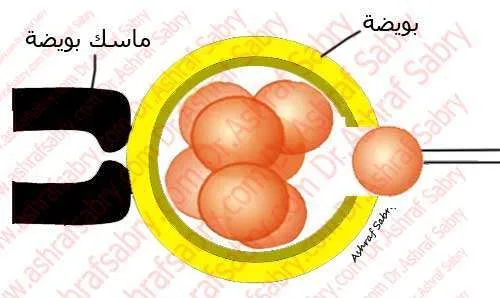
Failure of embryos to implant after transfer is one of the main obstacles in IVF. An embryo is surrounded by a protective shell, the zona pellucida, which it must break out of (“hatch”) before it can embed in the uterine lining. It has been suggested that some embryos have difficulty hatching.
Assisted hatching makes a small opening or thinned area in the zona before transfer, using a laser (now the standard method), a fine micro-needle or a mild chemical solution, with the aim of helping the embryo hatch and implant.

Does it help?
Large reviews show that routine assisted hatching does not increase live birth rates for most IVF patients. ESHRE therefore does not recommend it as a routine add-on. It may still be considered case by case, for example with frozen-thawed embryos or when the zona is unusually thick. Laser opening of the zona is also part of embryo biopsy for genetic testing (PGT). Your specialist will advise whether it is useful in your case.
International Guidelines
In line with global standards, Dr. Sabry follows the latest recommendations from the American Society for Reproductive Medicine (ASRM), European Society of Human Reproduction and Embryology (ESHRE), and Royal College of Obstetricians and Gynaecologists (RCOG). Thus, patients receive care that is safe, ethical, and evidence-based.
Our Patient Reviews
Discover what patients say about us on Google Maps, Vezeeta, and WhatClinic.
Why Choose Dr. Ashraf Sabry?
Dr. Ashraf Sabry, consultant in obstetrics, gynecology, fertility, and aesthetic gynecology, is recognized among the best OBGYN and fertility specialists in Cairo. With over 20 years of experience, he combines science and compassion to provide world-class care. Book your appointment through the contact page, WhatsApp, or call +201022224442.