Category: Assisted Reproduction

  • IVF and ICSI: A Step-by-Step Guide

    IVF and ICSI: A Step-by-Step Guide

    In vitro fertilization (IVF) means fertilizing the egg with sperm outside the body, in the laboratory. The first IVF baby, Louise Brown, was born in the United Kingdom in 1978. Today, more than 12 million children worldwide have been born through IVF.

    Who needs IVF?

    • Blocked or damaged fallopian tubes.
    • Severe pelvic adhesions.
    • Significant male factor, such as a very low sperm count or motility, or sperm retrieved from the testis.
    • Endometriosis, especially moderate or severe.
    • Polycystic ovary syndrome that has not responded to simpler treatment.
    • Long-standing unexplained infertility, or failure of other treatments such as IUI.
    • Women over 35, where there is less time for repeated trials.
    • Couples needing genetic testing of embryos (PGT), including for gender selection, or fertility preservation.
    Ultrasound-guided egg collection
    Ultrasound-guided egg collection

    Step 1: Preparation

    The couple first receives a full explanation of the treatment, its success rates and its risks. Both partners are assessed to identify anything that could reduce the chance of pregnancy: screening for vaginal, cervical or semen infections, infection screening blood tests, ovarian reserve tests (AMH and antral follicle count) for the woman, and a semen analysis for the man. A pelvic ultrasound checks the ovaries, the shape and cavity of the uterus, and the tubes.

    Problems are treated before starting: for example, polyps or fibroids distorting the uterine cavity are removed, and a hydrosalpinx (a swollen, fluid-filled tube) is removed or blocked, because its fluid flowing back into the uterus roughly halves the chance of success.

    Step 2: Ovarian stimulation

    IVF aims to collect several mature eggs, which increases the number of embryos and the chance of pregnancy. The main medications are:

    Gonadotropin injections (FSH and LH)

    Available as human menopausal gonadotropin (hMG), purified urinary FSH and recombinant FSH. The dose is tailored to each woman’s age, AMH, antral follicle count and previous response.

    GnRH agonists

    These first stimulate and then switch off the pituitary’s release of FSH and LH, preventing premature ovulation. They are also used to shrink fibroids and endometriosis.

    GnRH antagonists

    These block the pituitary immediately and are used for a few days during stimulation to prevent premature ovulation.

    The trigger injection

    hCG, which acts like LH, or a GnRH agonist trigger in women at risk of OHSS, completes egg maturation once the follicles are ready.

    Stimulation protocols

    Antagonist protocol

    Injections start on day 2–3 of the period, and the antagonist is added after about five days or when the lead follicles reach about 13–14 mm. It is now the most widely used protocol: shorter, with fewer injections, and with a much lower risk of OHSS.

    Long agonist protocol

    The agonist is started about a week before the expected period (around day 21). After 10–14 days, a blood test and ultrasound confirm that the pituitary is suppressed (low estrogen and thin lining), and stimulation injections are then started while the agonist continues. It is still used in selected cases, such as endometriosis.

    Short agonist protocol

    The agonist and stimulation injections both start at the beginning of the cycle. It is now used less often.

    Mild and natural-cycle IVF

    Lower doses, or no stimulation, may suit some women, such as those with a low reserve.

    Monitoring

    During stimulation, transvaginal ultrasound measures the growing follicles, which grow about 1.5–2 mm a day, and the lining, often with estrogen blood tests. When enough follicles reach about 17–20 mm, the trigger injection is given, and egg collection is scheduled about 36 hours later.

    Stimulated ovary with multiple follicles
    Stimulated ovary with multiple follicles
    Ultrasound of the uterine lining
    The uterine lining on ultrasound

    Step 3: Sperm collection

    On the day of egg collection, the husband provides a semen sample, usually by masturbation; a second sample may be requested if the count is very low. If there are no sperm in the semen, sperm can be retrieved from the testis on the same day, or a previously frozen sample used.

    Step 4: Egg collection

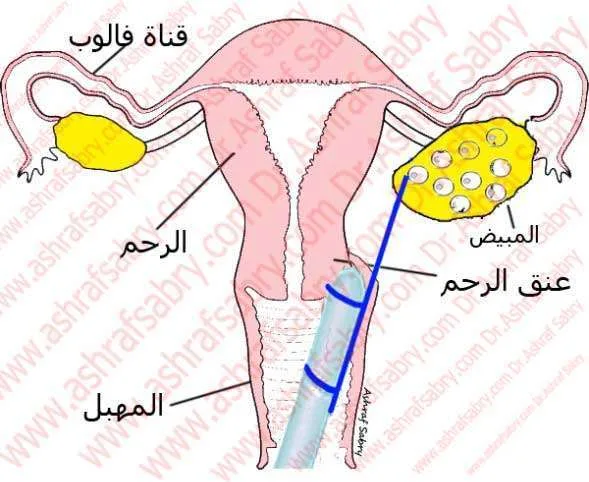
    In the past, eggs were collected by laparoscopy under general anaesthesia. Today, they are collected through the vagina using an ultrasound probe fitted with a fine needle connected to gentle suction. Each follicle is seen on the screen, punctured and its fluid aspirated. The procedure takes about 15–30 minutes under light sedation or anaesthesia, and eggs are recovered from about 80% of follicles. Most women go home after a few hours and start progesterone to prepare the uterine lining.

    Transvaginal egg collection
    Egg collection

    Step 5: In the laboratory

    The follicular fluid is examined under the microscope to find the eggs, which are placed in culture medium containing everything they need. Eggs for ICSI have their surrounding cells removed and are graded by maturity. They are kept in an incubator at body temperature with a carefully controlled mixture of oxygen, carbon dioxide and nitrogen. Meanwhile, the sperm are washed and prepared to select the most motile, healthy sperm.

    Step 6: Fertilization

    Conventional IVF

    Prepared sperm are placed with the eggs in a dish and left in the incubator, so that a sperm penetrates each egg naturally.

    ICSI (intracytoplasmic sperm injection)

    Under a special microscope magnifying about 400 times, the embryologist uses micromanipulators to handle the egg and sperm. A single sperm is immobilized and drawn into a fine glass needle; the egg is held steady with a holding pipette; and the needle passes through the egg’s shell and membrane to inject the sperm directly into its cytoplasm. ICSI is essential for male factor infertility or previous fertilization failure, and is used for PGT cycles.

    Conventional IVF
    Conventional IVF (in vitro fertilization)
    ICSI
    Intracytoplasmic sperm injection (ICSI)

    Step 7: Embryo development

    About 16–18 hours after insemination, the eggs are checked for fertilization: a normally fertilized egg shows two pronuclei, one from the egg and one from the sperm. Embryos are then cultured and graded by the number and evenness of their cells and the amount of fragmentation. Most clinics now culture embryos to day 5 (the blastocyst stage), which allows the strongest embryo to be selected. Time-lapse incubators allow embryos to be monitored without disturbing them.

    Step 8: Embryo transfer

    On day 3 or, more often, day 5, the selected embryo is transferred into the uterus through a fine, soft catheter designed not to harm the embryo or the lining. Under ultrasound guidance, the cervix is gently cleaned and the catheter passed slowly into the uterus to place the embryo at the ideal depth. The procedure takes a few minutes and usually needs no anaesthesia. Bed rest afterwards is not needed.

    The number of embryos transferred depends on the woman’s age, embryo quality and previous attempts. To avoid the risks of twins and higher-order multiples, current guidelines recommend transferring a single blastocyst in most women, especially those under 35, and no more than two in most cases. Remaining good-quality embryos are frozen for future use.

    Embryo transfer
    Embryo transfer to the uterus

    After the transfer

    Progesterone support continues to prepare the lining and support early pregnancy. Normal light activity is fine. About 9–12 days after a blastocyst transfer, a blood test measures the pregnancy hormone (hCG). If positive, an ultrasound about two to three weeks later confirms that the pregnancy is inside the uterus and developing normally. Sometimes hCG rises only slightly and no pregnancy is seen on ultrasound (a biochemical pregnancy), which is a very early loss.

    Risks of IVF

    Multiple pregnancy

    Transferring more than one embryo increases the chance of twins or triplets, which carry higher risks of miscarriage, preterm birth and complications for mother and babies. Single embryo transfer largely prevents this.

    Ovarian hyperstimulation syndrome (OHSS)

    OHSS is an exaggerated response to stimulation drugs, more common in women with PCOS or high AMH. Fluid leaks from blood vessels into the abdomen and sometimes the chest, causing bloating, pain, nausea and vomiting, reduced urine and, in severe cases, breathlessness. Mild cases settle at home with fluids and rest; moderate cases need close monitoring; severe cases need hospital admission for intravenous fluids, prevention of blood clots and, if needed, drainage of abdominal fluid. Modern practice (antagonist protocols, agonist triggers and freezing all embryos) has made severe OHSS rare.

    Egg collection complications

    Rarely, bleeding, injury to a blood vessel or bowel, or pelvic infection can occur.

    Hormone levels during ovarian stimulation
    Hormone levels during ovarian stimulation

    Why IVF may not succeed

    • The woman’s age is the strongest factor, because egg quality and the proportion of chromosomally normal embryos fall with age.
    • Embryo chromosomal abnormalities are the main reason embryos fail to implant or miscarry.
    • The uterine lining may be thin or affected by polyps, adhesions or chronic endometritis.
    • The number of eggs and embryos available, which depends on ovarian reserve.

    After an unsuccessful cycle, a review of the stimulation, the laboratory results and the uterus guides changes for the next attempt. Learn more on our IVF and ICSI page.


    International Guidelines

    In line with global standards, Dr. Sabry follows the latest recommendations from the American Society for Reproductive Medicine (ASRM), European Society of Human Reproduction and Embryology (ESHRE), and Royal College of Obstetricians and Gynaecologists (RCOG). Thus, patients receive care that is safe, ethical, and evidence-based.

    Our Patient Reviews

    Discover what patients say about us on Google Maps, Vezeeta, and WhatClinic.

    Why Choose Dr. Ashraf Sabry?

    Dr. Ashraf Sabry, consultant in obstetrics, gynecology, fertility, and aesthetic gynecology, is recognized among the best OBGYN and fertility specialists in Cairo. With over 20 years of experience, he combines science and compassion to provide world-class care. Book your appointment through the contact page, WhatsApp, or call +201022224442.
  • Intrauterine Insemination (IUI)

    Intrauterine Insemination (IUI)

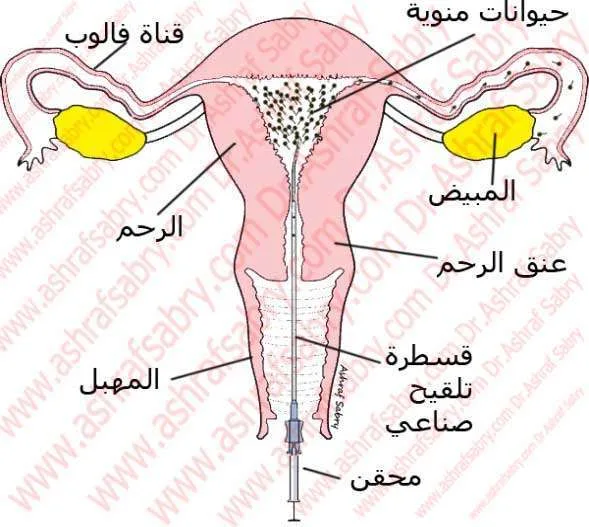
    In intrauterine insemination (IUI), prepared and concentrated sperm are placed directly inside the uterine cavity through a thin catheter passed through the cervix, around the time of ovulation.

    IUI gives a higher chance of pregnancy per cycle than timed intercourse, because the most active sperm are selected and placed close to the egg, often combined with mild stimulation to produce one or two eggs. Success rates are typically around 10–20% per cycle, depending mainly on the woman’s age and the cause of infertility. If three or four cycles do not result in pregnancy, moving on to IVF is usually recommended.

    Who is IUI suitable for?

    • Mild male factor: a modestly low sperm count or motility.
    • Difficulty with intercourse, such as erectile or ejaculation problems, or vaginismus.
    • Cervical factors, including unfavourable mucus.
    • Unexplained infertility in younger women.
    • Mild endometriosis.
    • Ovulation disorders such as PCOS when timed intercourse has not worked.

    At least one fallopian tube must be open, and the sperm count must be adequate after preparation. IUI is not suitable for blocked tubes, severe male factor or reduced ovarian reserve, where IVF is more effective.

    Steps of IUI

    Preparation

    After the treatment, its success rates and risks have been fully explained, both partners are assessed: screening for vaginal, cervical or semen infections, hormone tests and ovarian reserve for the woman, and a semen analysis for the man. A pelvic ultrasound checks for ovarian cysts, hydrosalpinx and the shape of the uterus, and tubal patency is confirmed. Problems such as polyps or fibroids in the uterine cavity should be treated first.

    Ovarian stimulation

    IUI can be done in a natural cycle, but mild stimulation to grow one or two follicles usually improves success. The aim is not to produce many eggs, because that sharply raises the risk of multiple pregnancy. Medications include letrozole or clomiphene tablets, or low-dose gonadotropin (FSH) injections. Clomiphene can thin the lining, alter the cervical mucus and occasionally cause visual disturbances; letrozole is increasingly preferred. See ovarian stimulation and ovulation induction for details of each medicine.

    Monitoring and timing

    During stimulation, transvaginal ultrasound measures the growing follicles, which grow about 1.5–2 mm a day, and the lining, sometimes with estrogen blood tests. When the lead follicle reaches about 17–20 mm and the lining is suitable, an hCG trigger injection is given to complete egg maturation, and IUI is performed about 24–36 hours later. If too many follicles develop, the cycle is cancelled to avoid a multiple pregnancy.

    Sperm preparation

    The semen sample is usually produced by masturbation on the day of IUI. In the laboratory, the sperm are washed with special culture media and separated from the seminal fluid and other cells, using density gradient centrifugation or a “swim-up” technique that selects the most active sperm. The concentrated motile sperm are then drawn into a fine catheter.

    Insemination

    The prepared sperm are placed into the uterine cavity through a thin, soft catheter passed through the cervix. The procedure takes a few minutes, feels similar to a smear test and needs no anaesthesia. Normal activity can be resumed straight away, and a pregnancy test is done about two weeks later.

    Intrauterine insemination
    Intrauterine insemination (IUI)

    Risks of IUI

    Multiple pregnancy

    Stimulation increases the chance of twins or more. Careful monitoring, low doses and cancelling cycles with too many follicles keep this risk low.

    Ovarian hyperstimulation syndrome (OHSS)

    OHSS is an exaggerated response of the ovaries to fertility drugs, more common in women with PCOS. It is rare with the low doses used for IUI. Fluid leaks from blood vessels into the abdomen and sometimes the chest, causing bloating, abdominal pain, nausea and vomiting, reduced urine and, in severe cases, breathlessness.

    • Mild OHSS: mild bloating and discomfort. Managed at home with plenty of fluids, painkillers such as paracetamol and rest; it settles on its own.
    • Moderate OHSS: more pain and swelling, with ultrasound showing fluid in the abdomen. Needs close medical monitoring of fluids, weight and blood tests.
    • Severe OHSS: severe pain, marked abdominal swelling, breathlessness or very little urine. Requires hospital admission for intravenous fluids, close monitoring, prevention of blood clots and, if needed, drainage of abdominal fluid, to protect kidney function.

    Contact the clinic immediately if you have severe pain, marked bloating, vomiting, reduced urine or difficulty breathing.


    International Guidelines

    In line with global standards, Dr. Sabry follows the latest recommendations from the American Society for Reproductive Medicine (ASRM), European Society of Human Reproduction and Embryology (ESHRE), and Royal College of Obstetricians and Gynaecologists (RCOG). Thus, patients receive care that is safe, ethical, and evidence-based.

    Our Patient Reviews

    Discover what patients say about us on Google Maps, Vezeeta, and WhatClinic.

    Why Choose Dr. Ashraf Sabry?

    Dr. Ashraf Sabry, consultant in obstetrics, gynecology, fertility, and aesthetic gynecology, is recognized among the best OBGYN and fertility specialists in Cairo. With over 20 years of experience, he combines science and compassion to provide world-class care. Book your appointment through the contact page, WhatsApp, or call +201022224442.

  • Ovarian Stimulation and Ovulation Induction

    Ovulation induction aims to produce one or two mature eggs in women who do not ovulate regularly, while ovarian stimulation for IVF aims to grow several eggs in a controlled way. The main medications are described below.

    Letrozole

    Letrozole is a tablet that briefly lowers estrogen production, prompting the brain to release more FSH. It is now the first-line medication for ovulation induction in polycystic ovary syndrome (PCOS), with higher live birth rates than clomiphene and less negative effect on the uterine lining and cervical mucus.

    Clomiphene citrate (Clomid)

    Clomiphene blocks estrogen receptors in the brain, so the brain senses low estrogen and responds by raising FSH and LH, which stimulates follicle growth. It is taken as tablets. It can thin the uterine lining and make cervical mucus less favourable to sperm, and may cause hot flushes, headaches and visual disturbances (which require stopping the drug). Like other stimulation drugs, it increases the chance of twins, and occasionally ovarian cysts.

    Tamoxifen

    Tamoxifen works in a similar way to clomiphene and is occasionally used as an alternative.

    Gonadotropin injections (FSH and LH)

    These injections contain measured doses of FSH, with or without LH. They are available as human menopausal gonadotropin (hMG), purified urinary FSH, and recombinant FSH made by biotechnology. They are used for ovulation induction when tablets fail, for IUI cycles and for IVF stimulation. Doses are tailored to age, AMH and antral follicle count, and response is monitored by ultrasound, because the main risks are multiple pregnancy and ovarian hyperstimulation syndrome (OHSS).

    Medications to lower prolactin

    When raised prolactin is the cause of absent ovulation, cabergoline (once or twice weekly, with fewer side effects) or bromocriptine (daily, more often causes nausea) usually restores ovulation.

    GnRH agonists

    GnRH agonists first stimulate the pituitary and then switch off its release of FSH and LH. They are used to shrink fibroids or endometriosis, and in some IVF protocols (“long protocol”) to prevent premature ovulation while gonadotropins stimulate the ovaries. A single dose of a GnRH agonist can also be used as the ovulation trigger, which greatly reduces the risk of OHSS.

    GnRH antagonists

    GnRH antagonists block the pituitary immediately. Started a few days into stimulation, they prevent premature ovulation. The antagonist protocol is now the most widely used IVF protocol because it is shorter, needs fewer injections and has a lower risk of OHSS.

    The trigger injection (hCG)

    hCG has a structure similar to LH. Once the follicles reach the right size, it is given to trigger final egg maturation, and ovulation or egg collection is timed precisely around it (egg collection is usually about 36 hours later).


    International Guidelines

    In line with global standards, Dr. Sabry follows the latest recommendations from the American Society for Reproductive Medicine (ASRM), European Society of Human Reproduction and Embryology (ESHRE), and Royal College of Obstetricians and Gynaecologists (RCOG). Thus, patients receive care that is safe, ethical, and evidence-based.

    Our Patient Reviews

    Discover what patients say about us on Google Maps, Vezeeta, and WhatClinic.

    Why Choose Dr. Ashraf Sabry?

    Dr. Ashraf Sabry, consultant in obstetrics, gynecology, fertility, and aesthetic gynecology, is recognized among the best OBGYN and fertility specialists in Cairo. With over 20 years of experience, he combines science and compassion to provide world-class care. Book your appointment through the contact page, WhatsApp, or call +201022224442.

  • IVF Patient Instructions: Egg Collection and Embryo Transfer

    Before egg collection

    • Confirm the time of your procedure with the centre, arrive one hour early, and bring your ID.
    • Come with a responsible adult who can take you home after the procedure.
    • Do not eat or drink for six hours beforehand. Showering and brushing your teeth are fine.
    • Wear comfortable clothes that are easy to take off and put on, and do not wear make-up or nail polish.
    • Tell your doctor about any medical problems or medications before the procedure.

    After egg collection

    • You can eat and drink about two hours after the procedure.
    • Rest at home for the rest of the day.
    • Travelling by car or other transport afterwards is safe.
    • Avoid vaginal douches, tampons and intercourse until your doctor advises otherwise.
    • Mild cramps and a few drops of blood are common; paracetamol can help with the discomfort.
    • Make sure you have your post-collection medications and instructions before leaving the centre.
    • Wait for the centre to call with the day and time of your embryo transfer (or with your freezing plan).

    Embryo transfer

    • Embryo transfer does not need general anaesthesia. You can leave shortly afterwards; staying longer at the centre does not improve results.
    • Wear comfortable clothes and do not wear make-up.
    • Take your prescribed medications (usually progesterone support) regularly until the pregnancy test and beyond, as directed.
    • Travelling by car, climbing stairs, showering daily and sleeping in any position you like are all safe.
    • There are no food or drink restrictions, apart from the usual pregnancy precautions.
    • Bed rest is not needed. Studies show normal daily activity does not reduce the chance of success; just avoid heavy lifting and strenuous exercise.
    • Light spotting is not a sign that treatment has failed. Do the pregnancy test on the scheduled day.
    • Avoid vaginal douches and tampons, and follow your doctor’s advice about intercourse.

    When to call the centre

    Contact the centre immediately if you have severe abdominal pain, marked bloating or a rapidly enlarging abdomen, persistent vomiting, shortness of breath, reduced urine, heavy bleeding or fever. These can be signs of ovarian hyperstimulation syndrome (OHSS) or another complication that needs prompt assessment.


    International Guidelines

    In line with global standards, Dr. Sabry follows the latest recommendations from the American Society for Reproductive Medicine (ASRM), European Society of Human Reproduction and Embryology (ESHRE), and Royal College of Obstetricians and Gynaecologists (RCOG). Thus, patients receive care that is safe, ethical, and evidence-based.

    Our Patient Reviews

    Discover what patients say about us on Google Maps, Vezeeta, and WhatClinic.

    Why Choose Dr. Ashraf Sabry?

    Dr. Ashraf Sabry, consultant in obstetrics, gynecology, fertility, and aesthetic gynecology, is recognized among the best OBGYN and fertility specialists in Cairo. With over 20 years of experience, he combines science and compassion to provide world-class care. Book your appointment through the contact page, WhatsApp, or call +201022224442.

  • IMSI: Selecting Healthy Sperm Under High Magnification

    IMSI: Selecting Healthy Sperm Under High Magnification

    IMSI (intracytoplasmic morphologically selected sperm injection) is a quick step performed before ICSI. A special microscope magnifies sperm up to about 6,000 times, compared with around 200–400 times in standard ICSI. This lets the embryologist see fine internal defects, such as vacuoles in the sperm head, and choose the most normal-looking sperm to inject into each egg.

    Normal sperm
    Normal sperm
    Abnormally shaped sperm
    Abnormally shaped sperm

    Does IMSI improve results?

    It was hoped that IMSI would raise pregnancy rates and lower miscarriage rates. However, systematic reviews have not shown a clear improvement in live birth rates compared with standard ICSI for most couples, and ESHRE does not recommend it as a routine add-on. It may be considered in selected cases, such as severe sperm abnormalities or repeated IVF failure linked to poor embryo development. Other sperm-selection methods, such as microfluidic sorting, are also being studied.


    International Guidelines

    In line with global standards, Dr. Sabry follows the latest recommendations from the American Society for Reproductive Medicine (ASRM), European Society of Human Reproduction and Embryology (ESHRE), and Royal College of Obstetricians and Gynaecologists (RCOG). Thus, patients receive care that is safe, ethical, and evidence-based.

    Our Patient Reviews

    Discover what patients say about us on Google Maps, Vezeeta, and WhatClinic.

    Why Choose Dr. Ashraf Sabry?

    Dr. Ashraf Sabry, consultant in obstetrics, gynecology, fertility, and aesthetic gynecology, is recognized among the best OBGYN and fertility specialists in Cairo. With over 20 years of experience, he combines science and compassion to provide world-class care. Book your appointment through the contact page, WhatsApp, or call +201022224442.

  • Gender Selection Before Embryo Transfer

    Gender Selection Before Embryo Transfer

    Gender selection (family balancing) identifies the sex of embryos created through IVF before they are transferred to the uterus, so that only embryos of the desired sex are transferred.

    Embryos are grown to the blastocyst stage (day 5). A laser makes a small opening in the embryo’s outer shell and a few cells are taken from the outer layer, which later forms the placenta. The cells are analysed by next-generation sequencing (NGS), which reads all 23 pairs of chromosomes, including the sex chromosomes: XX for a girl and XY for a boy. The embryos are frozen while results are awaited, and a chromosomally normal embryo of the desired sex is transferred in a later cycle.

    Chromosome analysis of an embryo

    Accuracy and limits

    Sex identification with NGS is more than 99% accurate. The older FISH method, which tested a single cell from a day-3 embryo, has been replaced because it was less reliable. What PGT cannot guarantee is that embryos of the desired sex will be available: this depends on how many eggs are collected, how many reach the blastocyst stage and how many are chromosomally normal, which is strongly affected by the woman’s age. A frank discussion of realistic chances before starting is essential.

    Learn more about our program on the IVF gender selection page.


    International Guidelines

    In line with global standards, Dr. Sabry follows the latest recommendations from the American Society for Reproductive Medicine (ASRM), European Society of Human Reproduction and Embryology (ESHRE), and Royal College of Obstetricians and Gynaecologists (RCOG). Thus, patients receive care that is safe, ethical, and evidence-based.

    Our Patient Reviews

    Discover what patients say about us on Google Maps, Vezeeta, and WhatClinic.

    Why Choose Dr. Ashraf Sabry?

    Dr. Ashraf Sabry, consultant in obstetrics, gynecology, fertility, and aesthetic gynecology, is recognized among the best OBGYN and fertility specialists in Cairo. With over 20 years of experience, he combines science and compassion to provide world-class care. Book your appointment through the contact page, WhatsApp, or call +201022224442.

  • Preimplantation Genetic Testing (PGT) of Embryos

    Preimplantation Genetic Testing (PGT) of Embryos

    Preimplantation genetic testing (PGT) checks embryos created by IVF for genetic or chromosomal problems before they are transferred to the uterus. There are three main types:

    • PGT-A: screens embryos for an abnormal number of chromosomes (aneuploidy), which is the main cause of failed implantation and miscarriage, especially as the woman’s age increases.
    • PGT-M: tests for a specific inherited single-gene disease that runs in the family, such as thalassaemia or cystic fibrosis.
    • PGT-SR: for couples where one partner carries a chromosomal rearrangement, such as a balanced translocation.

    How it is done

    Today, the biopsy is performed on day-5 blastocysts: a laser makes a small opening in the embryo’s shell and a few cells are taken from the outer layer (trophectoderm), which will later form the placenta, not the baby. The embryos are frozen while the cells are analysed, usually by next-generation sequencing (NGS), and an unaffected embryo is transferred in a later frozen cycle. Older methods, which removed a single cell from a day-3 embryo and analysed it with FISH, have been replaced because they were less accurate and more harmful to the embryo.

    Embryo biopsy for genetic testing

    Who may benefit?

    PGT-M and PGT-SR are clearly indicated for couples with a known genetic condition or chromosomal rearrangement. PGT-A may be considered in older women, recurrent miscarriage or repeated IVF failure, though it reduces miscarriage and time to pregnancy rather than guaranteeing a baby. Because it reports the sex chromosomes, PGT is also the basis of gender selection (family balancing).


    International Guidelines

    In line with global standards, Dr. Sabry follows the latest recommendations from the American Society for Reproductive Medicine (ASRM), European Society of Human Reproduction and Embryology (ESHRE), and Royal College of Obstetricians and Gynaecologists (RCOG). Thus, patients receive care that is safe, ethical, and evidence-based.

    Our Patient Reviews

    Discover what patients say about us on Google Maps, Vezeeta, and WhatClinic.

    Why Choose Dr. Ashraf Sabry?

    Dr. Ashraf Sabry, consultant in obstetrics, gynecology, fertility, and aesthetic gynecology, is recognized among the best OBGYN and fertility specialists in Cairo. With over 20 years of experience, he combines science and compassion to provide world-class care. Book your appointment through the contact page, WhatsApp, or call +201022224442.
  • Freezing Embryos, Eggs and Sperm

    Freezing Embryos, Eggs and Sperm

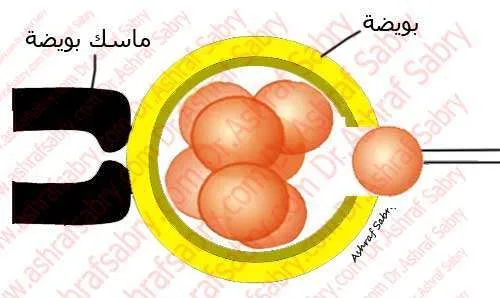
    Embryos are mixed with a protective solution (cryoprotectant) that shields them from damage during freezing, loaded into special straws, and stored in tanks of liquid nitrogen at −196 °C. At this temperature they can be stored safely for many years. Thawing involves warming the embryos and removing the protective solution before transfer.

    Vitrification: ultra-rapid freezing

    Older slow-freezing methods cooled embryos at about 0.3 °C per minute, and ice crystals could damage the cells. Today, vitrification is the standard method. Water inside the cells is replaced with cryoprotectant and the embryo is cooled extremely fast (thousands of degrees per minute), so the fluid turns into a glass-like solid without forming ice. With vitrification, more than 95% of good-quality blastocysts survive thawing, and pregnancy rates with frozen embryos are now similar to fresh transfers.

    When are embryos frozen?

    • Extra good-quality embryos after a fresh transfer, for a future pregnancy without another stimulation.
    • “Freeze-all” cycles when there is a risk of ovarian hyperstimulation syndrome (OHSS), a thin or unsuitable lining, or while waiting for genetic test results (PGT).
    • Before cancer treatment (chemotherapy or radiotherapy).

    Egg freezing

    Since vitrification, egg freezing has become a reliable option. Survival rates are high, and success depends mainly on the woman’s age at freezing and the number of eggs stored. It is used for fertility preservation before cancer treatment or by women who wish to delay pregnancy, ideally before 35.

    Freezing sperm and testicular tissue

    Sperm freezing benefits men before chemotherapy or radiotherapy, men with conditions that are lowering their sperm count, and men who will be away during treatment. Sperm retrieved surgically from the testis in men with azoospermia can also be frozen for later ICSI, avoiding repeated procedures.

    Cryopreservation in liquid nitrogen

    International Guidelines

    In line with global standards, Dr. Sabry follows the latest recommendations from the American Society for Reproductive Medicine (ASRM), European Society of Human Reproduction and Embryology (ESHRE), and Royal College of Obstetricians and Gynaecologists (RCOG). Thus, patients receive care that is safe, ethical, and evidence-based.

    Our Patient Reviews

    Discover what patients say about us on Google Maps, Vezeeta, and WhatClinic.

    Why Choose Dr. Ashraf Sabry?

    Dr. Ashraf Sabry, consultant in obstetrics, gynecology, fertility, and aesthetic gynecology, is recognized among the best OBGYN and fertility specialists in Cairo. With over 20 years of experience, he combines science and compassion to provide world-class care. Book your appointment through the contact page, WhatsApp, or call +201022224442.

  • Blastocyst Transfer in IVF

    Blastocyst Transfer in IVF

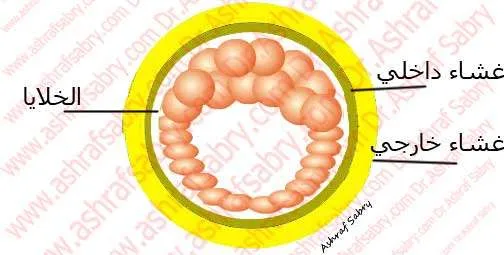
    A blastocyst is an embryo that has developed for five (sometimes six) days after fertilization. It has two parts: an inner cell mass, which becomes the baby, and an outer layer (trophectoderm), which is responsible for implantation and later forms the placenta.

    In the laboratory, embryos are grown in special culture media that support them to day 5, and the best-developed embryo is then transferred to the uterus. Day-5 transfer mimics natural conception, where the embryo reaches the uterus at the blastocyst stage, just as the lining is ready to receive it.

    Not every embryo reaches the blastocyst stage; typically around 40–50% of fertilized eggs do. This is not a loss caused by the lab: embryos that stop developing usually have chromosomal or developmental problems and would not have produced a pregnancy. Culturing to day 5 simply shows which embryos are most viable.

    Blastocyst-stage embryo

    Why blastocyst transfer is now standard

    • Higher implantation rate per embryo, so a single embryo can be transferred, avoiding the risks of twins.
    • It allows genetic testing of embryos (PGT), which is done on day-5 blastocysts.
    • It is particularly helpful after repeated failure with day-3 transfers.

    International Guidelines

    In line with global standards, Dr. Sabry follows the latest recommendations from the American Society for Reproductive Medicine (ASRM), European Society of Human Reproduction and Embryology (ESHRE), and Royal College of Obstetricians and Gynaecologists (RCOG). Thus, patients receive care that is safe, ethical, and evidence-based.

    Our Patient Reviews

    Discover what patients say about us on Google Maps, Vezeeta, and WhatClinic.

    Why Choose Dr. Ashraf Sabry?

    Dr. Ashraf Sabry, consultant in obstetrics, gynecology, fertility, and aesthetic gynecology, is recognized among the best OBGYN and fertility specialists in Cairo. With over 20 years of experience, he combines science and compassion to provide world-class care. Book your appointment through the contact page, WhatsApp, or call +201022224442.
  • Assisted Hatching in IVF

    Assisted Hatching in IVF

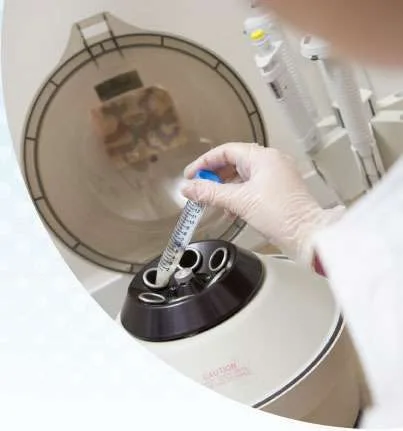
    Failure of embryos to implant after transfer is one of the main obstacles in IVF. An embryo is surrounded by a protective shell, the zona pellucida, which it must break out of (“hatch”) before it can embed in the uterine lining. It has been suggested that some embryos have difficulty hatching.

    Assisted hatching makes a small opening or thinned area in the zona before transfer, using a laser (now the standard method), a fine micro-needle or a mild chemical solution, with the aim of helping the embryo hatch and implant.

    Assisted hatching of an embryo

    Does it help?

    Large reviews show that routine assisted hatching does not increase live birth rates for most IVF patients. ESHRE therefore does not recommend it as a routine add-on. It may still be considered case by case, for example with frozen-thawed embryos or when the zona is unusually thick. Laser opening of the zona is also part of embryo biopsy for genetic testing (PGT). Your specialist will advise whether it is useful in your case.


    International Guidelines

    In line with global standards, Dr. Sabry follows the latest recommendations from the American Society for Reproductive Medicine (ASRM), European Society of Human Reproduction and Embryology (ESHRE), and Royal College of Obstetricians and Gynaecologists (RCOG). Thus, patients receive care that is safe, ethical, and evidence-based.

    Our Patient Reviews

    Discover what patients say about us on Google Maps, Vezeeta, and WhatClinic.

    Why Choose Dr. Ashraf Sabry?

    Dr. Ashraf Sabry, consultant in obstetrics, gynecology, fertility, and aesthetic gynecology, is recognized among the best OBGYN and fertility specialists in Cairo. With over 20 years of experience, he combines science and compassion to provide world-class care. Book your appointment through the contact page, WhatsApp, or call +201022224442.

  • Assisted Reproduction: When Is It Needed?

    Assisted Reproduction: When Is It Needed?

    Assisted reproductive techniques prepare the sperm, the egg or both outside the body and help them meet, in order to increase the chance of pregnancy. They range from intrauterine insemination (IUI) to IVF and ICSI.

    When is assisted reproduction recommended?

    • Blocked or damaged fallopian tubes.
    • Severe pelvic adhesions.
    • Low sperm count or other significant sperm problems in the male partner.
    • Endometriosis.
    • Polycystic ovary syndrome (PCOS) that does not respond to simpler ovulation treatment.
    • Long-standing unexplained infertility, or infertility that has not responded to other treatment.
    • Women over 35, where there is less time for repeated trials of simpler treatment.
    • Couples who need genetic testing of embryos (PGT) or fertility preservation.
    Ultrasound-guided egg collection
    Intrauterine insemination (IUI)

    International Guidelines

    In line with global standards, Dr. Sabry follows the latest recommendations from the American Society for Reproductive Medicine (ASRM), European Society of Human Reproduction and Embryology (ESHRE), and Royal College of Obstetricians and Gynaecologists (RCOG). Thus, patients receive care that is safe, ethical, and evidence-based.

    Our Patient Reviews

    Discover what patients say about us on Google Maps, Vezeeta, and WhatClinic.

    Why Choose Dr. Ashraf Sabry?

    Dr. Ashraf Sabry, consultant in obstetrics, gynecology, fertility, and aesthetic gynecology, is recognized among the best OBGYN and fertility specialists in Cairo. With over 20 years of experience, he combines science and compassion to provide world-class care. Book your appointment through the contact page, WhatsApp, or call +201022224442.