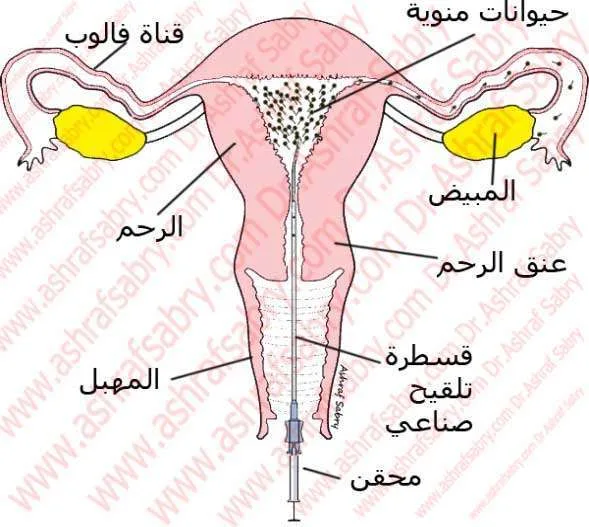
In intrauterine insemination (IUI), prepared and concentrated sperm are placed directly inside the uterine cavity through a thin catheter passed through the cervix, around the time of ovulation.
IUI gives a higher chance of pregnancy per cycle than timed intercourse, because the most active sperm are selected and placed close to the egg, often combined with mild stimulation to produce one or two eggs. Success rates are typically around 10–20% per cycle, depending mainly on the woman’s age and the cause of infertility. If three or four cycles do not result in pregnancy, moving on to IVF is usually recommended.
Who is IUI suitable for?
- Mild male factor: a modestly low sperm count or motility.
- Difficulty with intercourse, such as erectile or ejaculation problems, or vaginismus.
- Cervical factors, including unfavourable mucus.
- Unexplained infertility in younger women.
- Mild endometriosis.
- Ovulation disorders such as PCOS when timed intercourse has not worked.
At least one fallopian tube must be open, and the sperm count must be adequate after preparation. IUI is not suitable for blocked tubes, severe male factor or reduced ovarian reserve, where IVF is more effective.
Steps of IUI
Preparation
After the treatment, its success rates and risks have been fully explained, both partners are assessed: screening for vaginal, cervical or semen infections, hormone tests and ovarian reserve for the woman, and a semen analysis for the man. A pelvic ultrasound checks for ovarian cysts, hydrosalpinx and the shape of the uterus, and tubal patency is confirmed. Problems such as polyps or fibroids in the uterine cavity should be treated first.
Ovarian stimulation
IUI can be done in a natural cycle, but mild stimulation to grow one or two follicles usually improves success. The aim is not to produce many eggs, because that sharply raises the risk of multiple pregnancy. Medications include letrozole or clomiphene tablets, or low-dose gonadotropin (FSH) injections. Clomiphene can thin the lining, alter the cervical mucus and occasionally cause visual disturbances; letrozole is increasingly preferred. See ovarian stimulation and ovulation induction for details of each medicine.
Monitoring and timing
During stimulation, transvaginal ultrasound measures the growing follicles, which grow about 1.5–2 mm a day, and the lining, sometimes with estrogen blood tests. When the lead follicle reaches about 17–20 mm and the lining is suitable, an hCG trigger injection is given to complete egg maturation, and IUI is performed about 24–36 hours later. If too many follicles develop, the cycle is cancelled to avoid a multiple pregnancy.
Sperm preparation
The semen sample is usually produced by masturbation on the day of IUI. In the laboratory, the sperm are washed with special culture media and separated from the seminal fluid and other cells, using density gradient centrifugation or a “swim-up” technique that selects the most active sperm. The concentrated motile sperm are then drawn into a fine catheter.
Insemination
The prepared sperm are placed into the uterine cavity through a thin, soft catheter passed through the cervix. The procedure takes a few minutes, feels similar to a smear test and needs no anaesthesia. Normal activity can be resumed straight away, and a pregnancy test is done about two weeks later.

Risks of IUI
Multiple pregnancy
Stimulation increases the chance of twins or more. Careful monitoring, low doses and cancelling cycles with too many follicles keep this risk low.
Ovarian hyperstimulation syndrome (OHSS)
OHSS is an exaggerated response of the ovaries to fertility drugs, more common in women with PCOS. It is rare with the low doses used for IUI. Fluid leaks from blood vessels into the abdomen and sometimes the chest, causing bloating, abdominal pain, nausea and vomiting, reduced urine and, in severe cases, breathlessness.
- Mild OHSS: mild bloating and discomfort. Managed at home with plenty of fluids, painkillers such as paracetamol and rest; it settles on its own.
- Moderate OHSS: more pain and swelling, with ultrasound showing fluid in the abdomen. Needs close medical monitoring of fluids, weight and blood tests.
- Severe OHSS: severe pain, marked abdominal swelling, breathlessness or very little urine. Requires hospital admission for intravenous fluids, close monitoring, prevention of blood clots and, if needed, drainage of abdominal fluid, to protect kidney function.
Contact the clinic immediately if you have severe pain, marked bloating, vomiting, reduced urine or difficulty breathing.
International Guidelines
In line with global standards, Dr. Sabry follows the latest recommendations from the American Society for Reproductive Medicine (ASRM), European Society of Human Reproduction and Embryology (ESHRE), and Royal College of Obstetricians and Gynaecologists (RCOG). Thus, patients receive care that is safe, ethical, and evidence-based.
Our Patient Reviews
Discover what patients say about us on Google Maps, Vezeeta, and WhatClinic.
Why Choose Dr. Ashraf Sabry?
Dr. Ashraf Sabry, consultant in obstetrics, gynecology, fertility, and aesthetic gynecology, is recognized among the best OBGYN and fertility specialists in Cairo. With over 20 years of experience, he combines science and compassion to provide world-class care. Book your appointment through the contact page, WhatsApp, or call +201022224442.