Pregnancy urinary frequency increases and is normal in pregnancy as the uterus presses on the bladder while it grows. Frequency only increases and not pain. If there is pain you should consult your doctor because it might be a urinary tract infection.
Dr. Ashraf Sabry, consultant in obstetrics, gynecology, fertility, and aesthetic gynecology, is recognized among the best OBGYN and fertility specialists in Cairo. With over 20 years of experience, he combines science and compassion to provide world-class care. Book your appointment now through the contact page here or Whatsapp us or call us on +201022224442
Vacation is an exciting thing, and Traveling in pregnancy can happen after the first trimester because nausea and fatigue would be less by that time. It is preferable if you wear loose clothes and flat shoes. It is also good to have some snacks for the trip. Please walk every 2 hours to avoid swelling up your legs. Always revise with your doctor when Traveling in pregnancy
Dr. Ashraf Sabry, consultant in obstetrics, gynecology, fertility, and aesthetic gynecology, is recognized among the best OBGYN and fertility specialists in Cairo. With over 20 years of experience, he combines science and compassion to provide world-class care. Book your appointment now through the contact page here or Whatsapp us or call us on +201022224442
Smoking in pregnancy is highly forbidden in pregnancy or even to be around smokers. Smoking reduces the capacity of blood to carry oxygen leading to small-for-dates babies and sometimes preterm delivery.
Dr. Ashraf Sabry, consultant in obstetrics, gynecology, fertility, and aesthetic gynecology, is recognized among the best OBGYN and fertility specialists in Cairo. With over 20 years of experience, he combines science and compassion to provide world-class care. Book your appointment now through the contact page here or Whatsapp us or call us on +201022224442
Pregnancy Wear should be easy to wear, comfortable, putting in mind that your size will increase with time. Underwear is preferred to be from cotton.
Shoes with flat heals are better than high heals. On the contrary to the misconception that high heals results in abortion or premature labor. All what high heals does is adding extra load on the back muscles to keep the body straight and thus stressing them.
Dr. Ashraf Sabry, consultant in obstetrics, gynecology, fertility, and aesthetic gynecology, is recognized among the best OBGYN and fertility specialists in Cairo. With over 20 years of experience, he combines science and compassion to provide world-class care. Book your appointment now through the contact page here or Whatsapp us or call us on +201022224442
Sex in pregnancy should not stop unless you have a history of previous abortion or premature labor. It is advised to decrease it in the first 3 month where the gestational sac is not yet stable and in the last month as the seminal fluid has elements which cause contractions and might induce premature labor. Sex should be gentle and not rough, using positions which doesn’t add pressure on the abdomen. Some women feel disgusted from having sex during pregnancy because of her hormones or nausea or discharges while on the other hand other women have a more powerful sexual drive in pregnancy.
Dr. Ashraf Sabry, consultant in obstetrics, gynecology, fertility, and aesthetic gynecology, is recognized among the best OBGYN and fertility specialists in Cairo. With over 20 years of experience, he combines science and compassion to provide world-class care. Book your appointment now through the contact page here or Whatsapp us or call us on +201022224442
Resting in pregnancy is variable so we suggest 8 hours to the best amount of sleep per day. Sleeping in the afternoon is important too. You may find it hard to lay in bed now because of your growing abdomen or your back pain or even heartburn. You can lay down on your left side as it has been proven that it increases blood flow to the baby and reduced pressure on the inferior vena cava.
Dr. Ashraf Sabry, consultant in obstetrics, gynecology, fertility, and aesthetic gynecology, is recognized among the best OBGYN and fertility specialists in Cairo. With over 20 years of experience, he combines science and compassion to provide world-class care. Book your appointment now through the contact page here or Whatsapp us or call us on +201022224442
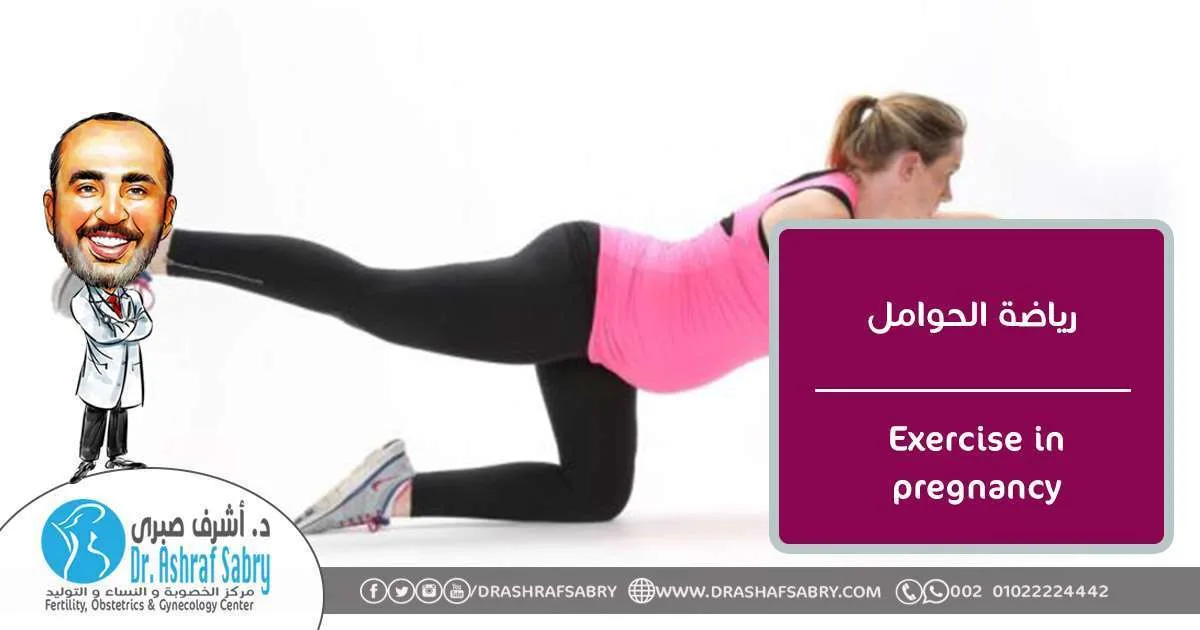
Exercise allows blood to run more thus pushing more oxygen and nutrients to the baby and to the mother’s muscles. Exercise decrease nausea, back pain, mal digestion, muscle spasms and also nervousness. It increases appetite, muscular power to pelvic muscles promoting easier delivery.
Exercise guidelines
Consult your doctor for advise on safe exercises.
Exercise should be regular and increase in intensity gradually.
There should be rest periods between exercises.
Stop exercising on any danger signs and consult your doctor.
Avoid exercising for long periods of time or in hot weather and always drink enough water.
Wear good cotton exercise suites and shoes.
Eat a small snack before exercise with 30 minutes and good meal after.
A pregnant woman in her third trimester should avoid doing any exercise that involves lying on her back for a long time
Exercise should be prevented in a woman with history of: Diabetes, hypertension, cardiac or chest problems, anemia, previous history of abortion or premature rupture of membranes or contractions or labor.
Exercise types
Outer Thigh Lift
Outer Thigh Lift
Exercise to strengthen your outer thigh (abductor) muscles, glutes.
Lie on your left side, your head resting on your hand, your shoulders, hips, and knees in a straight line. Slowly lift your top leg straight up and slightly back as high as you can and hold for 5 seconds then lower slowly . Do 5 times then change sides
Cat
Cat
Exercise to strengthen your back.
Start on your hands and knees, with your back in a natural relaxed position. By tightening your abdomen and buttocks, push your back up into a hump, and drop your head down and hold this position for 5 seconds then slowly return to the starting position. Repeat 10 times.
Step Up
Step Up
Exercise to strengthen thighs, hip flexors, hamstrings and gluteal muscles.
Start by standing with your feet 30 cm apart and infront of a step which is around 40 cm higher. Allow your arms to hang comfortably down by your sides. Keep your back straight and step up with your left leg. Step down off the step with your right foot first and then the left foot and return to the starting position. Repeat this action, alternating the leading leg each time. Do approximately 20 to 30 total repetitions.
Wall Press
Wall Press
Exercise to strengthen your chest , shoulder, back and arm muscles.
Stand a couple of cm from the wall and Place hands on the wall, shoulder width apart. Bend your arms and lower your chest to the wall, then straighten your arms and return to the starting position, repeat 10 times
Pelvic Thrust
Pelvic Thrust
Exercise to strengthen your gluteal muscles and lower back.
Lie on your back, with your legs bent at right angles and your arms by your side, palms facing down then Lift your hips until your spine and thighs are aligned. Hold this for 5 seconds then slowly return back . Repeat 10 times.
Neck Rotation
Neck Rotation
Exercise to strengthen neck muscles.
Stand or sit in a relaxed position, with your eyes closed. Gently roll your head around, making a full circle. Repeat 5 times one way, then repeat in the opposite direction
Hamstring Lift
Hamstring Lift
Exercise to strengthen your back, gluteals and hamstring muscles.
Start by resting on your hands and knees, with your back flat and abdominal muscles squeezed in tightly. Extend your leg straight behind you then left it up until it levels higher than your back . Hold for 5 seconds then lower your leg and repeat 10 times on one side then changes legs and repeat.
Forward Lunge Exercise
Forward Lunge Exercise
Exercise to strengthen your thighs, hip flexors, hamstrings and gluteal muscles.
Start by standing with your feet about 20 cm apart with your toes pointed forward. Step forward with one leg and lower your body to 90 degrees at both knees then Push up and back to the starting position. Repeat 10 times then change legs.
Squat
Squat
Exercise to strengthen your leg muscles.
Stand with your feet about two feet apart and toes turned comfortably out. Slowly bend your knees, keeping your back flat. Rise slowly, concentrating on the leg muscles as you push upward. Repeat 5 times then increase to 10
Side Lunge
Exercise to strengthen your adductor and abductor muscles, thighs and buttocks.
Start by standing with your feet comfortably apart with your toes pointed forward. Step to the side with one leg and lower your body slightly at both knees. Then Push up and back to the starting position. Repeat 10 times then change to the other side.
Forward Bend
Forward Bend
Exercise to strengthen your lower back.
Stand with your feet approximately 50cm apart. Then Bend slowly forward at the hips, keeping your back straight. Hold still for 5 seconds then raise your torso back to the standing position. Repeat 10 times.
Kegel
Pelvic floor muscles exercise-kegel exercise: pelvic floor muscles raise and support internal pelvic organs. For the exercise the woman imagines herself wanting to stop the flow of urine coming out. There is a certain muscle that she contracts to stop urine coming out. It should be contracted and held for some seconds then left to relax. She can go on contracting, holding for 3 seconds then relaxing the muscle repeatedly. She can do it while sitting or standing. The exercise intensity should rise gradually till she masters identifying the correct muscle.
Walking
Walking is one of the best kinds of activities you can do when you’re pregnant. It will give you more energy, improve your circulation, and reduce constipation, bloating, and swelling.
Yoga and pilates
They help strengthen your muscles and makes you comfortable.
Dr. Ashraf Sabry, consultant in obstetrics, gynecology, fertility, and aesthetic gynecology, is recognized among the best OBGYN and fertility specialists in Cairo. With over 20 years of experience, he combines science and compassion to provide world-class care. Book your appointment now through the contact page here or Whatsapp us or call us on +201022224442
You are pregnant, you are scared to gain much weight and at the same time you want to eat enough for your baby. Nutrition is the golden rule of pregnancy. Some people don’t know what to eat to provide the best for the baby. The food that you eat is transferred to the baby through the placenta so what you eat is very important.
Food is changed to energy units called Calories; the body uses what it needs and converts the extra to fat. A woman needs about 2200 calories daily while the pregnant woman needs about 2500 calories.
Recommended weight gain
Women with normal pre pregnancy weight: 11-16 kgs gain
Rate of weight gain : 1-2 kgs first trimester, 0.5 kgs/week till the end.
Food Consists of
Proteins: build up body tissue. Found in: Meat, fish, eggs, milks, green beans, rice, and bread.
Fats: Provide the body with energy. Found in meat, fish, egg yolk, milk.
Carbohydrates: Source of energy. Found in sugar, pastry, rice, fruits.
Essential elements: Iron is necessary for making Hemoglobin which carries oxygen. Found in Vegetables, liver, meat. Zinc is necessary for making proteins and enzymes. Iodine is necessary for thyroid gland function and Fluoride is important for teeth protection. Calcium is necessary for bone formation and to prevent leg cramps in the mother. Found in dairy products and milk. Magnesium, potassium and phosphorus are important for good muscular balance.
Vitamins: They help in all body bio-chemical reactions.
Vitamin B1: Helps in digestion. Found in whole grain wheat, yeast, potato.
Vitamin A : Essential for growth. Found in milk, butter, egg yolk, and fish. Its intake should be monitored as its excess is not recommended.
Vitamin B2, B5 : Necessary for cell division. Found in milk, whole grains, and vegetables.
Vitamin B3: :Helps building neural cells. Found in whole grains, green vegetables, eggs, and fish.
Folic Acid: Helps in cell formation and well formation of the fetus neural tube. It also helps in forming red blood. (Green beans, cabbage, citrates, meat, and chicken)
Vitamin B6: Helps in digestion, deficiency lead to neural psychosis and anemia.
Vitamin C: Promotes the binding material of vessels & tissues. Found in vegetables and fruits.
Vitamin D: Helps in calcium metabolism. Found in milk, egg yolk, butter.
Vitamin E is good for preventing varicosities and stretch marks. Found in carrots, tomatoes, soybeans, corn, asparagus, oatmeal, olive oil, sunflower oil, walnut oil, peanut oil.
Pregnancy Nutrition
A typical pregnancy diet: Your Diet has to be balanced: about 20% proteins, 30% fats and 50 % carbohydrates.
Proteins -6 ounce per day: an ounce is: 30g cooked fish, poultry or lean meat or lancheaon or sausage – 1/4 cup cooked beans(lentilse or hummus or beans) – 1 egg – 15 g nuts seeds.
Grains – 6 servings per day. a serving is: 1 slice 35 g bread – ½ muffin 35 g – ½ cup 125 ml : Brown rice, white rice, pasta – 3 cups 500 ml Popcorn – 1 cup cereals – 30g crackers – half cup oatmeal
Vegetables – 2.5 cups per day: a cup is: 1 cup yellow or orange vegetables (pumpkin, carrots, yellow beans, sweet potato, red sweet pepper) – 1 cup green vegetables (tomatoes, cabbage, peppers, broccoli, cucumber, egg plant, okra, soy beans, garlic, onion, parsley) – 1 cup starchy vegetables (corn, green peas, potatoes) – 1 cup vegetable juice – 2 cups dark green leafy greens (dandelion green, collards, spinach, lettuce,spinach).
Fruits 2 cups per day: a cup is: 1 cup 100% fruit juice – ½ cup dried fruit – 1 Medium sized fruit (apple, orange, banana, pear, plum, guava, kiwi, peach, mango, grapefruit) or 3 apricots, 2 figs, 30 grapes, ½ cup parries – 1 cup chopped fruit (cantaloupe, watermelon)
Milk Products – 3 servings per day: Serving e.g. is: 1 (250 ml) cup milk or yogurt – 50 grams of cheese – 1 and half cup of icecream – 1 cup of milk shake.
Oil – 5-6 tablespoons of oil. One tablespoons is : half a tablespoon of margarine or mayaonise – 15 g nuts – 8 olives
Liquids: Drink at least 8-10 glasses of water every day.
Vitamins and minerals: it can be taken by supplements written by your doctor.
Food warnings
Don’t eat raw meat or eggs
Don’t eat non-washed vegetables and fruits.
Don’t drink un-pasteurized milk.
Lower your salt intake. (Make it less than one tablespoon)
Always try to choose lean meat like turkey meat.
Always choose food with enough fibers and low sugar and low fat.
Eat little meals to make sure stomach is never empty or full.
Steer clear of greasy, spicy or high fat food.
Remain upright after meal and sleeping.
Wash your hands before handling food, wash all vegetables and fruit thoroughly and cook raw meat well.
Limit your tea intake as it lowers your iron absorption.
Caffeine: Limit your caffeine intake as it is an element that does not have any vitamins or minerals or nutritional values. It is stimulating; it increases heart rate, irritability, insomnia and headaches and is diuretic. It also lowers your iron absorption.
Alcohol: it is better not to have alcohol during pregnancy as it is rapidly transferred from mother blood to the fetus through the placenta. It has many side effects which include premature labor, abortion, restricted mental and physical growth of born children and FETAL ALCOHOL SYNDORME which causes defects in heart and face development in addition to mental and physical growth restriction after birth.
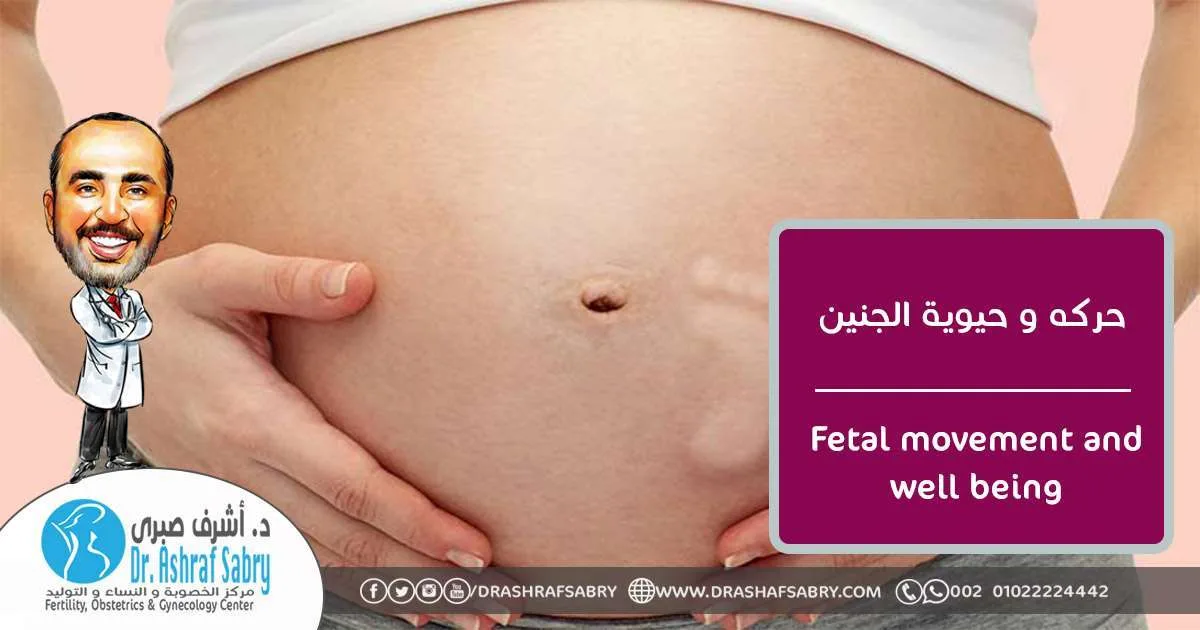
During 20-22 weeks you should start to feel your first movement which can be like bubbling in your stomach or waves on your abdomen. Fetal movement is an indicator of fetal wellbeing, so it is important that you become aware of it and call your doctor if anytime you feel your baby movement is less than before
What is Biophysical scan?
Ultraosund scan is done to document the fetus movement : breathing, limb extension, closing and opening of his hands, amniotic fluid volume which is an excellent indicator for placenta function.It can be done 1 or more times per week according to the necessity
What is Non stress test?
A simple non invasive examination which consists of putting two probes on the mother abdomen, one to measure fetal heart rate and the other to measure uterine contraction. The mother presses a button whenever she feels a fetal movement within the 20 minute exam time. The theory is that there should be a deceleration rate and pattern in the fetal heart rate that normally occurs after fetal movement in case of a well oxygenated fetus; if the pattern is not there exams should be done to know if there is a problem due to insufficient placental function, umbilical cord compression or drugs taken by the mother. If the exam results are not comforting prompt delivery should be done.
What is Doppler scan?
a Doppler can detect movement, it can be used to detect blood flow in vessels and is used in certain ultrasound machines while the other type can be used in clinics to hear fetal heart beats (sonic aid).
Dr. Ashraf Sabry, consultant in obstetrics, gynecology, fertility, and aesthetic gynecology, is recognized among the best OBGYN and fertility specialists in Cairo. With over 20 years of experience, he combines science and compassion to provide world-class care. Book your appointment now through the contact page here or Whatsapp us or call us on +201022224442
Dr. Ashraf Sabry answered all pregnant ladies concerns and wrote a comprehensive Prenatal Care book talking about everything to expect during and after pregnancy .Enjoy reading the Prenatal Care book.
Dr. Ashraf Sabry, consultant in obstetrics, gynecology, fertility, and aesthetic gynecology, is recognized among the best OBGYN and fertility specialists in Cairo. With over 20 years of experience, he combines science and compassion to provide world-class care. Book your appointment now through the contact page here or Whatsapp us or call us on +201022224442
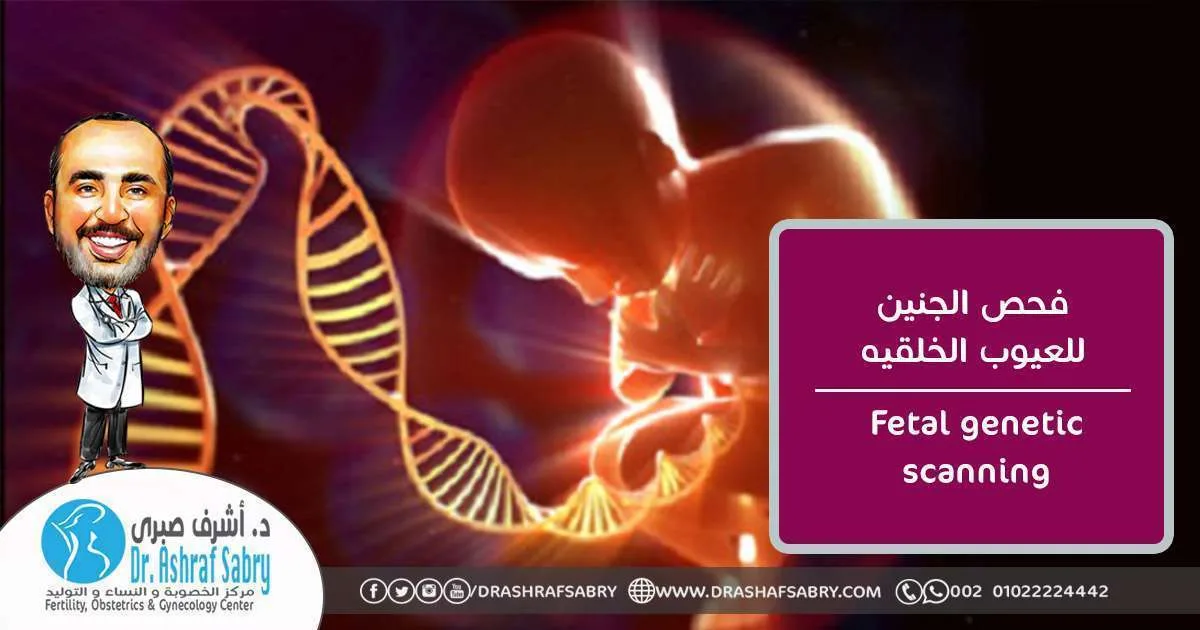
Fetal genetic screening is a test performed at 11-13 weeks of pregnancy that can identify more than 85% of babies with Down syndrome and trisomy 18. The screening involves
Ultrasonographic measurement of nuchal translucency (a skin fold behind the neck). A positive result is not diagnostic but indicates that an increased risk for a problem exists and that additional testing should be considered.
Chorionic villous sampling in week 13 which is taking a sample of the chorionic villi of the placenta for genetic analysis under the guidance of ultrasound machines for safety.
Second trimester scan
It is a test performed at 14-17 weeks of pregnancy that can identify more than 85% of genetic abnormalities. The screening involves
Biochemical analysis of maternal serum levels of beta-hCG (From the placenta), Free Estriol (From the fetus and placenta) and alphafeto protein (From the fetus)
Ultrasound anomaly scan at 18-21 weeks
Amniocentesis: It is performed at 16-20 weeks and it consists of a study of amniotic fluid after taking a sample of it by an aspiration needle guided through the abdomen by ultrasound to choose the safest and best location for aspiration.
Dr. Ashraf Sabry, consultant in obstetrics, gynecology, fertility, and aesthetic gynecology, is recognized among the best OBGYN and fertility specialists in Cairo. With over 20 years of experience, he combines science and compassion to provide world-class care. Book your appointment now through the contact page here or Whatsapp us or call us on +201022224442
Fetal inspection is done to check the normal growth of the fetus including its internal parts, the absence of any growth anomalies due to hereditary or genetic factors, absence of any disease in any organ of the fetus.
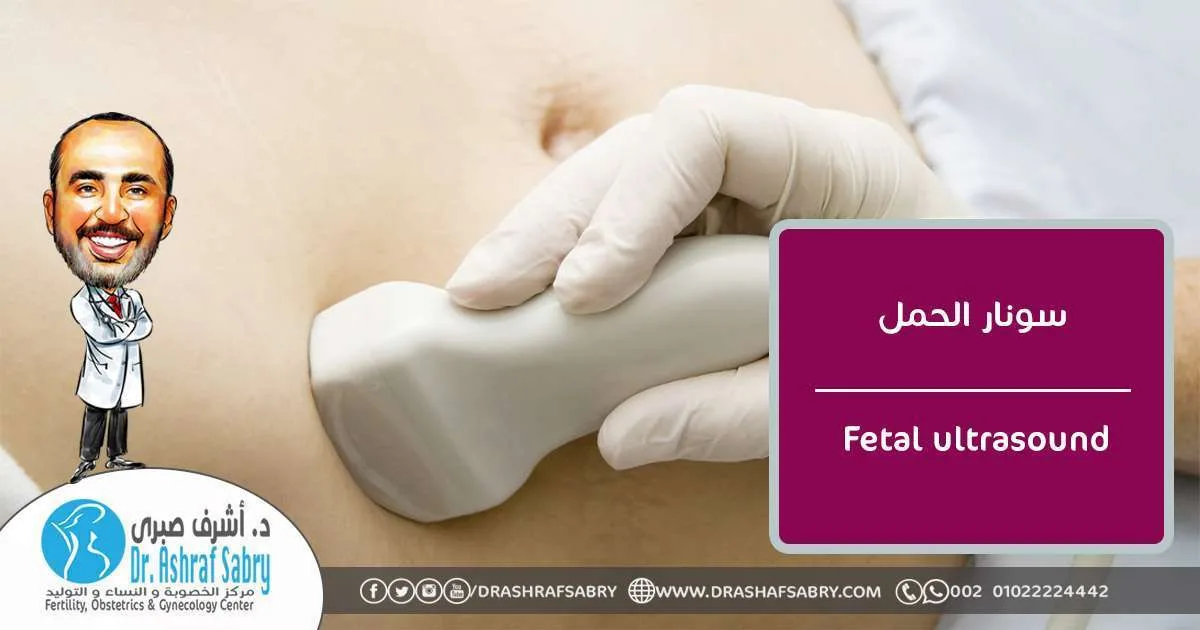
This is done by ultrasound which is a machine uses ultrasound waves to draw the internal organs of the mother and fetus on a display screen. There is two dimensional black and white ultrasonography, 3D ultrasonography which gives a more detailed 3 dimensional picture of the fetus, 4D ultrasonography which gives 3D picture in motion.
Ultrasound is used to
Confirms presence of pregnancy and its location and accurate dating of pregnancy.
Placental location and status.
Cervical canal length measurement.
Detailed scan at about 20 weeks to check any abnormalities in the baby’s structural development and growth.
Doppler scanning for fetal growth retardation and repeated abortions.
Amniotic fluid details.
Baby presentation.
Fetal sex.
Biophysical profile by checking the baby respiration, muscle movement and tone.
Dr. Ashraf Sabry, consultant in obstetrics, gynecology, fertility, and aesthetic gynecology, is recognized among the best OBGYN and fertility specialists in Cairo. With over 20 years of experience, he combines science and compassion to provide world-class care. Book your appointment now through the contact page here or Whatsapp us or call us on +201022224442
Your OBGYN does two roles, the first is inspecting your fetus and making sure it is growing well and without complications and the second is inspecting you to make sure that you are adapting well to pregnancy and interferes when he detects any problems. Your doctor will also provide a safe delivery plan and support during the post delivery period till you return back to your pre-pregnancy shape.
Good antenatal care has proven efficiency in reducing maternal and fetal problems and even death during pregnancy period or delivery period and after delivery period. In addition new techniques have been developed for prenatal testing that facilitated early detection of problems in the fetus which give parents time to check for medical or surgical treatment after birth and also to prevent the same problems from happening again in other pregnancies.
What does the doctor do in the first visit?
Your doctor will start an antenatal care file for you
He will ask you some medical and family history questions which have to be answered accurately like:
Blood group and Rh factor?
What illness did you have before?
Did you do any operation before?
Are you taking any medication?
Were you pregnant before and how did it go?
Is there any a familial disease or hereditary traits in your family.
And some other questions which will help him have a general idea on any risk factor that might happen during your pregnancy period.
Then he will ask you when was the first day of your last period?
Your weight and blood pressure will be recorded in the first visit
You will be asked to do some laboratory investigations (e.g. Blood Group, Rhesus factor, complete Blood picture, Blood Sugar, urine analysis, etc)
The doctor will decide upon the first ultrasound scan which will be around the 7th week of pregnancy. Usually the scan will be through your abdomen and you should have a full bladder. Sometimes the scan will be done through the vagina but the ultra sonographer will talk to you about this if it proves necessary.
He will give you instructions regarding nutrition, resting and exercising and will teach you the danger signs during pregnancy e.g. (vaginal spotting, fatigue, lower abdominal pain, severe vomiting or headache) any of which if you feel, you contact him at once. He will also explain all the fetal wellbeing exams that are performed.
Your doctor arranges your visit schedules according to your case. You have to follow your doctor instructions well to deliver a healthy baby. You have to discuss with your doctor any changes that happen so that he can differentiate between normal and abnormal changes.
Sometimes surgical interference occur (E.g. Cervical Cerculage)
What does the doctor do in every visit?
Each visit you will be inspected for weight, blood pressure, general inspection with the addition of inspecting the baby inside you .The doctor makes sure that everything is all right and there are no signs of danger like e.g. pre eclampsia, gestational diabetes.
Then he prescribes the appropriate nutrition for your pregnancy interval and exercises which are suitable for you.
Dr. Ashraf Sabry, consultant in obstetrics, gynecology, fertility, and aesthetic gynecology, is recognized among the best OBGYN and fertility specialists in Cairo. With over 20 years of experience, he combines science and compassion to provide world-class care. Book your appointment now through the contact page here or Whatsapp us or call us on +201022224442
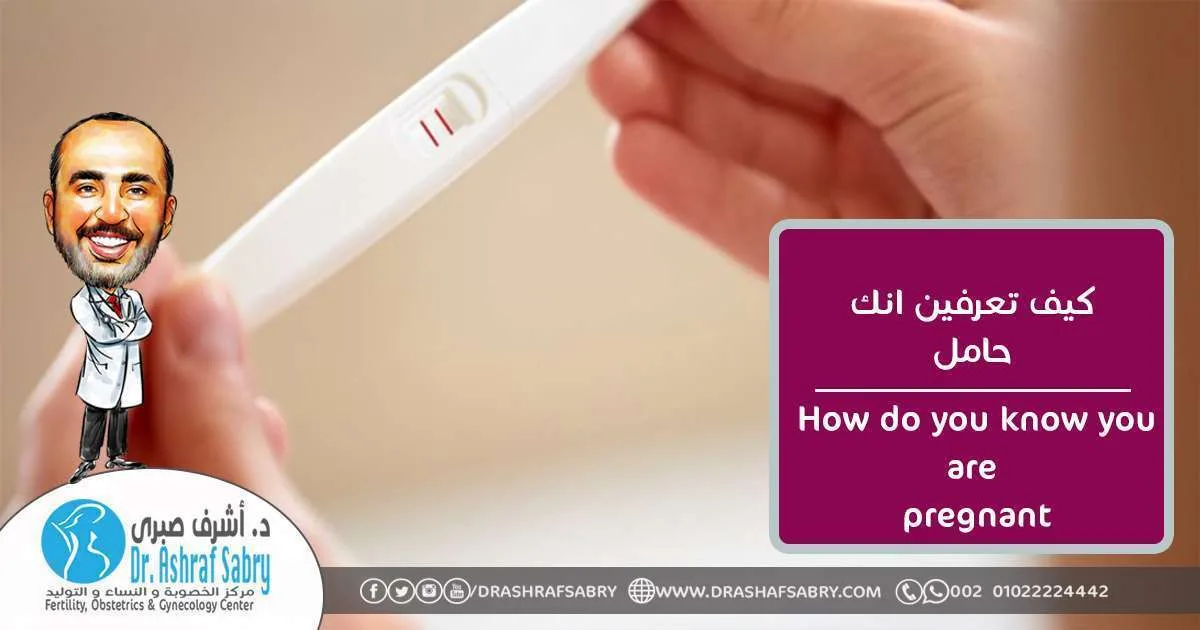
One of the main signs to tell yourself if you wonder if i am pregnant A delayed menstrual cycle is usually considered the first sign of pregnancy for a woman who menstruates regularly and has a regular sexual life. But for a woman with an abnormal cycle it would be difficult to notice it. The accurate proof of pregnancy is pregnancy hormone testing, it can be either
Home urine test: Very easy to use, affordable, but can give false results as it is not very sensitive. Better done after 14 days from ovulation day.
Blood testing: It can detect the hormone with 100% accuracy and in a very early period nearly 7 days after fertilization. It also helps in dating pregnancy by measuring the quantity of the hormone.
Dr. Ashraf Sabry, consultant in obstetrics, gynecology, fertility, and aesthetic gynecology, is recognized among the best OBGYN and fertility specialists in Cairo. With over 20 years of experience, he combines science and compassion to provide world-class care. Book your appointment now through the contact page here or Whatsapp us or call us on +201022224442
Dr Ashraf Sabry welcomes you to his clinic. Whether you are seeking fertility treatment, obstetrics and gynecology consultations, or aesthetic gynecology procedures, our team is here to help you schedule your appointment and answer all inquiries promptly. Therefore, you can contact Dr Ashraf Sabry directly through any of the following channels below.
Dr. Ashraf Sabry provides professional online gynecology consultation services for local and international patients. Through his Online Clinic, you can safely consult Dr. Ashraf wherever you are — for fertility, IVF, pregnancy care, or aesthetic gynecology — with full privacy and medical accuracy.
What Is the Online Clinic?
The Online Clinic is a secure telemedicine service that connects you directly to Dr. Ashraf Sabry via video consultation. It allows you to discuss your concerns, share reports, and receive accurate medical advice without needing a clinic visit. This service is especially helpful for patients living abroad or those seeking a second opinion before starting treatment in Egypt.
With over 20 years of experience in fertility, IVF, and aesthetic gynecology, Dr. Ashraf Sabry extends his expertise through secure online consultations. He combines personalized medical care with modern communication technology to ensure comfort, privacy, and accuracy for each patient worldwide.
Dr. Ashraf Sabry, consultant in obstetrics, gynecology, fertility, and aesthetic gynecology, is recognized among the best OBGYN and fertility specialists in Cairo. With over 20 years of experience, he combines science and compassion to provide world-class care. Book your appointment now through the contact page here or Whatsapp us or call us on +201022224442
Dr. Ashraf Sabry shares your journey from start to motherhood & beyond. He offers comprehensive OBGYN Fertility Aesthetic Gynecology Services in Cairo, combining medical expertise and patient-centered care with the latest international guidelines. With over 20 years of experience, he creates individualized treatment plans integrating fertility, pregnancy care, gynecology, and IntimiPlasty™ — his signature aesthetic approach to women’s health.
Puberty: Understanding the Changes
Puberty is a significant stage of transformation. During this time, we guide young women to understand their bodies and build confidence. Moreover, our services include menstrual health education, hormonal balance management, and personalized consultations for both young women and their families.
As you move into your reproductive years, we are ready to support your fertility goals or reproductive health choices. In addition, our comprehensive fertility care includes contraceptive counseling, preconception planning, fertility testing, and customized treatment plans — all handled with compassion and precision.
Pregnancy is both exciting and transformative. Therefore, our goal is to help you have a safe, healthy, and joyful experience. We offer routine and high-risk pregnancy care, prenatal ultrasounds, labor and delivery support, and complete postpartum follow-up for recovery and reassurance.
When natural conception becomes difficult, we provide advanced fertility solutions. Our services include In Vitro Fertilization (IVF), Intracytoplasmic Sperm Injection (ICSI), laparoscopic fertility surgeries, and freezing and storage of eggs, sperm, and embryos. As a result, couples receive complete care designed to achieve the best possible outcomes.
General Gynecology Health and Early Cancer Detection
Your general gynecological health is essential. That’s why we focus on early detection and prevention. Our services include Pap smears, HPV testing, pelvic and breast exams, ultrasounds, and treatment of menstrual or bleeding disorders. Furthermore, we help manage fibroids, prolapse, and gynecological masses while promoting overall wellness.
Cosmetic Gynecology IntimiPlasty™: Enhancing Comfort and Confidence
Our IntimiPlasty™ program focuses on intimate comfort and aesthetic enhancement. Through cosmetic gynecology, we improve both function and confidence. These services include vaginal rejuvenation, labiaplasty, clitoral hood reduction, PRP injections, and treatment of vaginal spasms. Consequently, women experience improved comfort and self-assurance in their intimate health.
Menopause is a natural life stage that brings change and opportunity. Our team helps you manage symptoms and maintain a fulfilling lifestyle. For instance, we provide hormone replacement therapy (HRT), osteoporosis prevention, sexual wellness programs, and personalized menopausal care — helping you embrace this new phase with balance and vitality.
International Patient Service and Medical Tourism for IVF & Family Balancing and Aesthetic Gynecology in Egypt
Since 2001, Dr. Ashraf Sabry has established a premiere International Patient Service and Medical Tourism for IVF & Family Balancing and Aesthetic Gynecology in Egypt, offering world-class reproductive medicine and advanced aesthetic gynecology services. Moreover by combining our services with the legendary hospitality of Egypt you can achieve your health and wellness goals with absolute privacy while exploring the world-renowned wonders of Cairo and the Nile.” Learn more about our International Patient Service and Medical Tourism services
Online Clinic: Distance Is No Longer a Problem
Our “Online Clinic” makes expert care accessible wherever you are. You can consult with Dr. Ashraf Sabry remotely, share test results, and receive medical advice and treatment plans online. This convenient service also simplifies your travel if you’re coming for IVF, PGD, or gender selection in Egypt.
Empowering Women’s Health
We believe knowledge empowers women. Therefore, Dr. Ashraf Sabry shares ongoing educational content through informative videos, podcasts, and social media updates — ensuring women stay informed and confident in every stage of life.
Our Approach in OBGYN Fertility Aesthetic Gynecology Services
First, every consultation begins with careful assessment and open discussion. Next, a personalized plan is designed using the simplest and most effective treatment options. Finally, this step-by-step approach ensures precision, trust, and excellent results in women’s healthcare.
Dr. Ashraf Sabry, consultant in obstetrics, gynecology, fertility, and aesthetic gynecology, is recognized among the best OBGYN and fertility specialists in Cairo. With over 20 years of experience, he combines science and compassion to provide world-class care. Book your appointment now through the contact page here or Whatsapp us or call us on +201022224442
Dr. Ashraf Sabry is a consultant in fertility, IVF, aesthetic gynecology, and obstetrics & gynecology based in Cairo, Egypt. He is passionate about empowering women through health awareness and personalized medical care. With degrees from Cairo University (Kasr Al Ainy) and the Royal College of Obstetricians and Gynaecologists (London), he brings over 20 years of experience in fertility treatment, IVF, pregnancy care, laparoscopic surgery, and aesthetic gynecology. He has treated over 10,000 patients throughout his career.
Who Is Dr. Ashraf Sabry?
Dr. Ashraf Sabry is an Obstetrics, Gynecology, and Infertility Consultant with 20+ years of experience, having treated thousands of patients in pregnancy care, IVF, reproductive medicine, gynecology, laparoscopy, and aesthetic gynecology. He has a strong passion for empowering women through health awareness. He holds certifications from Kasr Al Ainy in Egypt and the Royal College in London. Committed to advanced medical care and women’s health education, his expertise has been featured on TV in Egypt and internationally. He is also a founding member of a prestigious IVF center in Egypt that uses state of the art instruments and guidelines to provide the highest success rates in the field.
Credentials & Qualifications
Dr. Ashraf Sabry holds credentials from Cairo University — Kasr Al Ainy Faculty of Medicine and the Royal College of Obstetricians and Gynaecologists in London. He began his clinical practice in 2005 and has since treated over 10,000 patients across fertility, IVF, obstetrics, gynecology, laparoscopic surgery, and aesthetic gynecology.
Professional Memberships
Dr. Ashraf Sabry is an active member of the American Society for Reproductive Medicine (ASRM), the European Society of Human Reproduction and Embryology (ESHRE), and follows clinical guidelines set by the Royal College of Obstetricians and Gynaecologists (RCOG). All treatment protocols at his clinic adhere to the latest evidence-based recommendations from these organizations.
IntimiPlasty™ is a proprietary aesthetic gynecology program created and developed by Dr. Ashraf Sabry. It is his signature technique combining vaginal rejuvenation, labiaplasty, PRP injections, clitoral hood reduction, and vaginismus treatment into a single personalized intimate wellness plan. IntimiPlasty™ is a globally recognized trademark exclusively associated with Dr. Ashraf Sabry’s practice in Cairo, Egypt.
Media & Press Appearances
Dr. Ashraf Sabry has been interviewed by internationally recognized media organizations including Reuters and AFP (Agence France-Presse) on topics related to fertility, IVF, and women’s health in Egypt. He has also appeared on Dream TV and other Egyptian television channels discussing advances in reproductive medicine and aesthetic gynecology. His educational medical content is available on his official YouTube channel at youtube.com/@drashrafsabry, covering IVF procedures, fertility topics, and women’s health in both Arabic and English.
Why Patients Choose Dr. Ashraf Sabry
Advanced Medical Techniques: Uses state-of-the-art technology from top global institutions for accurate and effective treatment.
International Experience: Trained in prestigious medical centers across Egypt, Europe, and the Gulf region.
20+ Years of Expertise: Combines clinical precision with compassion and deep understanding of women’s needs.
Women Empowerment: Educates women about their health to make informed and confident treatment choices.
Comfort & Trust: Provides care in a calm, supportive, and confidential environment that reduces anxiety.
Ongoing Education: Shares trusted medical knowledge across social media and online educational platforms.
Languages
Dr. Ashraf Sabry consults in Arabic and English, making his clinic accessible to both local Egyptian patients and international patients from the Gulf, Europe, and worldwide.
Why He’s Considered One of the Best in Cairo
Dr. Ashraf Sabry is widely regarded as one of the leading fertility and aesthetic gynecology specialists in Cairo and Giza. He integrates modern medical science with aesthetic precision to provide results that are natural, safe, and deeply personalized. Each patient receives an individualized treatment plan tailored to her unique needs and goals.
Our Patient Reviews
Read real patient reviews about fertility, IVF, and aesthetic gynecology services at our clinic via trusted platforms below:
Dr. Ashraf Sabry provides expert infertility treatment in Egypt with over 20 years in reproductive medicine and IVF. Moreover, he uses modern diagnostics and personalized plans to help couples achieve parenthood. In addition, care pathways support natural conception or assisted methods.
What Is Infertility?
Generally, infertility means no pregnancy after one year of regular, unprotected intercourse. However, it can involve the woman, the man, or both. Therefore, early diagnosis and correct management improve the chance of pregnancy. Furthermore, timely care reduces stress and speeds up results.
How We Diagnose Infertility
First, we understand both partners’ health and lifestyle. Then, we use targeted tests to find the cause. Consequently, the plan fits the real problem, not guesses.
Step 1: Comprehensive history and lifestyle assessment. As a result, we identify risk factors early.
Step 2: Hormonal evaluation and pelvic ultrasound. Therefore, we assess ovulation and pelvic anatomy.
Step 3: Semen analysis for the male partner. Consequently, we confirm or rule out male factor infertility.
Step 4: Hysterosalpingography or laparoscopy when needed. Thus, we detect tubal or uterine problems accurately.
Treatment Options at Dr. Ashraf Sabry’s Clinic
Afterwards, treatment is tailored to your diagnosis and goals. Sometimes, lifestyle and hormonal correction are enough. Otherwise, assisted options like ovulation induction, IUI, or IVF are offered. Meanwhile, we provide continuous follow-up and clear guidance. In this way, you receive medical care and steady support.
For example, you can read real experiences on Google Maps, Vezeeta, and WhatClinic. Moreover, these reviews show trust, transparency, and results.
International Standards & Guidelines
Importantly, our protocols follow the ASRM, ESHRE, and RCOG recommendations. Consequently, every plan aligns with global standards. In addition, adherence to guidelines supports safety and success.
Why Choose Dr. Ashraf Sabry?
Overall,Dr. Ashraf Sabry is a Fertility & OBGYN Consultant and Aesthetic Gynecology Surgeon with 20+ years of experience. Because of this, he is a trusted expert in infertility treatment across Giza and Cairo. Finally, he combines science and empathy so couples feel supported from first visit to positive test.
Due to the special nature of the fragile women body, from fluctuating hormones to the burdens of delivery and childbearing, special attention has been given to the most common concerns during the reproductive age and post menopausal age. Namely infections, cancers, abnormal bleeding, prolapse, pelvic pain, and menopause . Dr. Ashraf Sabry has written a Women’s Health Book where he explains the diseases, its risk factors, commonest symptoms, how it is diagnosed and treated and what can we do to prevent it. Enjoy the Women’s Health Book reading.
Dr. Ashraf Sabry, consultant in obstetrics, gynecology, fertility, and aesthetic gynecology, is recognized among the best OBGYN and fertility specialists in Cairo. With over 20 years of experience, he combines science and compassion to provide world-class care. Book your appointment now through the contact page here or Whatsapp us or call us on +201022224442
Dr. Ashraf Sabry, consultant in obstetrics, gynecology, fertility, and aesthetic gynecology, is recognized among the best OBGYN and fertility specialists in Cairo. With over 20 years of experience, he combines science and compassion to provide world-class care. Book your appointment now through the contact page here or Whatsapp us or call us on +201022224442
At every stage of your journey, we believe in empowering you with knowledge and choices about your health. Dr. Ashraf Sabry offers educational Medical Resources, including informative videos and podcasts, up-to-date articles on women’s health, and interactive social media content.
Dr. Ashraf Sabry, consultant in obstetrics, gynecology, fertility, and aesthetic gynecology, is recognized among the best OBGYN and fertility specialists in Cairo. With over 20 years of experience, he combines science and compassion to provide world-class care. Book your appointment now through the contact page here or Whatsapp us or call us on +201022224442
Dr. Ashraf Sabry, consultant in obstetrics, gynecology, fertility, and aesthetic gynecology, is recognized among the best OBGYN and fertility specialists in Cairo. With over 20 years of experience, he combines science and compassion to provide world-class care. Book your appointment now through the contact page here or Whatsapp us or call us on +201022224442
Dr. Ashraf Sabry provides cosmetic gynecology services with over 20 years of experience in aesthetic and reconstructive gynecologic surgery. Through his professional training in Europe, the Gulf, and Egypt, he developed the IntimiPlasty™ technique — a unique approach that combines aesthetic medicine with microsurgery to enhance appearance, function, and confidence for women in a holistic way.
What Is IntimiPlasty™?
The word “Intimi” comes from “intimate,” and “Plasty” means “plastic surgery.” The name IntimiPlasty™ is a globally registered trademark exclusive to Dr. Ashraf Sabry. The technique is not limited to one procedure; instead, it’s a comprehensive system that includes both surgical and non-surgical solutions. First, Dr. Ashraf evaluates the patient’s concerns, then tailors a plan that may include fine surgery, laser rejuvenation, regenerative injections, or a precise combination of them. This personalized approach ensures natural, harmonious results without exaggeration — preserving sensitivity and function.
Benefits of Cosmetic Gynecology Using IntimiPlasty™
IntimiPlasty™ provides a wide range of physical, psychological, and sexual benefits. On one hand, it reduces pain or friction during sitting or movement. On the other hand, it restores the aesthetic harmony of the intimate area and strengthens self-confidence. In addition, it enhances the quality of the marital relationship while maintaining natural sensation and function. Therefore, it is one of the safest and most effective techniques in the field of cosmetic gynecology.
What Makes IntimiPlasty™ Unique?
Personalized treatment plans designed to match each woman’s anatomy and goals.
Precise integration between modern aesthetic medicine and microsurgery that preserves nerves and blood flow.
Faster recovery due to advanced tools and cooling techniques.
Consequently, natural-looking results that boost confidence and intimacy without overcorrection.
Cosmetic Gynecology Services Using IntimiPlasty™
Cosmetic gynecology aims to improve the appearance and function of the intimate areas to enhance comfort and confidence, as well as improve sexual life.
Dr. Ashraf Sabry is a renowned fertility and cosmetic gynecology consultant with over two decades of surgical experience. His IntimiPlasty™ method is the result of years of refinement and dedication to female wellness. Each patient receives a detailed assessment and a personalized care plan focused on aesthetics, safety, and confidence — aligned with global standards of care. Based in Giza & Cairo, Egypt. Book your appointment now through the contact page here or Whatsapp us or call us on +201022224442
Pregnancy happens after the ability of the man to produce healthy sperms and the woman healthy eggs. Then the Release of the egg from the ovary to be picked by the tubes, the Ability of the sperms to move from the vagina through the secretions of the cervix and continues its way through the uterus to the tubes till it meets the egg and fertilizes it.
What are the Causes of Delayed Fertility?
Male reasons for delayed fertility
Testicular varicocele, Problems in the spermatic cord, Erection problems, Problems in the testicular tissue not being able to produce sperms at all, Disturbance in the hormones concerned with making of sperms, Sexually transmitted diseases, Bad habits like nervousness and smoking.
Female reasons for delayed fertility
Ovary problems like Poly cystic ovarian syndrome, ovarian cysts, Low ovarian eggs reserve, tumors in the ovary or Genetic disturbance.
Fallopian Tubes kinking or occlusion
presence of endometrial tissue outside the uterus –endometriosis,
Disturbance of the hormones that control endometrial growth and egg growth
Uterus problems like congenital abnormalities or Presence of fibroids or polyps obstructing the cavity of the uterus or Weakness in the endometrial cavity that hosts the fertilized ovum.
Others e.g. sperm antibodies, unorganized sex, Psychological disturbance and stress, obesity, old age, unexplained infertility.
How is a diagnosis reached?
When the couple agrees on starting their quest to know their problem they visit the reproduction specialist. The specialist takes a good history of the case then performs specialized tests.
Male diagnosis
Semen analysis: A normal man ejaculates about 1-3 ml of semen, each ml contains more than 20 million sperm , more than 50 % of it moves normally and the abnormal forms does not go more than 20%.The test is performed after 3 days of abistence.
Ultrasound and Doppler study, Analysis of the hormones and a Testicular biopsy.
Female diagnosis
Hormonal analysis on special days for Pituitary hormones, Progesterone, Prolactin, Testosterone and thyroid hormones level.
Ovulation detection by ultrasound or Progesterone levels or Temperature rise on ovulation day or Examination of the cervical discharge.
Hysterosalpingiography: The doctor injects a solution through the cervix which is reflected by X-Ray to check patency of the tubes and abnormalities in the shape of the uterus.
Ultrasonography examination: It is a machine that uses ultrasound waves to draw the internal organs of the female on a display screen.
Endometrial biopsy: It reflects the influence of hormones on the endometrial lining of the uterus.
Laparoscopy: The doctor inserts a scope through a small incision in the abdomen which is connected to a monitor allowing the surgeon to see what is inside.
Hysteroscopy exam: It is a scope that allows the doctor to look into the uterus directly by inserting it into the uterus after inflating it with certain fluid or gas. It is attached to a TV system.
What is the treatment for delayed fertility?
The doctor directs treatment according to the results of the testing performed and they can be summarized into:
Treating the general condition like diabetes mellitus or anemia, Stopping bad habits, Weight control programs and exercises.
Male factor treatment is done by surgical treatment of varicocele or hormonal induction and tonics or by Extraction of the sperms from the testes.
Treating of hormonal disturbance and Ovulation induction and monitoring.
Surgical treatment by treating tubal occlusion, uterine fibroids or ovarian cysts by laparoscopy or open surgery.
Dr. Ashraf Sabry, consultant in obstetrics, gynecology, fertility, and aesthetic gynecology, is recognized among the best OBGYN and fertility specialists in Cairo. With over 20 years of experience, he combines science and compassion to provide world-class care. Book your appointment now through the contact page here or Whatsapp us or call us on +201022224442
There are genetic diseases that are widespread in some societies. A person carrying the gene for a certain sickness can pass it to his children. Also With the wide spread of sexually transmitted disease there is a chance that these diseases can be spread to from one couple of the other. At the same time there is an increase in the levels of delayed fertility worldwide. All this strengthened the importance of requiring couples to undergo pre-marital exams before marriage. Some countries have encouraged their citizens to go for such pre-medical exams while others have made doing so a legal requirement for marriage. The marriage contract is a serious commitment that is supposed to be permanent and stable.
Premarital counseling aims in checking the couple’s ability to produce children, detecting genetic problems in the couple that can be transmitted to their children, detecting any infectious disease in either of the couple which can harm either of them or their children and detecting any chronic illness that can affect the ability to produce or take care of children.
It also helps in educating couples on reproduction in terms of teaching them facts concerning the male and female reproductive parts, how menstruation, ovulation and pregnancy happens, family planning methods, the common preventable problems (e.g. Rh incompatibility and Down’s syndrome). It also helps couples to discuss their concerns freely.
Premarital counseling for the couple
The doctor starts by checking the familial relation between both couples and checking if there are any hereditary diseases in their family. Then he asks for history of any medical diseases in the couple themselves or their families e.g. diabetes, tuberculosis, hypertension. After the history taking he starts his examination by a general examination and checking for symptoms of common diseases like kidney or liver or heart diseases then he look for symptoms of glands and hormone problems and he finished by a general abdominal examination. After the examination he writes out a set of laboratory investigations to be performed e.g. Complete blood picture, Blood Group and Rh factor, Blood Glucose, Rubella screening, Hepatitis Virus B and C, Urine analysis and Other investigations (if needed), such as: syphilis, hepatitis or HIV.
Premarital counseling for men
The doctor takes history from the male partner about any previous operations done E.g. laparotomy, varicocele, hydrocele, hernia and mumps. Then he inspects the external reproductive parts and look for Genital ulcers, Urethral discharge, Varicocele, Hypospadias or undescended testicles. After finishing he writes some laboratory investigations to be done like Hormonal analysis of Testosterone, FSH, LH and Semen Analysis which is the first tests done to help determine whether a man has a problem producing children .Semen is checked for its volume, Liquefaction time which is a measure of time for the semen to liquefy from its original gel form, Sperm count, Sperm shape and Sperm motility. In addition to other tests like acidity measure, White blood cell count and Fructose level.
Premarital counseling For women
The doctor takes the menstrual history from the female partner by asking about age of first period, regularity, duration, heaviness of flow, Pain during period, vaginal discharge and date of last menstruation. After that he inspects the external reproductive parts and look for Genital ulcers, condition of the labia minora and clitoris, evidence of Female genital circumcision. Then he performs a pelvic ultrasound which uses sound waves to form a picture of the organs and structures in the lower belly (pelvis). A pelvic ultrasound looks at: The bladder, ovaries, uterus, cervix, and fallopian tubes of a woman. After finishing his examination he writes out some laboratory investigations e.g. hormonal analysis of ESTRADIOL (E2), F.S.H, L.H, PROGESTERONE, and PROLACTIN.
Dr. Ashraf Sabry, consultant in obstetrics, gynecology, fertility, and aesthetic gynecology, is recognized among the best OBGYN and fertility specialists in Cairo. With over 20 years of experience, he combines science and compassion to provide world-class care. Book your appointment now through the contact page here or Whatsapp us or call us on +201022224442
Assisted reproductive techniques involve the laboratory preparation of sperms, ovum or both and artificially bringing them together to raise the fertility rates. It is used in cases of tubal occlusion or severe endometriosis or adhesions in the pelvis or low sperm motility or prolonged unexplained infertility. It is also used in cases of high semen viscosity or male sub fertility like low count or motility. It is also used in cases of severe endometriosis or polycystic ovaries.
Artificial insemination
It is a technique used for problems with husbands (erection problems, low count or motility of sperms) or sperm antibodies or unexplained infertility. Intra uterine injection of sperms after preparing them with special material that increases their motility. They are injected by a special catheter at ovulation time in the uterus.
In Vitro Fertilization IVF or Intracytoplasmic Sperm Injection ICSI
Ovulation induction: In case of IVF or ICSI we need more than one egg. Ovulation induction is performed by giving a preparatory drug (GnRh agonist or antagonist) then giving (HMG/FSH) which helps eggs to reach the correct size and maturity for fertilization. During induction the woman should be monitored well by ultrasound measurement till the eggs reach the best size and then other drugs are given which induces ovulation within 36 hours from taking them after which eggs are collected.
Egg collection: Eggs are collected through the vagina with the aid of vaginal ultrasound with a special aspiration needle attached.
Egg fertilization : Eggs are inspected by the embryologist then the best eggs are chosen and placed into plates with nutrient and enrichment media which are kept into incubators at certain temperature with enough oxygen then fertilization occurs by either of 2 methods:
In Vitro Fertilization: Some sperms are placed into a special plate with media containing aspirated eggs.
Intra cytoplasmic sperm injection: A sperm is injected into the egg under microscopy.
Embryo transfer: After about 3 days 2-5 embryos of the best quality are transferred into the endometrial cavity using a special embryo transfer catheter which does not harm the embryos or endometirum. Before the transfer the doctor measures the cervical and endometrial length by ultrasonography then injects the syringe with embryos inside them through the catheter and into the uterus.
Follow-up: The woman is given hormonal support drugs that help the embryos to implant inside the endometirum. After 14 days the woman is tested for pregnancy by checking her HCG levels and if found pregnant she would return for checking her pregnancy by ultrasound and during that time she would be under good medical care.
New technologies
Pre implantation genetic diagnosis
It is a method to check for genetic problems in the embryos before transferring them to the uterus. It is done by extracting a cell from the embryo with special instruments and then studying these cells. Sometimes it is used to choose the gender of the baby by studying the gender chromosomes of the embryos.
Assisted hatching
The embryo is surrounded by a thin shell which breaks and the cells come out to be implanted in the uterus. Assisted hatching assists the breaking of this shell and improves implantation rates.
Blastocyst transfer
A Blastocyst is an embryo that is left in special culturing media till the fifth or sixth day. After that it is transferred to the uterine cavity. The concept is that the embryo which reaches the 5th day safely has a 50% chance of implantation in the uterus. It is advised for people who have repeated failure of Invitro fertilization process with transfer done on the 3rd day, pregnancy without fear of twins because only the best one will be transferred. The only problem is that about 40% of embryos could not survive to the 5th day leaving no embryos at the end for transfer.
Cryopreservation of embryos
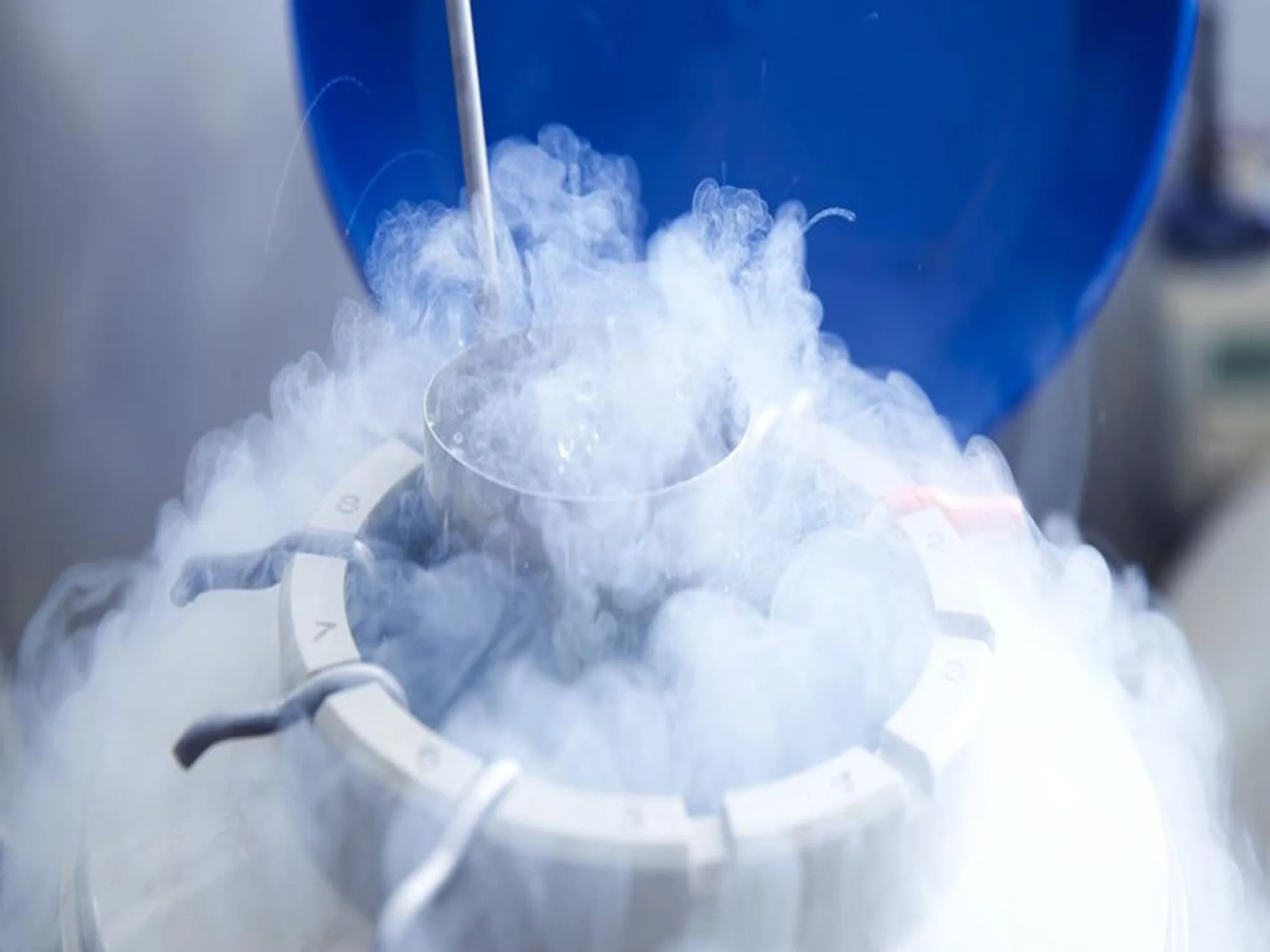
In cases of too many embryos being fertilized, some of them can be cryo persevered in any stage of division if they are good quality. The embryo is mixed with a cryo preservant that protects the embryo when frozen. The mixture is put into straws that are stored in nitroglycerin incubators at 196 degrees below zero centigrade. Thawing the embryos consist of removing the cryo preservant material after removing the straw from the nitroglycerin incubator then it is left in another special incubator ready for transfer inside the uterus. This technique is used for a woman who might be of risk of ovarian hyper stimulation, weak endometrium or a woman who will get cancer radio therapy. It can also be used for a couple who have failed cycle or successful one and want to more kids.
Dr. Ashraf Sabry, consultant in obstetrics, gynecology, fertility, and aesthetic gynecology, is recognized among the best OBGYN and fertility specialists in Cairo. With over 20 years of experience, he combines science and compassion to provide world-class care. Book your appointment now through the contact page here or Whatsapp us or call us on +201022224442
Women should begin Annual Gynecological Checkup when they become sexually active even if they are feeling well and have not noticed any problems.
Despite the warnings from all leading medical organizations, almost half of all women fail to have an Annual Gynecological Checkup Failure to receive this examination costs thousands of women their lives each year.
According to research, reasons cited by women for not having an annual gynecological exam include embarrassment, lack of money. However, the most common reason cited is the idea that an exam is not necessary unless one is experiencing some type of problem.
According to Alhayah Fertility & Women Care Dr. Ashraf Sabry, “It is sad to see that women think they don’t need to see their doctor except if they are having a problem, while it is often during a routine examination that a problem is first detected. Early stages of breast, cervical and ovarian cancer have some obvious symptoms which can show up in an annual exam. Early detection is every woman’s best defense against all types of cancer; by finding abnormalities at the onset you increase your chances of a full recovery. Don’t take a chance; see your doctor for a checkup every year– whether you feel sick or not.
How is Annual Gynecological Checkup done?
To begin, your doctor will review your medical history, sexual history, menstrual history and contraceptive history then discuss any health concerns you might have before the test. Your doctor will discuss exercise and nutrition plans with you then he will proceed by explaining how the test is performed and its benefits.
The doctor will start the test by doing a brief general physical exam where he will feel your neck (thyroid), listen to your heart and chest; take your blood pressure, pulse, temperature, height and weight. After that your doctor will ask you to leave a urine sample and then proceed with blood testing to check for anemia and cholesterol levels.
A breast exam will follow where your doctor will inspect your breasts for lumps or unusual soreness and then he will teach you how to do a monthly self breast exam yourself.
After the breast exam, the pelvic exam follows. Your doctor will examine your outer genitals for any changes or abnormalities, and he will insert a speculum into your vagina to see your cervix. Next your doctor will use a small brush to take a sample of cells from both inside and outside the cervix. The sample is called a Pap smear and it will be sent to a laboratory to be examined for any abnormal cell growth which can be caused by precancerous or cancerous cells on the cervix.
After the speculum is removed, your doctor will insert gloved fingers into your vagina and place his other hand on your abdomen, applying slight pressure. This examination is done to determine the size, shape, and position of your uterus and ovaries.
Notes
A Breast mammogram can be added to the annual test if seen beneficial by the doctor, It is an x-ray test that produces an image of the inner breast tissue on film. It shows normal and abnormal structures in the breasts.
A Bone densitometry can be added to the annual test of seen beneficial by the doctor, it is done using DEXA machines or sometimes using ultrasound measuring of the bones of the heel as a screening method.
Dr. Ashraf Sabry, consultant in obstetrics, gynecology, fertility, and aesthetic gynecology, is recognized among the best OBGYN and fertility specialists in Cairo. With over 20 years of experience, he combines science and compassion to provide world-class care. Book your appointment now through the contact page here or Whatsapp us or call us on +201022224442
It is the time when a women’s period stops. Women allover the world interpret menopause differently, their fears and concerns about menopause vary by culture. Some women fear a loss of their spouses’ sexual interest when they can no longer have children or due to increased complaints from sexual act due to vaginal soreness and dryness others worry about their mental health and fear losing control of their emotions. Too many women have been victims of cultures and societies that have not taken their symptoms seriously. Medicine has found solutions to help women passing though this interval.
Menopause happens between 45 – 55 years old. It is due to depletion of her eggs. During her reproductive life, the eggs are responsible for releasing Estrogen and other hormones which have many good effects on her body. The decreased hormones level and especially estrogen leads to Vaginal dryness and thinning of the vaginal lining which can reduce arousal during sex and increase friction which in turn may produce burning or irritation , The woman becomes more vulnerable to urinary infections , Breasts may lose some of their bulk , Skin may become a little less elastic , Hot flushes, Psychological symptoms such as mood swings and insomnia, Sweating attacks ,Heart diseases are increased due to increased LDL (Bad cholesterol) , A decrease in testosterone levels thus decreasing sex libido , loosing bone density rapidly, increasing your risk of osteoporosis and fractures , frequent and sudden urge to urinate followed by an involuntary loss of urine or the loss of urine with coughing, laughing or lifting.
However, a lot of women move through menopause with little or no symptoms.
Menopause Checkup
Menopause is confirmed by elevated FSH levels and declining estrogen levels. Regular annual checkup at the doctor is done by:
Bone densometry using DEXA machines or sometimes using ultrasound measuring of the bones of the heel as a screening method.
Breast mammogram is an x-ray test that produces an image of the inner breast tissue on film. It shows normal and abnormal structures in the breasts.
Breast self-examination on a monthly basis and regular examination by a doctor.
Blood cholesterol and lipid profile for fear of heart diseases.
Heart checkup and blood pressure.
Pap smear is a medical procedure in which a sample of cells from a woman’s cervix is collected and examined under a microscope to look for pre-malignant (before-cancer) or malignant (cancer) changes.
Possible treatments for menopause
Hormone replacement therapy consists of estrogens or a combination of estrogens and progesterone. It is used to control the symptoms of menopause but unfortunately it has side effects so the decision about hormone therapy is very individual in which the patient and doctor must take into account the inherent risks and benefits of the treatment. It is currently recommended that if hormone therapy is used, it should be used at the smallest effective dose for the shortest possible time.
Alternatives to Hormone Replacement
For hot flashes: Several drugs offer limited relief: synthetic progesterone and androgen, methyldopa.
For painful intercourse due to vaginal dryness: Applying a vaginal cream or vaginal tablets with estrogen once or twice a week can be of help.
Bone loss: Bisphosphonates, Raloxifene, Calcitonin, Vitamin D, estrogen, calcium.
Psychological Depression: Counseling and low dose anti depressants.
Lifestyle and home remedies Fortunately, many of the signs and symptoms associated with menopause are temporary. Take these steps to help reduce or prevent their effects:
Heart diseases: Stop smoking, regular aerobic exercise, and eat a diet low in saturated fats and plenty whole grains, fruits and vegetables.
Hot flashes: regular exercise, dress in layers and try to pinpoint what triggers your hot flashes. For many women, triggers may include hot beverages, spicy foods, alcohol, hot weather and even a warm room. Other options of treatment include aromatherapy, homeopathy, acupuncture, herbal medicines and massage.
Decrease vaginal discomforts: Use vaginal lubricants or moisturizers. Staying sexually active also helps. Other options include the consumption of phytoestrogens, found in soy-based foods.
Optimize your sleep. Avoid caffeine and plan to exercise during the day, learn relaxation techniques.
Urinary tract infections: Drinking plenty of fluids and urinating as frequently and completely as possible.
Strengthen your pelvic floor muscles by Kegel exercises.
Eat well: Eat a well balanced diet and increase your calcium and vitamin D intake.
Don’t smoke.
Exercise regularly.
Schedule regular checkups with your doctor.
Pros of Menopause
You no longer have to deal with monthly menstrual cycles, which are often accompanied with cramping and bloating.
You can have sex safely because you no longer worry about getting pregnant.
Relationships get stronger because women communicate more with their partner.
Reaching menopause is a sign that you are physically and emotionally mature enough to handle all the tuff stuff that life has to dish out with grace and elegance.
Dr. Ashraf Sabry, consultant in obstetrics, gynecology, fertility, and aesthetic gynecology, is recognized among the best OBGYN and fertility specialists in Cairo. With over 20 years of experience, he combines science and compassion to provide world-class care. Book your appointment now through the contact page here or Whatsapp us or call us on +201022224442
Urinary incontinence is the unintentional loss of urine. It can be Stress incontinence when the bladder can’t handle the increased compression during exercise, coughing. It can also be Urge incontinence if caused by a sudden, involuntary bladder contraction. Overflow incontinence in which the bladder becomes too full because it can’t be fully emptied, is a rarer type of the disorder.
What are causes of UI?
Women are most likely to develop incontinence either during pregnancy and childbirth, or after the hormonal changes of menopause, because of weakened pelvic muscles. Pelvic trauma, spinal cord damage, caffeine, or medications, including cold preparations and diet drugs that are available over-the-counter, can also cause episodes of UI. Diseases which affect the nerves that control the bladder, such as multiple sclerosis, can be associated with UI.
Other factors that contribute to bladder incontinence include decreased mobility or impaired thinking (such as forgetfulness, confusion, or senility), particularly in combination with drugs such as sedatives, sleeping pills, and alcohol.
What treatments are recommended for UI?
Treatment for UI depends on the type of incontinence, its causes, and the capabilities of the patient. Here are commonly recommended treatments:
Pelvic muscle rehabilitation – to improve pelvic muscle tone and prevent leakage by :
Regular pelvic Kegel exercises.
Biofeedback in conjugation with Kegel exercises help people in awareness and control of their pelvic muscles.
Pelvic floor electrical stimulation. Mild electrical pulses stimulate muscle contractions. Should be done in conjunction with Kegel exercises.
Behavioral therapies – to help people regain control of their bladder.
Bladder training teaches people to resist the urge to void
Toileting assistance uses routine or scheduled toileting, habit training schedules, and prompted voiding to empty the bladder regularly to prevent leaking.
Pharmacologic therapies – to improve incontinence medically.
Surgical therapies – to treat specific anatomical problems.
Sling procedures, bulking injections (such as collagen) and other surgical procedures support or move the bladder to improve continence.
Pelvic organ prolapse is the descend into or outside of the vaginal canal or anus of any of the pelvic floor organs. You may hear them referred to in these ways:
Cystocele: A prolapse of the bladder into the vagina, is the most common condition
Urethrocele: A prolapse of the urethra (urine-carrying tube)
Uterine prolapse
Vaginal vault prolapse: prolapse of the vagina
Enterocele: Small bowel prolapse
Rectocele: Rectum prolapse
What Causes genital prolapse?
Anything that increases pressure in the abdomen can lead to prolapse. Common causes include: Pregnancy, labor, Obesity, chronic cough and constipation.
What are the symptoms?
Some women notice nothing at all, but others report these symptoms:
A feeling of pressure or fullness in the pelvic area
A backache low in the back if it is the uterus
Painful intercourse due to drop of rectum or uterus
A feeling that something is falling out of the vagina if it the uterus
Urinary problems such as leaking of urine if it is the bladder
Constipation if it is the rectum.
How can genital prolapse be prevented?
Do Kegel exercises daily to maintain good muscle strength in your pelvic area
Maintain a healthy weight
Avoid constipation
Do not smoke
How is genital prolapse treated?
Treatment depends on how severe the symptoms are. Treatment can include:
Behavioral treatments, such as doing Kegel exercises designed to strengthen the pelvic floor muscles.
Mechanical treatments, such as inserting a small plastic pessary into the vagina to provide support for the drooping organs.
Surgical treatment, either to repair the affected tissue or organ or to remove the organ (such as removal of the uterus by hysterectomy).
Dr. Ashraf Sabry, consultant in obstetrics, gynecology, fertility, and aesthetic gynecology, is recognized among the best OBGYN and fertility specialists in Cairo. With over 20 years of experience, he combines science and compassion to provide world-class care. Book your appointment now through the contact page here or Whatsapp us or call us on +201022224442
Pelvic pain is a common complaint among women. It is categorized as either acute (sudden and severe), or chronic (lasting over a period of months or longer). Pelvic pain may originate in genital or extra genital organs in and around the pelvis, or it may be psychological (pain sensation and no physical problem is present).
What causes pelvic pain?
Pelvic pain may have multiple causes, including:
inflammation or direct irritation of nerves caused by acute or chronic trauma, fibrosis, pressure, or intraperitoneal inflammation
muscular contractions or cramps of both smooth and skeletal muscles
psychogenic factors, which can cause or aggravate pain
causes of acute pelvic pain may include: Ectopic pregnancy, pelvic inflammatory disease, twisted or ruptured ovarian cyst, miscarriage or threatened miscarriage, urinary tract infection, appendicitis, ruptured fallopian tube
causes of chronic pelvic pain may include: Menstrual cramps, endometriosis, uterine fibroids, adhesions or scar tissue between the internal organs in the pelvic cavity, endometrial polyps and cancers of the reproductive tract
How is pelvic pain diagnosed?
Diagnosis includes a good medical history (which includes the character of the pain) and physical exam. In addition some diagnostic procedures may include the following: Blood tests, pregnancy test, urinalysis, culture of cells from the cervix. Non invasive imaging techniques like an ultrasound, MRI. Laparoscopy to see the whole pelvic area. X-ray to produce images of bones and internal organs.
How to treat pelvic pain?
Specific treatment will be determined based on your age, overall health, and medical history, cause of the disease, type and severity of the symptoms and your tolerance for specific medications. Generally treatment usually includes antibiotics, anti inflammatory and pain medication. In cases of severe infection, hospitalization may be required to administer intravenous antibiotics. Occasionally, surgery is necessary. If a physical cause cannot be found, psychotherapy is recommended. Relaxation exercises or physical therapy is always recommended.
Dr. Ashraf Sabry, consultant in obstetrics, gynecology, fertility, and aesthetic gynecology, is recognized among the best OBGYN and fertility specialists in Cairo. With over 20 years of experience, he combines science and compassion to provide world-class care. Book your appointment now through the contact page here or Whatsapp us or call us on +201022224442
Abnormal vaginal bleeding is a flow of blood from the vagina that occurs either at the wrong time or in inappropriate amounts. Normal ovulation is necessary for regular menstrual periods.
What conditions cause abnormal vaginal bleeding in women who are ovulating regularly?
Excessively heavy menstrual period
Non-cancerous causes: uterine fibroids or polyps, intrauterine devices, blood clotting disorders and certain medications, especially those that interfere with blood clotting.
Cancerous Causes: It can be a sign of endometrial cancer or the precancerous endometrial hyperplasia (thickened endometrial lining), it is more common above the age of 40.
Menstrual periods that is too frequent
Pelvic inflammatory disease or Endometriosis. Sometimes, the cause is unclear and the woman is said to have dysfunctional uterine bleeding.
Menstrual periods at irregular intervals
benign growths in the cervix, such as cervical polyps, infections of the uterus and use of birth control pills. Perimenopause (the time period approaching the menopausal transition) is often characterized by irregular menstrual cycles
Spotting between menstrual periods
Women who are ovulating normally can experience spotting between menstrual periods. Hormonal birth control methods as well as IUD may sometimes lead to spotting between periods.
Psychological stress, certain medications such as anticoagulant drugs, and fluctuations in hormone levels may all be causes of light bleeding between periods.
What conditions cause abnormal vaginal bleeding in women who are NOT ovulating?
Anything interfering with normal ovulation can cause abnormal vaginal bleeding, examples are chronic medical illness or severe medical or emotional stress, malfunction of a part of the brain-hypothalamus, Anorexia nervosa(an eating disorder associated with excessive thinness) or Polycystic ovarian syndrome(hormonal problem) may cause anovulation and irregular periods.
What conditions cause abnormal vaginal bleeding after menopause?
Any vaginal bleeding is considered abnormal and doctor’s consultation should be immediate to rule out the serious causes like endometrial cancer or the precancerous endometrial hyperplasia (thickening of the uterine lining).
What causes vaginal bleeding during or after sexual intercourse?
Injuries to the vaginal wall or vaginal opening during intercourse. Infections or Lowered estrogen levels in peri-menopausal or postmenopausal women may cause the lining of the vagina to become thinned and easily inflamed or infected. Anatomical lesions, such as tumors or polyps on the cervix or vaginal wall may lead to vaginal bleeding during or after intercourse.
What diagnostic tests are used to evaluate abnormal vaginal bleeding?
Diagnosis includes a medical history and physical exam. During the pelvic examination, the physician attempts to detect cervical polyps or any unusual masses in the uterus or ovaries. In addition some diagnostic procedures may include the following: Tests should be performed to know the hormonal status of the woman, pregnancy test as routine if the woman is pre menopausal. Pap test to rule out cervical cancer, culture of cervical and vaginal discharges to rule out infections. Blood tests to evaluate thyroid function, liver function, or kidney function abnormalities. A pelvic ultrasound is also performed. An endometrial biopsy is also beneficial.
How is abnormal vaginal bleeding treated?
Treatment for irregular vaginal bleeding depends on the underlying cause.
If the cause of the bleeding is lack of ovulation, doctors may prescribe either progesterone to be taken at regular intervals, or an oral contraceptive, which contains progesterone, to achieve a proper hormonal balance
If the cause of irregular vaginal bleeding is a precancerous change in the lining of the uterus, progesterone medications may be prescribed to reduce the buildup of precancerous uterine lining tissues in an attempt to avoid surgery.
When a woman has been without menses for less than six months and is bleeding irregularly, the cause may be menopausal transition. During this transition, a woman is sometimes offered an oral contraceptive to establish a more regular bleeding pattern, to provide contraception until she completes menopause, and to relieve hot flashes.
Benign growths are removed surgically to control bleeding.
If the cause of bleeding is infection, antibiotics are necessary.
If bleeding is excessive and cannot be controlled by medication, a surgical procedure called dilation and curettage (D&C) may be necessary.
Occasionally, a hysterectomy is necessary when hormonal medications cannot control excessive bleeding. However, unless the cause is pre-cancerous or cancerous, this surgery should only be an option after other solutions have been tried.
Dr. Ashraf Sabry, consultant in obstetrics, gynecology, fertility, and aesthetic gynecology, is recognized among the best OBGYN and fertility specialists in Cairo. With over 20 years of experience, he combines science and compassion to provide world-class care. Book your appointment now through the contact page here or Whatsapp us or call us on +201022224442
PID can affect the uterus, fallopian tubes, and/or the ovaries. It can lead to pelvic adhesions and scar tissue that develops between internal organs, causing ongoing pelvic pain and the possibility of an ectopic pregnancy. Left untreated, infertility can develop and might also lead to chronic infection. In addition, if PID is not diagnosed early enough, peritonitis and inflammation of the walls of the abdominal and pelvic cavity may develop.
What are the most common risk factors for pelvic inflammatory disease?
Although women of any age can develop PID, sexually active women between the ages of 20 and 31 are at the greatest risk of acquiring the disease through sexually transmitted bacteria.
Women who use intrauterine devices (IUDs) are also at an increased risk.
What are the symptoms of PID?
The symptoms may resemble other conditions or medical problems. Consult your physician for diagnosis. The following are the most common symptoms diffuse pain and tenderness in the lower abdomen, pelvic pain, increased foul-smelling vaginal discharge, fever and chills, vomiting and nausea and pain during sexual intercourse.
How is PID diagnosed?
Diagnosis includes a medical history and physical exam.
In addition some diagnostic procedures may include the following:
microscopic examination of samples from the vagina and cervix
Pap test that involves microscopic examination of cells collected from the cervix
ultrasound
Laparoscopy . Using the laparoscope to see into the pelvic area, the physician can determine the locations, extent, and size of the endometrial growths.
Culdocentesis – a procedure in which a needle is inserted into the pelvic cavity through the vaginal wall to obtain a sample of pus.
How to treat PID?
Specific treatment will be determined based on your age, overall health, and medical history, cause of the disease, type and severity of the symptoms and your tolerance for specific medications. Generally treatment usually includes oral antibiotics. In cases of severe infection, hospitalization may be required to administer intravenous antibiotics. Occasionally, surgery is necessary.
Dr. Ashraf Sabry, consultant in obstetrics, gynecology, fertility, and aesthetic gynecology, is recognized among the best OBGYN and fertility specialists in Cairo. With over 20 years of experience, he combines science and compassion to provide world-class care. Book your appointment now through the contact page here or Whatsapp us or call us on +201022224442
Vaginitis refers to any inflammation or infection of the vagina. This is a common gynecological problem found in women of all ages.
What are the most common types of Vaginitis?
Yeast infection by a species of Candida fungus or Bacterial vaginosis, both normally living in vagina. Something happens that upset the balance leading to overgrowth of Candida or bacterial vaginosis and infection occurs.
Vaginitis by the parasite Trichomoniasis vaginalis, Chlamydia Vaginitis by the bacteria Chlamydia trachomatis, Gonococcal Vaginitis by the bacterium Neisseria gonorrhea and viral Vaginitis by Herpes simples and human papiloma virus. All are sexually transmitted diseases
Vaginitis irritation by an allergic reaction to, or irritation from vaginal sprays, douches, or spermicidal products, perfumed soaps, detergents, or fabric softeners
The other type of “atrophic Vaginitis,” usually results from a decrease in hormones because of menopause, surgical removal of the ovaries, radiation therapy, or even after childbirth particularly in breastfeeding women. Lack of estrogen dries and thins the vaginal tissue, and may also cause spotting.
What are the most common risk factors for Vaginitis?
It is common in pregnant woman .It is also common in women who have un-controlled diabetes , using an immunosuppressant medication , using high-estrogen contraceptives , thyroid or endocrine disorder , an antibiotic course or women who are undergoing corticosteroid therapy, which slows the immune system
What are the symptoms of Vaginitis?
The symptoms may resemble other conditions or medical problems. Consult your physician for diagnosis.
For Candida the most common symptoms may include a thick, white, cottage cheese-like vaginal discharge, watery and usually odorless , itchiness and redness of the vulva and vagina
For bacterial vaginosis the most common symptoms may include a milky, thin discharge at times, or a heavy, gray discharge, “fishy” odor.
For Trichomoniasis the most common symptoms may include a frothy musty-smelling, greenish-yellow discharge, itching in and around the vagina and vulva, burning during urination, discomfort in the lower abdomen, and pain during intercourse, some women are asymptomatic.
For Chlamydia the most common symptoms may include increased vaginal discharge, light bleeding, especially after intercourse, pain in the lower abdomen or pelvis, burning during urination, pus in the urine, redness and swelling of the urethra and labia, some women are asymptomatic.
For Gonococcal infection the most common Symptoms may include: yellowish or bloody vaginal discharge, painful or burning urination, vaginal bleeding during intercourse and lower abdominal pain during intercourse.
For noninfectious Vaginitis the most common symptoms may include vaginal itching, vaginal burning, vaginal discharge, pelvic pain (particularly during intercourse).
For viral herpes the most common symptoms may include pain in the genital area associated with lesions and sores visible on the vulva, or vagina, but occasionally are inside the vagina and can only be found during a pelvic examination, for viral human papillomavirus (HPV) the most common symptoms may include painful warts to grow on the vagina, rectum, vulva, or groin. However, visible warts are not always present, in which case, the virus is generally detected by a Pap test.
How is a Vaginitis diagnosed?
In addition to a complete medical history and physical and pelvic examination, diagnostic procedures often include a microscopic examination of the vaginal discharge.
How to treat Vaginitis?
Specific treatment will be determined based on your age, overall health, and medical history, cause of the disease, type and severity of the symptoms and your tolerance for specific medications. Generally treatment may include:
For Candida: anti-fungal, vaginal creams and suppositories, antibiotics
For Bacterial vaginosis: oral antibiotics. It is important that pregnant women receive prompt treatment as bacterial vaginosis can cause complications during pregnancy
For Trichomoniasis both partners must be treated by taking oral antibiotics. It is important for pregnant women to receive prompt treatment as Trichomoniasis can cause complications during pregnancy.
For Chlamydia: oral antibiotics. It is especially important for pregnant women infected with Chlamydia to be treated, as the consequences for a newborn that has passed through the birth canal of an infected mother are quite serious.
For Gonococcal Vaginitis if left untreated, Gonococcal infections can lead to serious conditions such as pelvic inflammatory disease increasing risk of infertility, pelvic adhesions, chronic pelvic pain, and ectopic (tubal) pregnancy. Because of these risks, early treatment of the infection with antibiotics is essential.
Treatment for noninfectious Vaginitis generally includes estrogen creams or oral tablets, which can restore lubrication and decrease soreness and irritation.
Dr. Ashraf Sabry, consultant in obstetrics, gynecology, fertility, and aesthetic gynecology, is recognized among the best OBGYN and fertility specialists in Cairo. With over 20 years of experience, he combines science and compassion to provide world-class care. Book your appointment now through the contact page here or Whatsapp us or call us on +201022224442
Cervicitis is an irritation of the cervix caused by a number of different organisms.
What are the most common risk factors for Vulvitis?
Chronic Cervicitis is common in women following childbirth. It is also often associated with pregnancy, probably due to an increased blood supply to the cervix as a result of increased hormone levels. Less commonly, Cervicitis is caused by sensitivities to certain chemicals, including those in spermicidal, latex, and tampons.
What are the symptoms of Cervicitis?
The symptoms may resemble other conditions or medical problems. Consult your physician for diagnosis. The following are the most common symptoms pelvic pain, backache, urinary problems, pus-like discharge, as the cervical erosion worsens cervical ulceration may develop.
How is Cervicitis diagnosed?
Diagnosis includes a medical history and physical exam. In addition some diagnostic procedures may include the following: Pap test, biopsy, culture of cervical discharge
How to treat Cervicitis?
Specific treatment will be determined based on your age, overall health, and medical history, cause of the disease, type and severity of the symptoms and your tolerance for specific medications. Generally treatment may include: antibiotics, silver nitrate to destroy damaged cells in cervical erosion, cryosurgery – a probe that is very cold, to freeze and kill abnormal cells.
Dr. Ashraf Sabry, consultant in obstetrics, gynecology, fertility, and aesthetic gynecology, is recognized among the best OBGYN and fertility specialists in Cairo. With over 20 years of experience, he combines science and compassion to provide world-class care. Book your appointment now through the contact page here or Whatsapp us or call us on +201022224442
Vulvitis is inflammation of the vulva, the soft folds of skin outside the vagina.
What are the most common risk factors for Vulvitis?
Any woman with certain allergies, sensitivities, infections, or diseases can develop Vulvitis. Girls who have not yet reached puberty and postmenopausal women sometimes develop Vulvitis, possibly because of inadequate levels of estrogen. It may be caused by certain toilet papers, perfumed soaps and shampoos, certain laundry detergents, certain douches and powders, swimming pool water or wearing a wet bathing suit for a long time, certain synthetic undergarments.
What are the symptoms of Vulvitis?
The symptoms may resemble other conditions or medical problems. Consult your physician for diagnosis. The following are the most common symptoms, redness and swelling on the labia and other parts of the vulva.
How is Vulvitis diagnosed?
Diagnosis includes a medical history and physical exam. In addition some diagnostic procedures may include the following: blood tests, urinalysis, and tests for sexually transmitted diseases (STDs), Pap smear.
How to treat Vulvitis?
Specific treatment will be determined based on your age, overall health, and medical history, cause of the disease, type and severity of the symptoms and your tolerance for specific medications.
Dr. Ashraf Sabry, consultant in obstetrics, gynecology, fertility, and aesthetic gynecology, is recognized among the best OBGYN and fertility specialists in Cairo. With over 20 years of experience, he combines science and compassion to provide world-class care. Book your appointment now through the contact page here or Whatsapp us or call us on +201022224442
The vulva is the external portion of the female genital organs. Vulval Cancer is a rare disease that can occur on any part of the external organs, but most often affects the labia majora or labia minora.
What are the most common risk factors for uterine cancer?
Vulvar cancer is common over the age of 50. It can result from chronic Vulvar inflammation, infection with the human papillomavirus (HPV), lichen sclerosis, melanoma or atypical moles on non-Vulvar skin and Vulvar intraepithelial neoplasia (VIN). It is also common among smokers.
What are the symptoms of Vulvar cancer?
The symptoms may resemble other conditions or medical problems. Consult your physician for diagnosis. The following are the most common symptoms, constant itching or pain, changes in the color and the way the vulva looks, bleeding or discharge not related to menstruation
How can Vulvar cancer be prevented?
The cause of Vulvar cancer is not currently known, however, Suggestions for prevention include: Delay onset of sexual activity. Use condoms. , Do not smoke. , Have regular physical checkups. , Have routine Pap tests and pelvic examinations. , Routinely check entire body for irregular growth of moles.
How is Vulvar cancer diagnosed?
Vulvar cancer is diagnosed by biopsy, removing a section of tissue for examination in a laboratory by a pathologist.
How to treat Vulvar cancer?
The treatment depends upon whether the cancer has spread to involve other tissues in the pelvis or not. It also depends on the general health of the patient and permission for operations.
Generally treatment for patients with cancer of the vulva may include surgery :
laser surgery to destroy abnormal cells
Excision of the cancer cells and a margin of normal appearing skin around it.
vulvectomy – surgical removal of part of all of the tissues of the Vulvar
Dr. Ashraf Sabry, consultant in obstetrics, gynecology, fertility, and aesthetic gynecology, is recognized among the best OBGYN and fertility specialists in Cairo. With over 20 years of experience, he combines science and compassion to provide world-class care. Book your appointment now through the contact page here or Whatsapp us or call us on +201022224442
The vagina is the birth canal. Vaginal Cancer is a very rare kind of cancer in women.
What are the most common risk factors for uterine cancer?
Half of women affected are older than 60, with most between ages 50 and 70. A history of exposure to diethylstilbestrol (DES) as a fetus or cervical cancer or precancerous conditions
or uterine prolapse is a risk factor. Infection with human papillomavirus (HPV) infection has been associated with vaginal cancer. Problems like vaginal adenosis or vaginal irritation raises vaginal cancer risks.
What are the symptoms of vaginal cancer?
The symptoms may resemble other conditions or medical problems so consult your physician for diagnosis. The following are the most common symptoms, bloody discharge and bleeding during sexual intercourse or bleeding from the vagina after the menopause.
How is vaginal cancer diagnosed?
Vaginal cancer can be detected visually, using a magnifying instrument called a colposcope.
A biopsy is always necessary to confirm the diagnosis, and then further tests such as scans can also be used to determine the extent to which the cancer has already spread.
How can vaginal cancer be prevented?
Avoid being infected with HPV, a sexually transmitted virus.
Sexual partner should always wear a condom correctly during intercourse. Recent research shows that condoms provide some protection against HPV.
Limit the amount of sexual partners.
Pap smear may also be able to detect some cases of vaginal cancer before symptoms are experienced so attend regular gynecological checkups and Pap smear.
How to treat vaginal cancer?
The treatment depends upon whether the cancer has spread to involve other tissues in the pelvis or not. It also depends on the general health of the patient and permission for operations.
surgery, including:
laser surgery to remove the cancer, including LEEP (loop electro excision procedure)
local excision to remove the cancer
(partial) vaginectomy to remove the vagina
Chemotherapy – the use of anticancer drugs to treat cancerous cells.
Radiotherapy is aimed at destroying tumor cells that the gynecologist cannot see.
Dr. Ashraf Sabry, consultant in obstetrics, gynecology, fertility, and aesthetic gynecology, is recognized among the best OBGYN and fertility specialists in Cairo. With over 20 years of experience, he combines science and compassion to provide world-class care. Book your appointment now through the contact page here or Whatsapp us or call us on +201022224442
The uterus is a hollow pear-shaped organ in the woman’s lower abdomen. Cancer of the uterus is the most common cancer of the female reproductive tract. Cancer of the uterus is not common during the child bearing period. It usually occurs around the time of menopause. Because it grows slowly and women are alerted abnormal bleeding from the vagina, most cancers are detected and treated at an early stage and cure rates following surgery are very high.
What are the most common risk factors for uterine cancer?
Uterine cancer is common around the age of 50 or over. A history of endometrial hyperplasia (thickened uterine inner lining) is a risk factor. Medical problems like being overweight or being diabetic or hypertensive can result in uterine cancer. History of other cancers or taking tamoxifen for breast cancer treatment or prevention or taking estrogen replacement therapy without progesterone (ERT) is a risk factor.
What are the symptoms of cancer of the uterus?
The symptoms may resemble other conditions or medical problems so consult your physician for diagnosis. Symptoms will vary according to whether or not the woman is still having periods. If she is still having periods then the cancer may make her periods more irregular or heavier. If her periods have stopped, then any bleeding from the vagina is abnormal and should be investigated.
How is cancer of the uterus diagnosed?
Diagnosis includes a medical history and physical exam, including a pelvic exam to feel the vagina, rectum, and lower abdomen for masses or growths. The only certain means of diagnosis is a biopsy by dilation and curettage or hysteroscopy. Ultrasound examination is a very useful tool since it enables a doctor to identify uterine cancer and certain features that might make him or her suspect a cancer.
How can uterine cancer be prevented?
Use birth control pills.
Maintain a healthy weight and participate in physical activity.
Ask your doctor if he/she can prescribe you progesterone.
Talk with your doctor about how often you should be screened for uterine cancer especially if you have factors that increase your risk of getting the cancer.
See your doctor right away if you have abnormal bleeding from the vagina.
How is cancer of the uterus treated?
The treatment depends upon whether the cancer has spread to involve other tissues in the pelvis or not. It also depends on the general health of the patient and permission for operations.
surgery, including:
Hysterectomy – surgical removal of the uterus, usually with removal of the tubes and ovaries. The five-year survival rates following surgery are over 70 per cent.
Chemotherapy – the use of anticancer drugs to treat cancerous cells.
Radiotherapy is aimed at destroying tumor cells that the gynecologist cannot see.
Dr. Ashraf Sabry, consultant in obstetrics, gynecology, fertility, and aesthetic gynecology, is recognized among the best OBGYN and fertility specialists in Cairo. With over 20 years of experience, he combines science and compassion to provide world-class care. Book your appointment now through the contact page here or Whatsapp us or call us on +201022224442
The ovaries are 2 female reproductive organs located in the pelvis, one on each side of the uterus. They produce eggs and the female hormones which control the development of female body characteristics and regulate the menstrual cycle and pregnancy. Ovarian cancer is a disease of unknown cause.
What are the most common risk factors for ovarian cancer?
Ovarian cancer is most common in menopausal women (over 50 years of age). Rarely, ovarian cancer can run in families. Sometimes infertility or having a first child after the age of 30 is a risk factor .Also personal history of breast or colon cancer is a risk factor.
What are the symptoms of ovarian cancer?
The symptoms may resemble other conditions or medical problems so consult your physician for diagnosis. The following are the most common symptoms of ovarian cancer: general discomfort in the lower abdomen, weight loss, diarrhea or constipation, or frequent urination, bleeding from the vagina or build up of fluid around the lungs, which may cause shortness of breath.
How is ovarian cancer diagnosed?
Ovarian cancer may be discovered by chance during a routine gynecological examination or it may be discovered because the tumor has grown so large that you can feel it, or because it is pressing on the bladder or intestines.
Diagnosis includes a medical history and physical exam, including a pelvic exam to feel the vagina, rectum, and lower abdomen for masses or growths. The only certain means of diagnosis are either an operation or a biopsy. Ultrasound examination is a very useful tool since it enables a doctor to identify an ovarian tumor and certain features that might make him or her suspect a cancer.
How can ovarian cancer be prevented?
healthy diet (high in fruits, vegetables, grains, and low in saturated fat)
birth control pills
pregnancy and breast feeding
How to treat ovarian cancer?
The treatment depends upon whether the cancer has spread to involve other tissues in the pelvis or not. It also depends on the general health of the patient and permission for operations.
– surgery, including:
Surgery to remove the uterus, both Fallopian tubes and ovaries.
Pelvic lymph node dissection – removal of some lymph nodes from the pelvis.
Chemotherapy – the use of anticancer drugs to treat cancerous cells.
Radiotherapy is aimed at destroying tumor cells that the gynecologist cannot see.
Dr. Ashraf Sabry, consultant in obstetrics, gynecology, fertility, and aesthetic gynecology, is recognized among the best OBGYN and fertility specialists in Cairo. With over 20 years of experience, he combines science and compassion to provide world-class care. Book your appointment now through the contact page here or Whatsapp us or call us on +201022224442
The cervix is the lower part of the uterus and acts as a gate to the uterus.
What are the most common risk factors for cervical cancer?
Cervical cancer is commonest among the over 50s but it can affect all age groups. A viral infection of the cervix is present in most cases (especially Human papiloma virus). Smoking appears to increase a woman’s risk of developing cervical cancer, and there may also be a link to the numbers of sexual partners a woman has had at a young age.
What are the symptoms of cervical cancer?
The symptoms may resemble other conditions or medical problems so consult your physician for diagnosis. Symptoms of cervical cancer usually do not appear until abnormal cervical cells become cancerous and invade nearby tissue. While sometimes no symptoms are seen, most cause the woman to experience bleeding between her periods or after sex.
How is cervical cancer diagnosed?
Cervical cancer can only be diagnosed through a biopsy of the cervix which is obtained by loop electrosurgical excision, colposcopy or cone biopsy.
How can cervical cancer be prevented?
Routine, annual pelvic examinations and Pap tests can detect precancerous conditions that often can be treated before cancer develops. Invasive cancer that does occur wouldlikely be found at an earlier stage. Follow up on abnormal Pap smears is equally important.
Limit the amount of sexual partners you have.
Quit smoking
Get the HPV vaccine. The vaccine is most effective when given to young women before they become sexually active.
How is cervical cancer treated?
The treatment depends upon whether the cancer has spread to involve other tissues in the pelvis or not. It also depends on the general health of the patient and permission for operations.
– surgery, including:
Cryosurgery – using a very cold probe to freeze and kill cancer cells.
Laser surgery – use of a powerful beam of light to destroy abnormal cells.
LEEP (loop electro excision procedure)
Hysterectomy – surgery to remove the uterus, including the cervix.
Radiotherapy is aimed at destroying tumor cells that the gynecologist cannot see.
Chemotherapy – the use of anticancer drugs to treat cancerous cells.
Dr. Ashraf Sabry, consultant in obstetrics, gynecology, fertility, and aesthetic gynecology, is recognized among the best OBGYN and fertility specialists in Cairo. With over 20 years of experience, he combines science and compassion to provide world-class care. Book your appointment now through the contact page here or Whatsapp us or call us on +201022224442
Dr. Ashraf Sabry provides advanced gynecology services in Cairo with over 20 years of expertise in women’s health and fertility. He offers accurate diagnosis, compassionate care, and step-by-step treatment plans designed to improve comfort, wellbeing, and confidence at every life stage.
How We Diagnose and Plan Treatment
Step 1: Comprehensive history review covering symptoms, medications, and previous procedures.
Step 2: Clinical examination and ultrasound to assess uterus, ovaries, and endometrial health.
Step 3: Laboratory tests for hormones, infections, and Pap smear as required.
Step 4: Gradual treatment plan starting with medical therapy and lifestyle correction, progressing to surgical options if needed.
Our Gynecology Services
Gynecology care covers a wide range of essential women’s health services. These include menstrual cycle regulation, hormonal balance, pelvic pain management, menopause support, infection treatment, and cancer screening. Each patient receives personalized evaluation to ensure precise and effective care.
Puberty is a significant time of change and development. We offer guidance and education to help young women understand their bodies and navigate this crucial phase with confidence. Our services include menstrual health education, hormonal balance management, and personalized consultations for young women and their families.
Annual well women checkup including general health checkup , pap smear and dealing with its abnormality , pelvic exam , breast exam.
Menstrual care: Diagnosis and treatment of irregular bleeding and hormonal imbalance.
Infection treatment: Accurate diagnosis and management of vaginal infections.
Pelvic pain management: Evaluation for endometriosis or fibroids using ultrasound and lab tests.
Performing all major gynecological operations needed like hysterectomy, myomectomy, urinary incontinence and genital prolapse.
Menopause is a natural transition that brings both challenges and opportunities for renewal. We provide expert care to help you manage symptoms and maintain your quality of life. Our menopause services include hormone replacement therapy (HRT), management of menopausal symptoms, bone health and osteoporosis prevention, and sexual health and wellness.
Contraceptive counseling: Safe birth control options tailored to your health and lifestyle.
HPV vaccination: Protection against cervical cancer through preventive immunization.
International Guidelines We Follow
Our gynecology protocols align with global best practices to ensure safe, evidence-based care. For further reading, see:
Read patient experiences on Google Maps, Vezeeta, and WhatClinic to learn how Dr. Ashraf Sabry’s approach has helped countless women restore their comfort and health.
Why choose Dr. Ashraf Sabry?
Dr. Ashraf Sabry, Fertility & OBGYN Consultant and Aesthetic Gynecology Surgeon, is the best doctor for Gynecology Services with more than 20 years of experience. Based in Giza & Cairo, Egypt, he combines precision diagnostics with global best practices in women’s health.
Dr. Ashraf Sabry offers comprehensive prenatal care in Cairo to ensure the safety, comfort, and wellbeing of both mother and baby. With over 20 years of experience in obstetrics and fertility, his care combines medical precision with personalized attention throughout every stage of pregnancy.
What is Prenatal Care?
Prenatal care is a structured medical program that monitors the health of the mother and the baby during pregnancy. Through regular checkups, ultrasound scans, and laboratory testing, it helps identify and prevent complications early. Therefore, it supports a smooth and healthy pregnancy until delivery.
Pregnancy is a time of joy, anticipation, and sometimes uncertainty. Our goal is to ensure you have a healthy and positive experience. We provide routine and high-risk pregnancy care, prenatal testing and ultrasound, labor and delivery support, and postpartum care and recovery.
What are our prenatal care and delivery services?
Follow Up with normal pregnancy
Follow Up and dealing with high risk pregnancy ( the one which problems to the mother or fetus develops or known beforehand to develop)
Providing information about nutrition and exercise
Fetal growth and anomaly check-up and general wellbeing
Fetal genetic study either by invasive cell study through amniocentesis or chorionic villus sampling ( cells from placenta) or by studying mother blood for fetal DNA
Cervical length study to avoid miscarriage or premature labor due to weakness or short cervix
Birth preparation: Emotional and medical guidance to prepare you for a confident, safe delivery.
Painless delivery
Dealing with recurrent abortion
When Should Prenatal Care Begin?
Ideally, prenatal care should start as soon as pregnancy is confirmed. Early visits allow the doctor to estimate due dates accurately, monitor hormonal changes, and prevent potential complications. Regular visits are essential every month, and more frequently during the final trimester.
Benefits of Regular Prenatal Care
Early detection and management of pregnancy risks.
Improved health outcomes for both mother and baby.
Enhanced comfort and confidence through every trimester.
Guidance on labor, delivery, and postpartum recovery.
Psychological and emotional support during the entire journey.
International Guidelines We Follow
Our prenatal and obstetric care protocols follow trusted international standards that ensure the safety of both mother and baby throughout pregnancy and delivery. For further reference, explore:
Read verified patient experiences and ratings on Google Maps, Vezeeta, and WhatClinic. Their stories reflect the trust, care, and medical excellence of Dr. Ashraf Sabry’s clinic.
Why choose Dr. Ashraf Sabry?
Dr. Ashraf Sabry, Fertility & OBGYN Consultant and Aesthetic Gynecology Surgeon, is the best doctor in Prenatal Care thanks to 20+ years of experience and strict adherence to the latest guidelines. Based in Giza & Cairo, Egypt. Book your appointment now through the contact page here or Whatsapp us or call us on +201022224442